Veterans Urge Clemency for Reaves
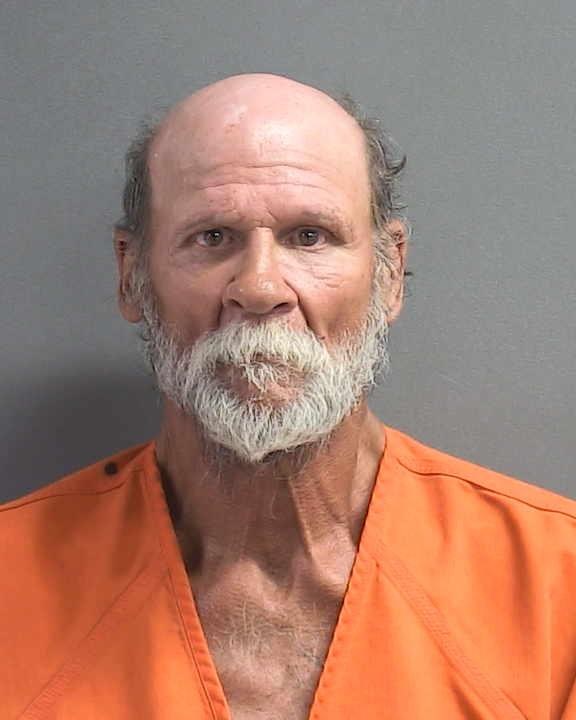
PHOTO CAPTION: William Reaves, 77, a Vietnam War veteran convicted of murdering Florida sheriff's deputy Richard Raczkoski in 1986, is scheduled for execution on October 20, 2026. One hundred military veterans have appealed to Gov. Ron DeSantis for clemency, citing evidence of service-connected PTSD. (Florida Department of Corrections)
One hundred military veterans have appealed to Florida Gov. Ron DeSantis to stop the execution of a decorated Vietnam War veteran convicted of murdering a sheriff's deputy nearly 40 years ago, arguing that his sentencing jury never heard critical medical evidence about his combat-related post-traumatic stress disorder.
William Reaves, 77, is scheduled to be executed by lethal injection at 6 p.m. Tuesday at Florida State Prison near Starke.
Reaves was convicted of first-degree murder in the September 23, 1986, shooting death of Indian River County Sheriff's Deputy Richard Raczkoski, who was 29 years old.
The veterans' October 19 letter asks DeSantis to commute Reaves' death sentence, citing his military service and the lasting psychological effects of combat.
Veterans Appeal to DeSantis
The letter was signed by 100 veterans representing multiple branches of the U.S. military.
Its authors argue that Reaves returned from Vietnam with serious psychological injuries that were not adequately recognized or treated, and that the jury responsible for recommending his death sentence did not receive the full evidence about those injuries.
Reaves served in the Army's 4th Infantry Division during the Vietnam War and received the Combat Infantryman Badge and Air Medal. He was honorably discharged.
Years after his conviction, the Department of Veterans Affairs determined that he was 100% disabled due to PTSD connected to his military service.
The veterans maintain that the diagnosis and additional medical evidence should have been considered when determining whether Reaves deserved a death sentence.
Their appeal is directed partly at DeSantis' own military background. The governor served as a Navy judge advocate before entering politics.
Deputy Shot While Attempting to Escape
The crime occurred during the early morning hours of September 23, 1986, outside a convenience store near Vero Beach.
According to Florida Supreme Court records, Deputy Raczkoski responded to a 911 call that Reaves had made from a pay phone.
Reaves said he needed assistance arranging transportation because he lacked money for a taxi.
During the encounter, a handgun fell from Reaves' clothing. A struggle followed, and Reaves regained control of the weapon.
According to the court's account, the deputy backed away and attempted to flee. Reaves fired the gun, striking Raczkoski four times in the back.
The deputy died from his injuries later that morning.
Raczkoski had served in law enforcement since 1979. He was posthumously awarded a Medal of Valor in 1987.
Reaves was convicted of first-degree murder and originally sentenced to death in 1987. That conviction was overturned because of a prosecutor's conflict of interest.
A second jury convicted Reaves in 1992 and recommended execution by a 10-2 vote. The trial judge again imposed a death sentence.
PTSD Evidence Became Central to His Appeals
Reaves' attorneys have argued for decades that his original legal representation failed to adequately investigate and present the effects of his military service.
At the sentencing hearing, a defense expert discussed a condition described as "Vietnam Syndrome," but the jury did not receive the later, more developed evidence supporting a formal PTSD diagnosis.
In 2015, federal District Judge Donald Middlebrooks ruled that Reaves had received constitutionally ineffective representation during sentencing and granted relief from his death sentence.
The judge criticized the handling of his military history and the failure to properly investigate his mental health.
However, the U.S. Court of Appeals for the 11th Circuit reversed that decision in 2017, ruling that federal procedural restrictions prevented the district court from relying on certain evidence that had not been presented in state court.
Reaves' death sentence remained in effect.
Final Appeals Rejected as Execution Approaches
On October 14, the Florida Supreme Court rejected Reaves' latest efforts to delay his execution.
The court denied challenges involving Florida's clemency procedures and lethal injection protocol, finding that his claims did not justify relief.
In a separate federal proceeding, Reaves sought to join litigation challenging aspects of Florida's execution procedures, including allegations involving expired lethal injection drugs.
On October 19, a federal district judge denied that request and refused to stay his execution, citing procedural barriers and the timing of the challenge.
His attorneys also sought emergency intervention from the U.S. Supreme Court.
The governor retains authority to grant clemency.
Florida's Death Penalty Record
If carried out, Reaves' execution would be Florida's 18th of 2026.
Florida executed 19 people in 2025, a state record, and has scheduled another execution for November.
DeSantis has previously defended the pace of executions as a means of delivering long-awaited justice to victims and their families.
Advocates seeking clemency for Reaves argue that his service-connected PTSD and the deficiencies they identify in his sentencing proceedings warrant a different outcome.
Neither his military service nor his PTSD diagnosis overturns the murder conviction, and the killing of Deputy Raczkoski remains the central crime for which he was sentenced.
The immediate question is whether Florida's governor or the courts will intervene before the scheduled execution.
(Source: OAF Nation)