VA Tests Semaglutide for Alcohol Use
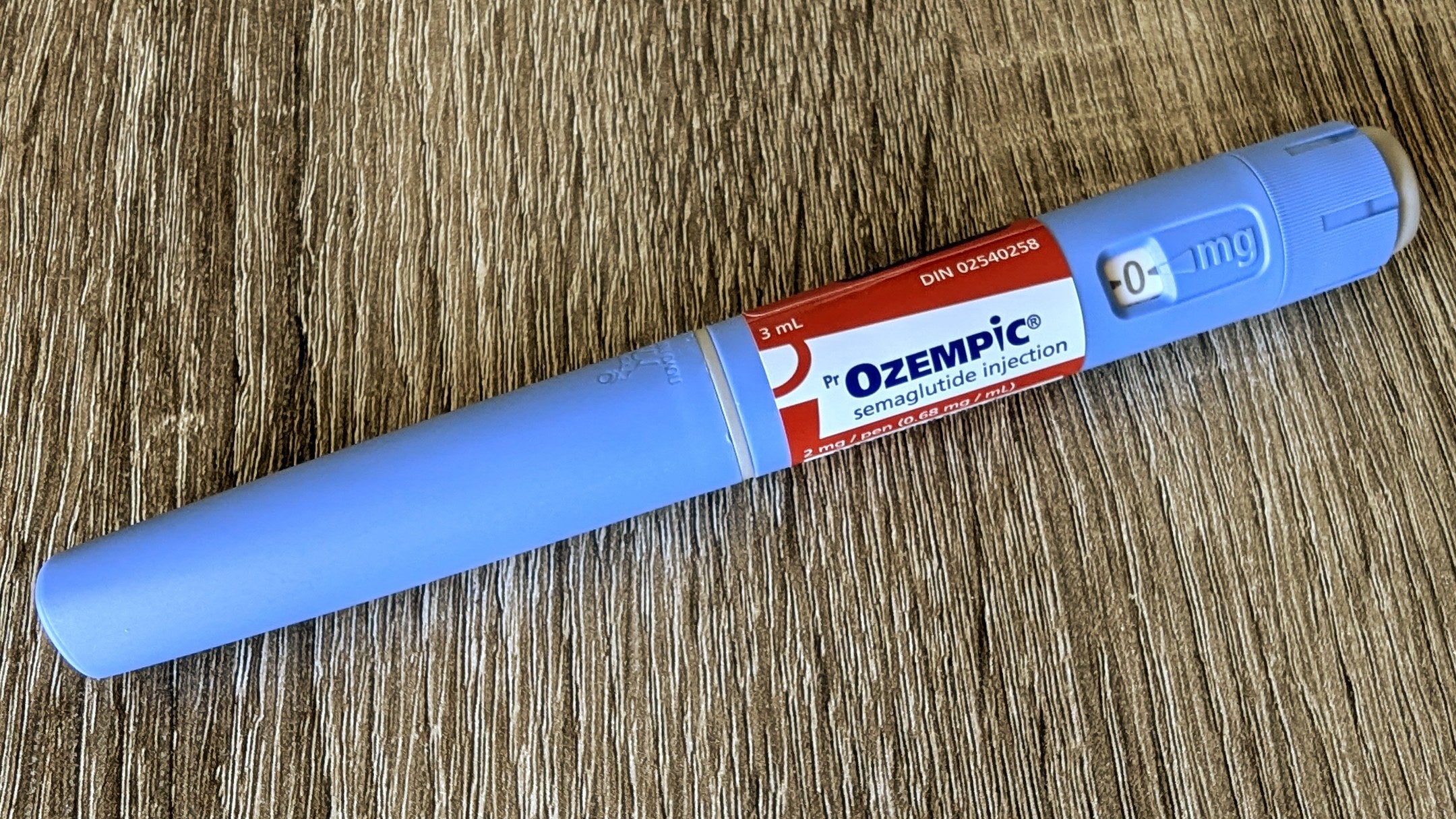
PHOTO CAPTION: An Ozempic injection pen containing semaglutide. Illustrative file photo; the Department of Veterans Affairs has not identified the commercial brand of semaglutide being used in its alcohol-use-disorder trial. (Dennis Sylvester Hurd/CC0)
The Department of Veterans Affairs is testing whether semaglutide can help veterans with alcohol use disorder reduce their drinking, launching a large clinical trial involving more than 600 veterans across 18 VA medical centers.
VA announced the study July 30, 2026, and currently lists the trial as recruiting. The study, called CRAVE — Cessation or Reduction of Alcohol Consumption in Veterans — is a randomized, double-blind Phase 3 trial.
Semaglutide is a GLP-1 medication already used to treat diabetes. Researchers are interested in the drug because evidence suggests GLP-1 medications may also affect brain pathways involved in reward and addictive behavior.
The VA says more than 400,000 veterans nationwide are currently diagnosed with alcohol use disorder, making the search for additional treatment options especially relevant to the veteran population.
Participants in the new trial will be between 18 and 80 years old and have moderate or severe alcohol use disorder.
They will receive a weekly injection of either semaglutide or a placebo for 24 weeks, followed by a safety follow-up. Researchers will measure changes in alcohol consumption as well as participants’ health and quality of life.
The study will operate at 18 VA medical centers around the country, including facilities in California, Texas, Florida, North Carolina, Michigan, Illinois, Georgia, Minnesota, Oregon, Pennsylvania, Washington, Utah and Wisconsin.
Researchers are trying to answer a question that earlier studies have raised but have not settled: whether a medication primarily known for its effects on metabolism and appetite could become an effective treatment for alcohol use disorder.
VA said previous research has found lower rates of alcohol and other substance-use disorders among some patients taking GLP-1 medications compared with similar patients taking other diabetes treatments. Those findings were observational, however, which is why a controlled clinical trial is needed.
The agency cautioned veterans against attempting to self-medicate with semaglutide or replacing proven alcohol-use-disorder treatments on their own.
VA said existing evidence-based treatments remain available and veterans should consult their health care providers before making changes to their care.
If the trial shows semaglutide can safely reduce alcohol consumption, it could give clinicians another treatment option for a disorder affecting hundreds of thousands of veterans.
For now, though, the VA study is designed to determine whether the promising early signal actually holds up in a large, controlled veteran population.
(Source: OAF Nation)