Pentagon Faces Challenges in Blast Tracking
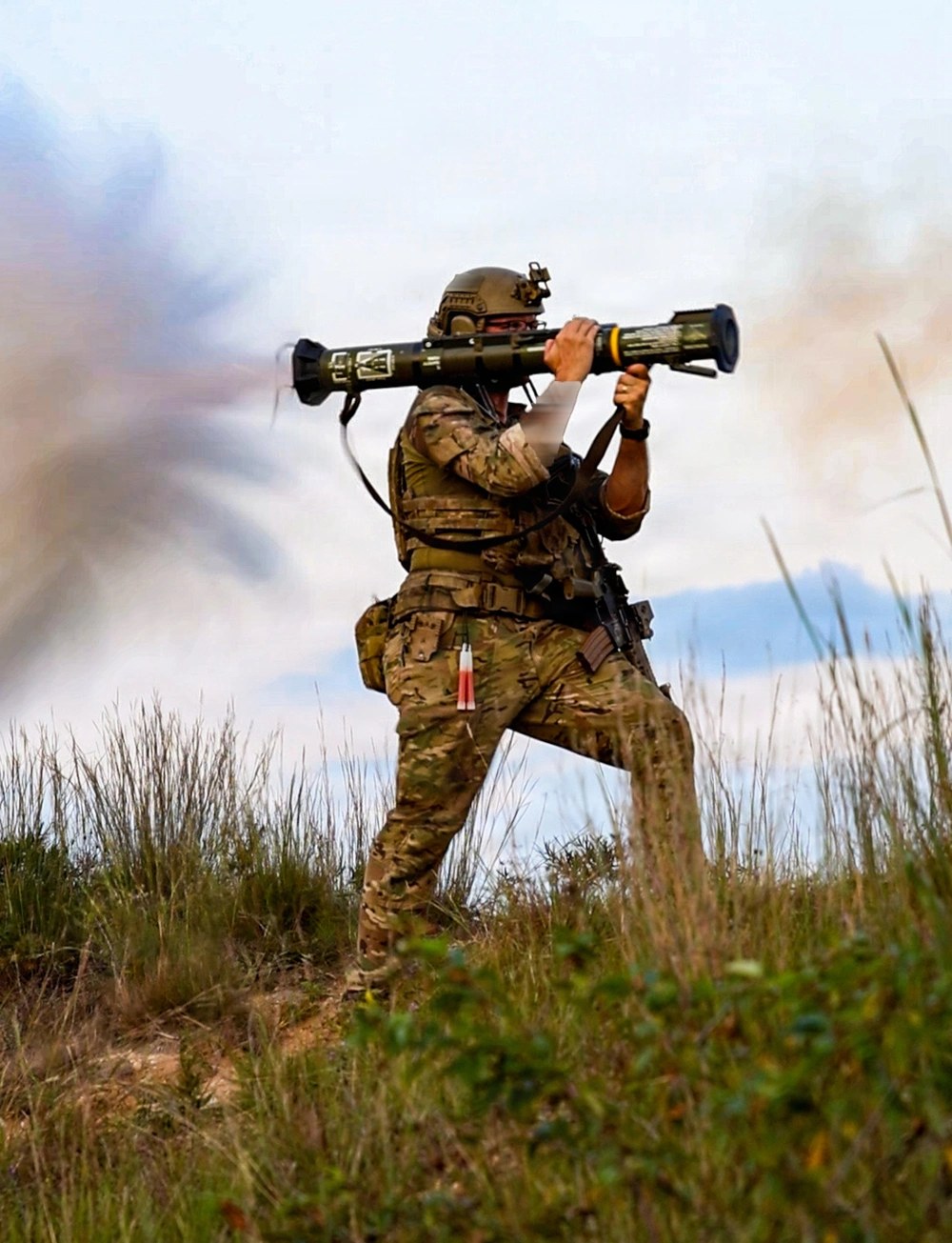
PHOTO CAPTION: U.S. Army Green Beret assigned to 5th Special Forces Group fires an anti-armor rocket launcher during live-fire training at Camp Grayling, Michigan, Aug. 4, 2026. A new GAO report says DoD still faces resource challenges as it expands monitoring of service members’ blast exposure and brain health. Credit: U.S. Army photo by Sgt. Cody Williams / DVIDS
The Pentagon has begun testing service members’ cognitive health and tracking exposure to weapons blasts, but staffing and technology shortages could undermine the effort as it expands across the force, according to a new Government Accountability Office report.
GAO released the report Aug. 18 after reviewing Defense Department policies, cognitive-testing data, interviews with officials and service members, and visits to four military installations. The watchdog concluded that DoD has made progress but has not fully determined what personnel, technology and funding it will need to sustain the program.
The concern centers on blast overpressure, the sudden pressure wave produced when certain weapons are fired or explosives detonate. Service members can encounter repeated exposure during training and combat while operating systems such as artillery, rocket launchers, breaching charges and other heavy weapons.
Research into the long-term effects is continuing, but DoD and GAO say repeated exposure has been associated with symptoms including headaches, slowed thinking, memory and concentration problems, tinnitus, irritability and sleep disturbances. More serious exposures can contribute to traumatic brain injury.
Some of the most striking material in the report came directly from troops.
One service member told GAO that after consecutive breaching exercises they became rattled, dizzy and began vomiting. Another compared firing a rocket launcher to being hit by a football player traveling at an extreme speed.
DoD issued department-wide blast-overpressure requirements in August 2024. Those rules included safer stand-off distances around certain weapons, baseline cognitive assessments for new and high-risk service members, and requirements to create long-term records showing which troops were exposed to blast-producing weapons.
The cognitive tests measure areas including attention, memory and thinking speed. The goal is to establish a baseline that medical providers can later compare against if a service member suffers a brain injury or develops symptoms after repeated blast exposure.
In fiscal 2025, 198,161 new service members received cognitive assessments during initial military training, according to DoD data reviewed by GAO. That included 97,585 Army personnel, 57,265 Navy and Marine Corps personnel, and 43,311 Air Force and Space Force personnel.
Testing among personnel considered at high risk of blast exposure was less complete by the original deadline.
Of 138,488 high-risk service members identified for baseline assessments, 119,479 — about 86% — had been tested by the end of fiscal 2025. By March 2026, DoD reported that the completion rate had increased to 96%.
High-risk occupations include machine gunners, infantry personnel, artillery crews, explosive ordnance disposal specialists, snipers, tank officers, cannoneers and others who routinely work around weapons that generate significant blast pressure.
GAO found that all three military departments encountered problems implementing the cognitive-testing requirement.
Officials cited shortages of trained personnel and computers needed to administer the tests. Some locations relied on mental-health providers to conduct assessments, reducing the time those providers had available for patient care.
The challenge could grow substantially because DoD ultimately intends to expand baseline cognitive testing beyond newly enlisted and high-risk personnel to all active and reserve service members, with updated assessments every five years.
DoD began piloting a new web-based cognitive assessment tool in 2026 that could allow service members to complete testing more independently and reduce staffing requirements. GAO found, however, that DoD did not yet have documented plans for determining whether the pilot would solve its broader resource problems.
GAO also identified gaps in tracking the blasts themselves.
Military officials reported shortages of industrial hygienists — specialists responsible for measuring and documenting occupational hazards — who are needed to record blast exposure by weapon system and maintain exposure histories for individual service members.
Those records could become important years after someone leaves the military.
DoD says exposure tracking is intended to create a longitudinal record of occupational hazards encountered during service, potentially helping medical providers connect later symptoms with a service member’s history of repeated blast exposure.
GAO also found that awareness among troops varies significantly. Some service members familiar with blast-heavy occupations understood the possible brain-health effects, while others said the risks were rarely discussed during training and that much of what they knew came through word of mouth.
The watchdog issued two recommendations: DoD should comprehensively determine what resources are needed for its cognitive-monitoring program and separately assess staffing needs for blast-exposure tracking.
The Defense Department agreed with both recommendations and told GAO it plans to take action.
The issue is likely familiar to generations of troops who routinely fired artillery, mortars, rockets or other heavy weapons before the military began systematically tracking what repeated blast exposure might be doing to their brains.
DoD is now trying to build that system. GAO’s finding is that the department still needs to determine whether it has the people and resources to make it work across the entire force.
(Source: OAF Nation)