VA Health Record Overhaul Costs $48B
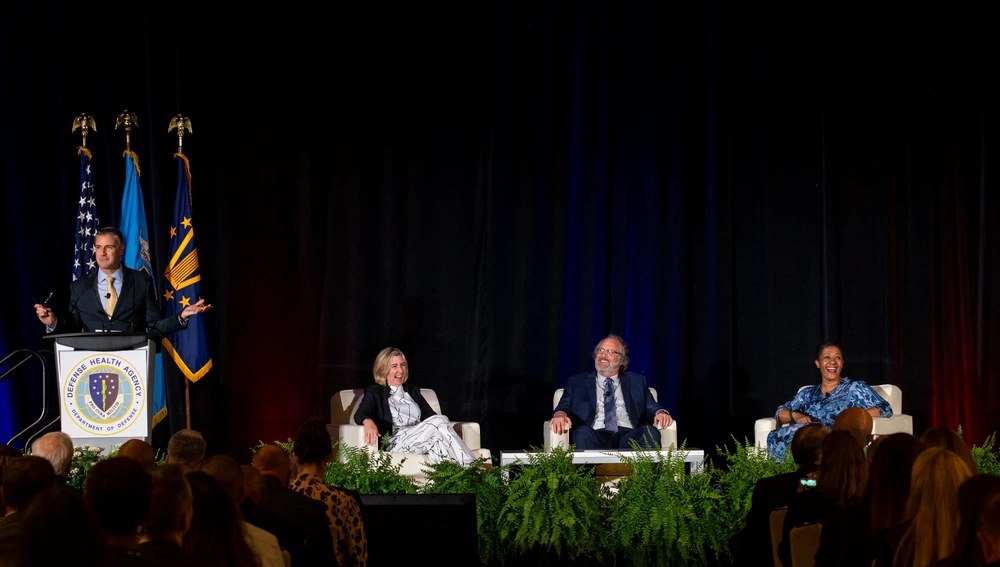
PHOTO CAPTION: Federal health officials discuss the Federal Electronic Health Record during the Defense Health Information Technology Symposium in New Orleans on Aug. 9, 2023. The panel included Dr. Leslie Sofocleous of the Department of Veterans Affairs Electronic Health Record Modernization Integration Office. (Defense Health Agency photo by Robert Hammer)
The Department of Veterans Affairs now estimates its electronic health-record modernization effort could require roughly $48 billion through deployment and sustainment, as lawmakers escalate scrutiny of the troubled program and subpoena two senior Oracle executives.
VA Deputy Secretary Paul Lawrence told the House Veterans’ Affairs Committee on Wednesday that the department estimates approximately $37 billion will be needed to complete deployment of the system through 2031, with another $11 billion for sustainment.
That broader $48 billion estimate is separate from VA’s contract with Oracle. The original electronic health-record contract carried a ceiling of roughly $10 billion over 10 years. The maximum potential value of the contract has now increased to approximately $27 billion.
The $27 billion ceiling does not mean VA has already spent that amount. It represents the maximum value of work that can be ordered under the contract, which includes software, licensing, hosting, training, testing, data migration and other support.
Lawmakers repeatedly pressed VA officials Wednesday about why the contract required roughly $17 billion in additional room.
Lawrence said VA estimated what would be needed to complete deployment, requested a proposal from Oracle and relied on its acquisition team to negotiate the contract. But he said he was not personally involved in those negotiations and could not provide lawmakers with a detailed explanation of what specifically drove Oracle’s proposal or how much VA negotiated it down.
The questioning also returned to previous statements from Oracle leadership. Lawmakers cited a 2022 statement from Oracle Health CEO Mike Sicilia indicating the company was prepared to bear cost overruns connected to the VA project.
Lawrence said VA would have to determine how those previous assurances were handled during the latest negotiations.
Oracle did not appear at Wednesday’s hearing. According to Military Times, the company initially accepted an invitation to testify before later declining because of time constraints.
Rep. Maxine Dexter, D-Ore., then moved to subpoena Oracle Executive Chairman Larry Ellison and Sicilia. The House Veterans’ Affairs Committee approved the motion by a 19-0 recorded vote.
The cost questions come as the Government Accountability Office continues to warn that major issues remain unresolved in the modernization effort.
GAO has made 18 recommendations aimed at improving the program’s cost estimates, scheduling, management, user adoption and testing. As of August 2026, VA had fully implemented only four, leaving 14 not fully addressed. Twelve of the original recommendations were considered priority recommendations.
The system was first deployed at a VA facility in 2020, followed by four additional sites in 2022. VA halted further deployments in 2023 after veterans and clinicians reported that the system was not meeting expectations.
Deployments have since restarted. VA plans to accelerate the rollout and complete implementation at approximately 170 sites by 2031.
Lawmakers also raised concerns Wednesday about whether problems experienced during earlier deployments have actually been resolved. One member cited reports of roughly 300 dermatology referrals being canceled following implementation at a VA facility, including referrals involving patients with cancer diagnoses. VA officials said they would investigate the reports.
Other lawmakers described employees who completed required Oracle training but still did not feel prepared to use the system, including reports of some new employees being unable to document patient care for weeks.
GAO warned that without fully addressing outstanding recommendations, VA risks carrying management and usability problems into future deployments as the department dramatically speeds up installation of the system nationwide.
Sources: U.S. House Committee on Veterans’ Affairs, U.S. Government Accountability Office, Military Times
(Source: OAF Nation)