U.S. Iran War Costs Reach $47B
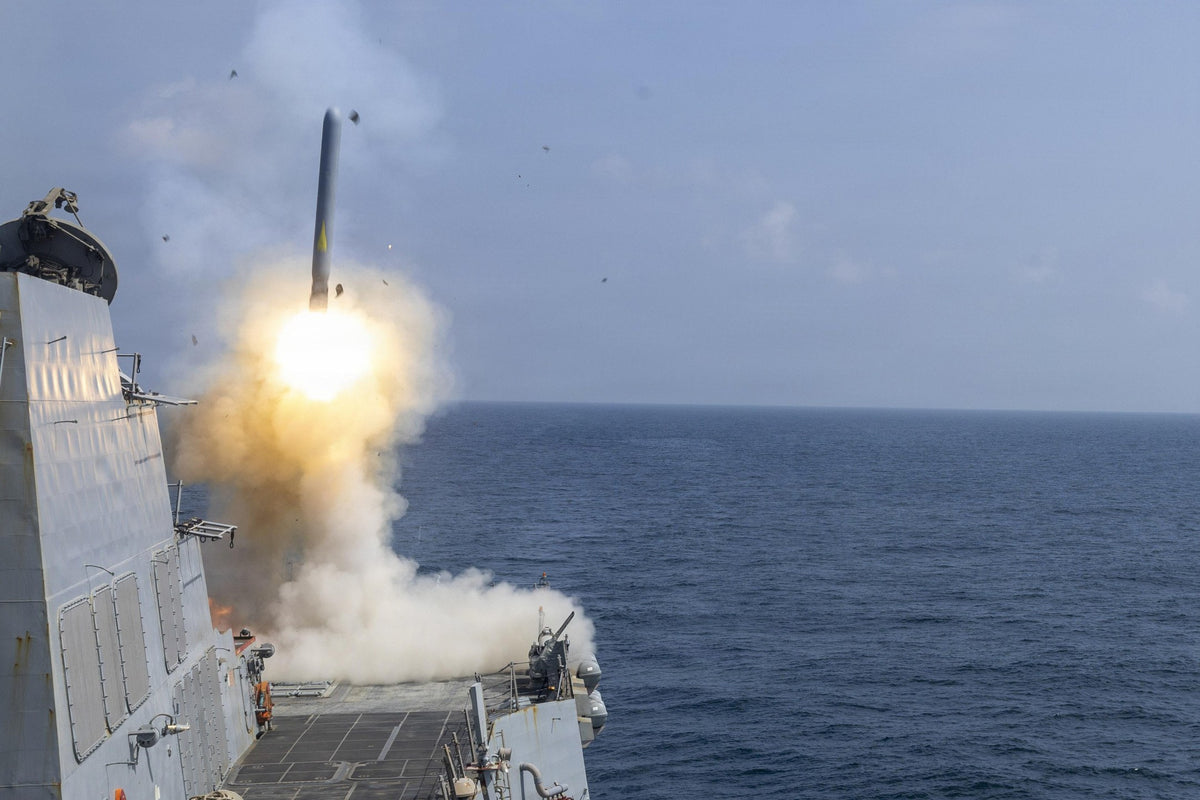
PHOTO CAPTION: The guided-missile destroyer USS Delbert D. Black fires a Tomahawk Land Attack Missile during Operation Epic Fury on February 28, 2026. A newly reported U.S. Central Command estimate puts the cost of the war with Iran at $47.1 billion, including approximately $29 billion to replace expended munitions. (Archival U.S. Navy photo / U.S. Central Command)
The estimated cost of the U.S. war against Iran has climbed to at least $47.1 billion, including approximately $29 billion to replace expended munitions, according to previously undisclosed military figures obtained by Reuters and CBS News.
The latest U.S. Central Command estimate, covering costs through mid-October, represents an increase of approximately $9.6 billion from the $37.5 billion figure Defense Secretary Pete Hegseth provided to lawmakers in July.
The accounting also includes $6.1 billion to replace lost military equipment and approximately $11.9 billion in additional operational expenses.
However, the reported total does not include the substantial cost of repairing American military bases damaged by Iranian missile and drone strikes.
The new figures provide a clearer picture of the financial and military consequences of a conflict that began in February and continues to affect U.S. operations across the Middle East.
$29 Billion to Replace Expended Weapons
The largest component of the estimate involves replacing weapons already used by American forces.
According to the CENTCOM figures obtained by CBS News, approximately $29 billion is associated with replenishing expended munitions, accounting for more than 60% of the estimated overall cost.
Those replacement requirements include weapons consumed during U.S. offensive operations and efforts to defend American forces against Iranian missile and drone attacks.
The military has relied on precision-guided weapons, including Tomahawk cruise missiles, as well as costly missile defense systems.
During the opening phase of the war, American forces used high-end precision weapons to strike Iranian air defenses, missile facilities and other military targets.
Although less expensive weapons could be used against some targets after those defenses were degraded, the conflict has continued to place demands on U.S. weapons inventories.
The $29 billion represents the estimated cost of replenishing expended munitions. It does not mean that the Pentagon has already purchased or received that amount in replacement weapons.
The distinction matters because rebuilding military stockpiles can require additional appropriations, expanded manufacturing capacity and significant production time.
Equipment Losses Add Another $6.1 Billion
Military equipment losses account for another substantial portion of the estimate.
CENTCOM calculated approximately $6.1 billion in replacement requirements for aircraft, drones and other equipment lost during operations, according to CBS News.
Reuters independently reported that the equipment replacement figure exceeded $6 billion and included aircraft and unmanned systems.
The estimate reflects the cost of replacing lost platforms, rather than necessarily documenting money already paid to procure replacements.
The Pentagon has not publicly released a complete inventory of the losses underlying the newest estimate.
The remaining approximately $11.9 billion consists of incremental operational expenses, including support for American service members and other costs associated with conducting military operations.
Together, the munitions, equipment and operational categories make up the reported $47.1 billion estimate.
Damaged American Bases Could Push Costs Higher
One of the most significant uncertainties involves damage to American military installations.
Iranian missiles and drones have struck U.S. bases and military facilities across the Middle East during the conflict.
Reuters reported that the Pentagon's latest accounting does not clearly include the cost of repairing those installations. CBS News likewise reported that base damage was excluded from the CENTCOM estimate.
That means the overall financial burden could be higher than the $47.1 billion figure.
The cost of repairing damaged infrastructure, restoring military capabilities and replacing equipment that has not yet been fully assessed could add to future funding requirements.
The Pentagon had not publicly confirmed the latest cost estimate or provided a complete accounting in response to the news organizations' inquiries.
Congressional Budget Office Warns About Weapons Stockpiles
The financial figures also raise questions about how quickly the military can replace weapons consumed during the war.
In a September 15 report, the nonpartisan Congressional Budget Office estimated that U.S. operations against Iran had cost approximately $38 billion as of August 1.
The agency warned that heavy consumption of missile defense interceptors could leave American forces with reduced inventories for several years.
Such shortages could become particularly concerning during another major conflict involving large numbers of ballistic and cruise missiles.
The CBO specifically identified the potential implications of a future confrontation involving China, whose military maintains substantial missile capabilities.
The agency estimated that continuing operations against Iran could add approximately $2 billion to $3 billion in monthly military costs, depending on the intensity of fighting. More extensive combat could drive expenses higher.
The CBO's earlier estimate and the newly reported CENTCOM figures cover different periods and use separate accounting methods, but both identify weapons replenishment as a major expense.
Congress Faces Growing Funding Questions
The Trump administration has sought additional congressional funding to cover military operations and replenish equipment.
In June, the administration requested $87.6 billion in supplemental appropriations, including $67.1 billion for the Defense Department's Iran-related requirements, according to the Congressional Budget Office.
That request is separate from the estimated cost of operations and should not be added to the $47.1 billion figure as though it were additional money already spent.
Congress has continued examining the conflict's financial burden, including the cost of expended weapons, equipment losses and the impact on military readiness.
Democratic lawmakers have pressed Hegseth for more detailed spending information, while the administration has maintained that American forces have the weapons and capabilities needed to conduct operations.
The latest reported figures are likely to become part of that debate as lawmakers consider additional defense funding.
What Happens Next?
The war began in February when the United States and Israel launched military operations against Iran.
An April ceasefire reduced the intensity of fighting, but the broader confrontation has continued through a U.S. naval blockade, intermittent hostilities and unresolved diplomatic negotiations.
President Donald Trump has raised the possibility of renewed major strikes if Iran does not reach an agreement.
Reuters reported that Pentagon officials have been developing options for additional large-scale military operations if ordered to proceed.
For now, the $47.1 billion estimate illustrates the financial consequences of the campaign and the expense of restoring American military capabilities afterward.
The final cost remains uncertain, particularly because base repairs have not been fully incorporated and any renewed escalation could require additional weapons, equipment and operational spending.
(Source: OAF Nation)