Trump Offers $1M for Voter Fraud Tips
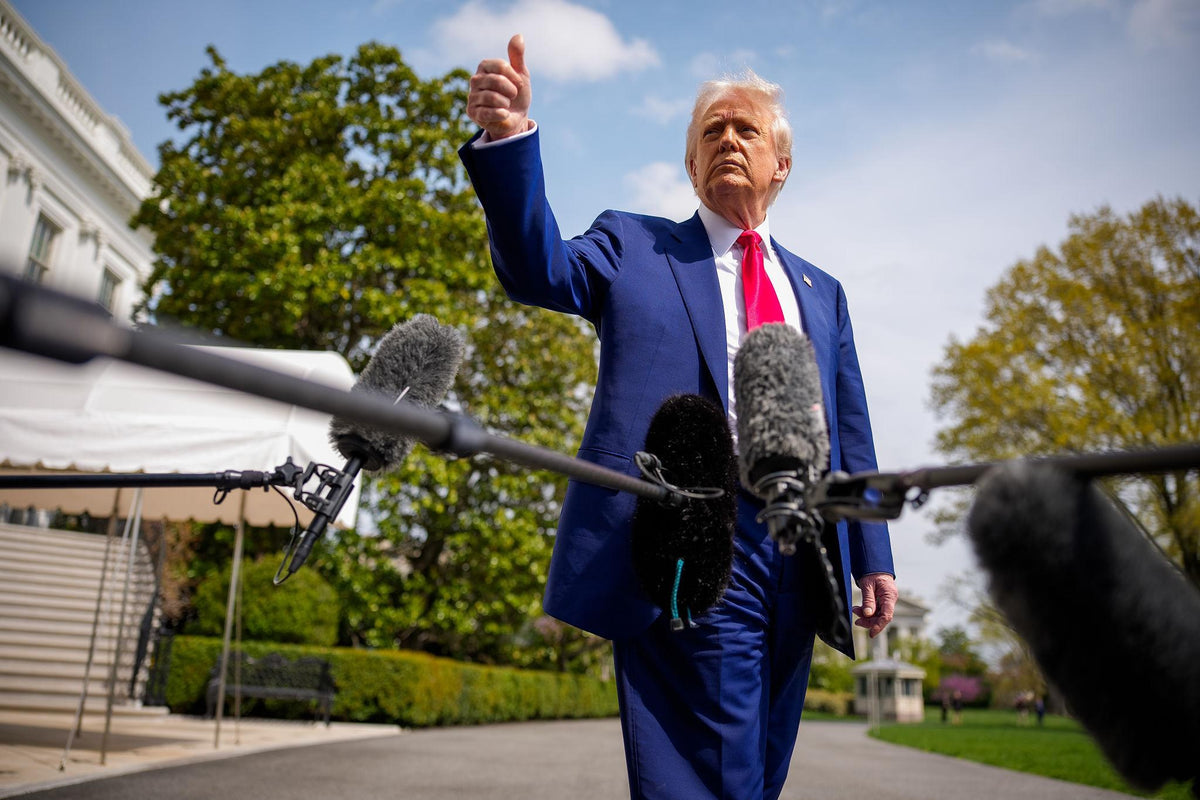
PHOTO CAPTION: President Donald Trump speaks with members of the media on the White House South Lawn on October 25, 2026, before departing for a campaign trip to Michigan. The following day, Trump announced a $1 million reward offer for reports of voter fraud resulting in an arrest and conviction. (Archival White House photo by Patrick Witty)
President Donald Trump announced Monday that he would offer $1 million to anyone who reports voter fraud in previous elections or the upcoming 2026 midterms, provided the information leads to an arrest and conviction.
The announcement, made October 26 on Truth Social, comes eight days before Americans vote in elections that will determine control of Congress.
Trump said people reporting fraud involving past elections or the November 3 midterms "will be paid $1,000,000" following the arrest and conviction of those responsible.
However, the White House has not explained how the proposed rewards would be funded, administered or distributed.
Questions Surround the $1 Million Offer
The announcement establishes a significant financial incentive for reporting suspected election-related crimes, but several fundamental questions remain unanswered.
Trump did not identify which federal agency would receive reports, investigate eligibility or authorize payments. He also did not explain whether the money would come from existing federal appropriations or require a separate funding arrangement.
According to NBC News, a White House spokesperson provided no additional details and referred questions about the proposal back to Trump's social media statement.
The requirement for both an arrest and conviction is also significant. Reporting suspected fraud, prompting an investigation or even securing criminal charges would not, by itself, satisfy the condition Trump announced.
No formal application procedure or written eligibility rules for the $1 million offer have been publicly identified.
Separate Federal Fraud Reward Program Already Exists
The announcement follows a different federal whistleblower initiative introduced by the Justice Department on October 20.
That program, called the Fraud Whistleblower Incentive Program, offers rewards ranging from $10,000 to $30,000 for information leading to criminal charges involving specified categories of fraud.
The Justice Department said the program would prioritize certain health care and federal benefits fraud cases. The Treasury Department committed $25 million to support its implementation.
Unlike Trump's newly announced election-related offer, the existing program has published eligibility requirements and a designated reporting process.
The Justice Department's published rules do not establish the $1 million voter fraud reward announced Monday.
Election Integrity Takes Center Stage Before Midterms
Trump has repeatedly argued that stronger federal oversight is necessary to protect election integrity and restore public confidence in voting.
His administration has pressed states for voter registration information and pursued additional measures intended to identify potentially ineligible voters.
Supporters of stronger enforcement say investigating credible allegations of election fraud is necessary to protect lawful votes and maintain confidence in election results.
Critics, including election officials and legal experts, have warned that expanding federal involvement in state-run elections raises concerns about government overreach.
Although individual election fraud cases have been documented, available evidence does not support claims of widespread voter fraud in U.S. elections.
Trump has continued to make disputed claims about the 2020 presidential election, including allegations of widespread fraud that were not substantiated by the available evidence.
What Happens Next?
The November 3 midterm elections are approaching with Republicans defending their congressional majorities.
For now, Trump's $1 million offer remains an announcement without publicly established administrative procedures.
It is unclear whether the Justice Department or another federal agency will develop a formal reward program, how its funding would be approved or when eligible individuals could receive payments.
Until those questions are answered, the distinction remains important: Trump has promised a substantial financial reward, but the federal government has not demonstrated that a payment system is operating.
(Source: OAF Nation)