Pentagon Polygraphs Top Officials
PHOTO CAPTION: Defense Secretary Pete Hegseth at the Pentagon in Washington. Pentagon investigators reportedly subjected roughly 50 Joint Staff members to polygraph examinations in August as part of an investigation into leaks involving classified information about U.S. weapons stockpiles. (U.S. Air Force photo by Staff Sgt. Madelyn Keech)
The Pentagon subjected dozens of military officers and civilian officials to polygraph examinations as part of an unusually broad investigation into leaks of classified information about U.S. weapons stockpiles.
Roughly 50 members of the Joint Staff were tested in August, according to reporting first published by The New York Times and subsequently confirmed in part by CBS News and other outlets. Investigators were trying to determine whether officials had provided journalists with classified information about depleted U.S. munitions inventories.
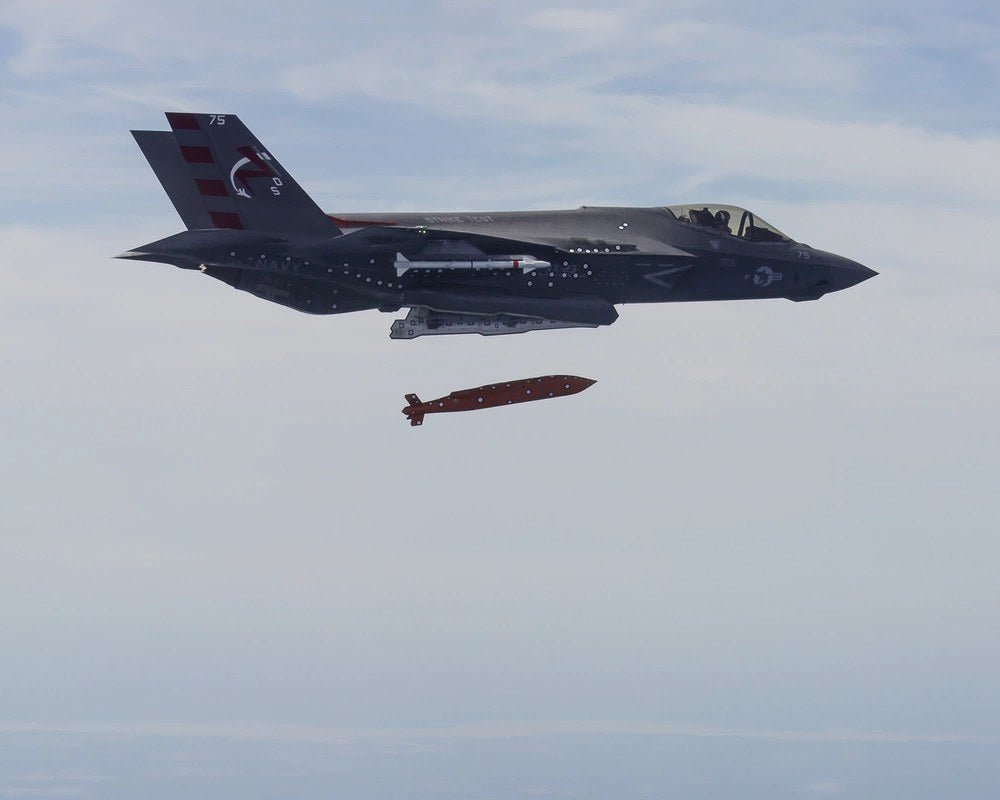
The investigation followed months of reporting about the rate at which the U.S. military was consuming advanced weapons during operations against Iran, including long-range precision-guided weapons and air-defense interceptors.
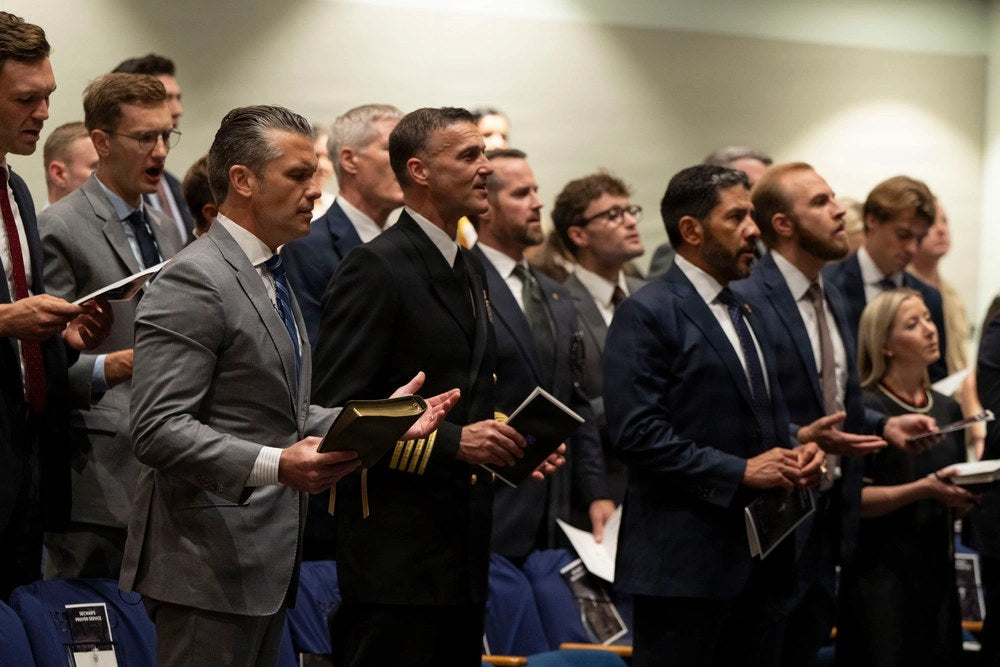
Some of the officials tested were among the highest-ranking members of the military, CBS reported. The questioning also extended beyond the Joint Staff to personnel associated with U.S. Central Command.
Chairman of the Joint Chiefs of Staff Gen. Dan Caine was not polygraphed, according to a senior Pentagon official cited by CBS.
Investigators reportedly asked officials whether they had disclosed classified information to members of the press and whether they had provided information concerning reduced U.S. munitions stocks.
The Pentagon has not publicly identified anyone as the source of the leaks or released the results of the investigation.
CBS reported that no one failed the questions specifically intended to determine whether officials had leaked information to the media. The Pentagon has not independently released findings confirming who, if anyone, was responsible.
The scale of the polygraph effort is one of the more unusual aspects of the investigation. Polygraphs are used within the national-security community for some security clearances, sensitive-access programs and investigations involving unauthorized disclosures, but current and former officials told news organizations that administering them to this many senior military personnel in a single leak investigation was uncommon.
Defense Secretary Pete Hegseth announced in July that the Pentagon and Justice Department had formed a joint task force aimed at investigating and potentially prosecuting unauthorized disclosures of sensitive national-security information.
Pentagon spokesman Sean Parnell has declined to discuss details of the investigation, saying the department does not comment on investigative matters.
“Securing classified information is critical to ensuring the security of the United States and of our troops deployed around the world,” the Pentagon said in a statement provided to CBS and Time.
The investigation comes amid a larger dispute over the condition of American weapons inventories following months of combat operations. News organizations have reported concerns involving stocks of sophisticated missiles and air-defense interceptors, while President Donald Trump has repeatedly disputed reports suggesting the U.S. is facing a broad munitions shortage.
Exact U.S. weapons inventories are classified.
The issue also reached Congress over the weekend. Rep. Jason Crow of Colorado, a senior member of both the House Armed Services and Intelligence committees, said Sunday that he had not been briefed on the investigation or its outcome.
“We haven't received any information,” Crow told CBS's Face the Nation, while acknowledging that protecting classified information and stopping leaks are legitimate national-security concerns.
For the military, the episode leaves two significant questions unresolved: who disclosed the classified information, and what the reported concerns about American munitions inventories mean for readiness after months of sustained operations.
The Pentagon has publicly answered neither.
(Source: OAF Nation)