Iran Seeks Talks Amid U.S. Tensions
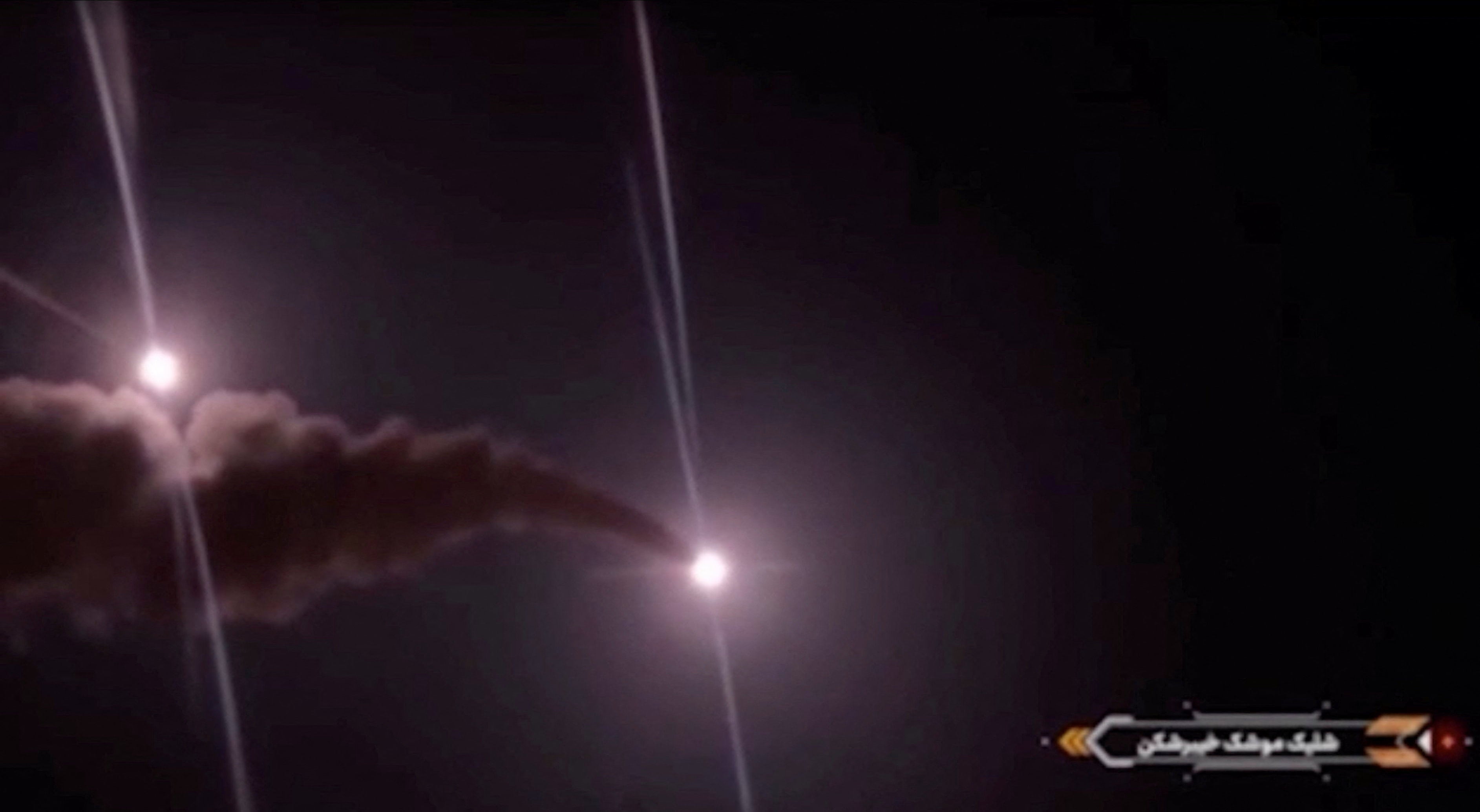
PHOTO CAPTION: Projectiles streak across the sky in this screengrab taken from footage published by Iranian authorities purporting to show missiles launched at US military targets in Jordan from an unknown location, released on August 31, 2026. Wana News Agency via REUTERS
DUBAI, Aug. 31 — Iran is still seeking a negotiated end to its conflict with the United States, President Masoud Pezeshkian said Monday, one day after the two countries exchanged fire for the first time since late July and oil prices rose more than 3.5%.
Pezeshkian’s comments came after U.S. President Donald Trump posted an AI-generated video that he said showed Iran’s Kharg Island oil hub being destroyed. Reuters found no evidence of such an attack, and a U.S. official said the military had not targeted Kharg Island during overnight strikes.
U.S. forces instead struck two Iranian launchers on Larak Island on Sunday, about 660 km, or 410 miles, east of Kharg, a U.S. official said. Iran then struck two U.S. bases in Jordan, according to Iranian media.
Two people were killed and others injured in the Larak attack, Iran’s IRNA news agency quoted the local governor as saying Monday.
The renewed fighting followed weeks in which the Trump administration had shifted toward increasing economic sanctions on Tehran and its business partners rather than further military action. Diplomatic efforts remain stalled.
Pezeshkian, speaking with Indian Prime Minister Narendra Modi on the sidelines of a regional security meeting in Kyrgyzstan, accused Washington of failing to meet commitments under previous agreements but said Tehran still wanted a negotiated outcome.
“Nevertheless, we are still trying to achieve an agreement and understanding, and we believe that continuing the war is in no one's interest, neither ours, nor the region's, nor humanity's,” Iran’s semi-official Tasnim news agency quoted him as saying.
“We believe the solution to the existing issues is dialogue and cooperation and that every capacity must be used to prevent the spread of insecurity and conflict.”
Trump posts AI-generated Kharg Island video
Earlier, Trump posted a video on Truth Social purporting to show Kharg Island being destroyed, accompanied by the message: “Kharg Island being blown to smithereens!!! President DJT.”
Reuters determined that the footage showing dramatic explosions was most likely synthetically generated using artificial intelligence. The White House and Defense Department did not respond to requests for comment outside regular business hours.
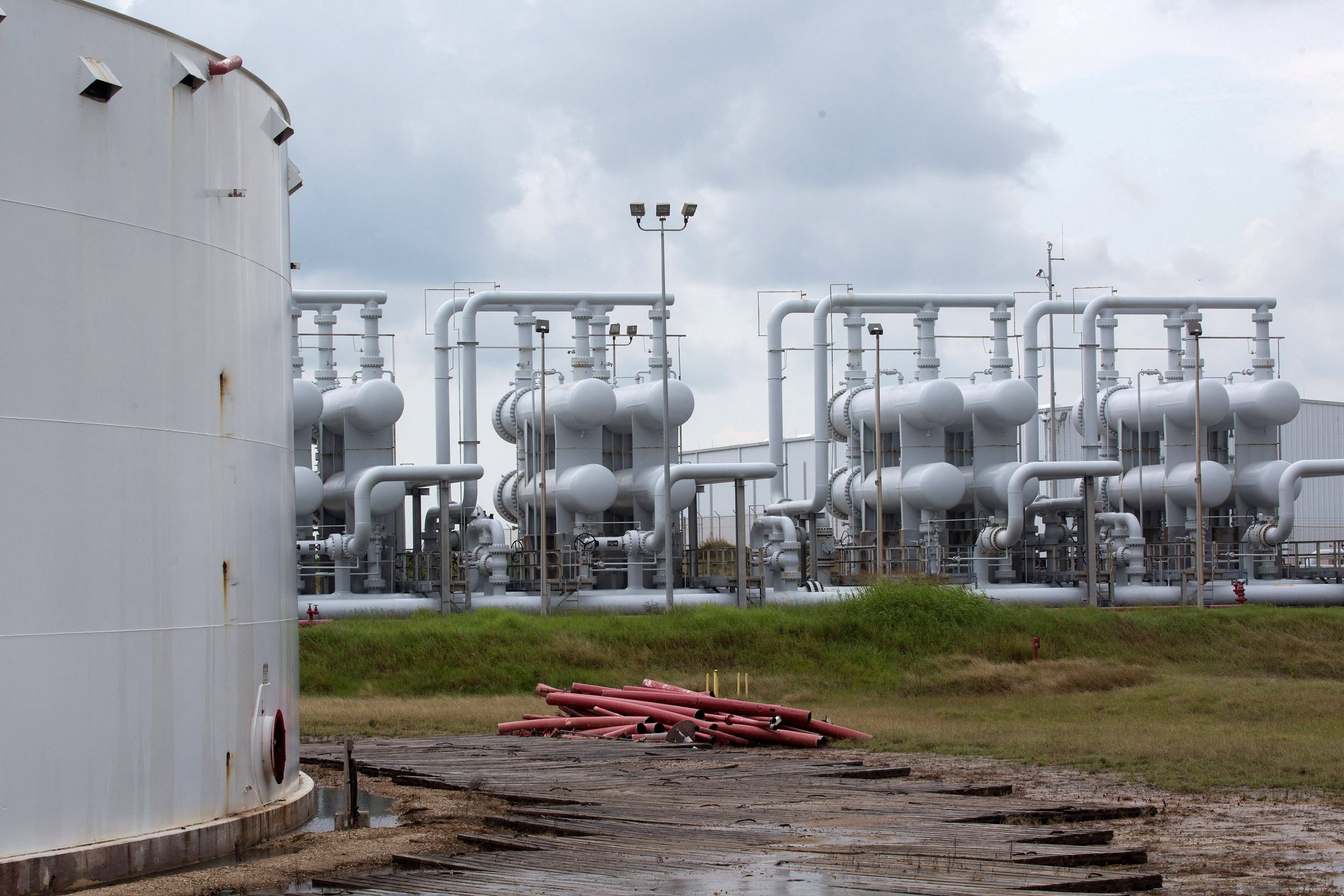
Kharg handled about 90% of Iran’s oil exports before the war began with U.S.-Israeli strikes on Feb. 28, meaning an attack there could severely disrupt Iranian energy exports and increase economic pressure on Tehran.
“Trump’s tweets are laughable and conditions in Kharg are calm and appropriate,” Hamid Bovard, chief executive of the state-run National Iranian Oil Co., said Monday.
Bovard said oil operations had not stopped and workers were repairing previous damage and modernizing facilities, according to comments carried by Nournews, a semi-official outlet close to Iran’s top security body.
Fighting returns to Strait of Hormuz
A U.S. official said the strikes on Larak Island were carried out after Islamic Revolutionary Guard Corps forces were observed preparing to launch rockets carrying sea mines into the Strait of Hormuz.
Larak is a small Iranian island in the strait near the strategic port of Bandar Abbas. The Strait of Hormuz, which normally handles about one-fifth of global crude oil shipments, has been effectively blocked since the war began.
U.S. Central Command said it took “limited, precise” action against Revolutionary Guards minelaying forces that posed an “imminent threat” in the strait, but provided no further details.
Iran’s Foreign Ministry said the strikes on U.S. bases in Jordan targeted facilities used to launch and support the Larak attack.
Iran’s army also said it struck Al Minhad air base in the United Arab Emirates early Monday, but the UAE Defense Ministry rejected that claim as false. The ministry later said the UAE air force had engaged a drone coming from Iran over its territorial waters, without saying whether the aircraft was destroyed.
Iran’s Revolutionary Guards separately said they shot down a U.S. drone with air-defense missiles and that the aircraft crashed into Gulf waters, according to a statement cited by Mehr news agency.
Iranian state television also reported that a supertanker caught fire and stopped after being struck by two naval mines in the southern Strait of Hormuz. The Revolutionary Guards said the vessel had been attempting to transit the waterway illegally but did not identify the ship or provide information about its crew.
U.S. keeps increasing economic pressure
Trump has yet to achieve the objectives he set at the outset of the war, including dismantling Iran’s nuclear program, reducing its ability to attack regional rivals and creating conditions for Iranians to overthrow the country’s clerical leadership.
Treasury Secretary Scott Bessent told Reuters on Sunday that new secondary sanctions were likely to be announced weekly, initially focusing on banks. The European Union said Monday it would continue working with the United States and others to maintain economic pressure on Iran.
Last week, Trump said all mines in international waters of the Strait of Hormuz had been detonated or removed and warned that any vessel laying new mines would be destroyed. Iran rejected that assertion.
(Source: Reuters)