Court Blocks Family's FBI Raid Suit
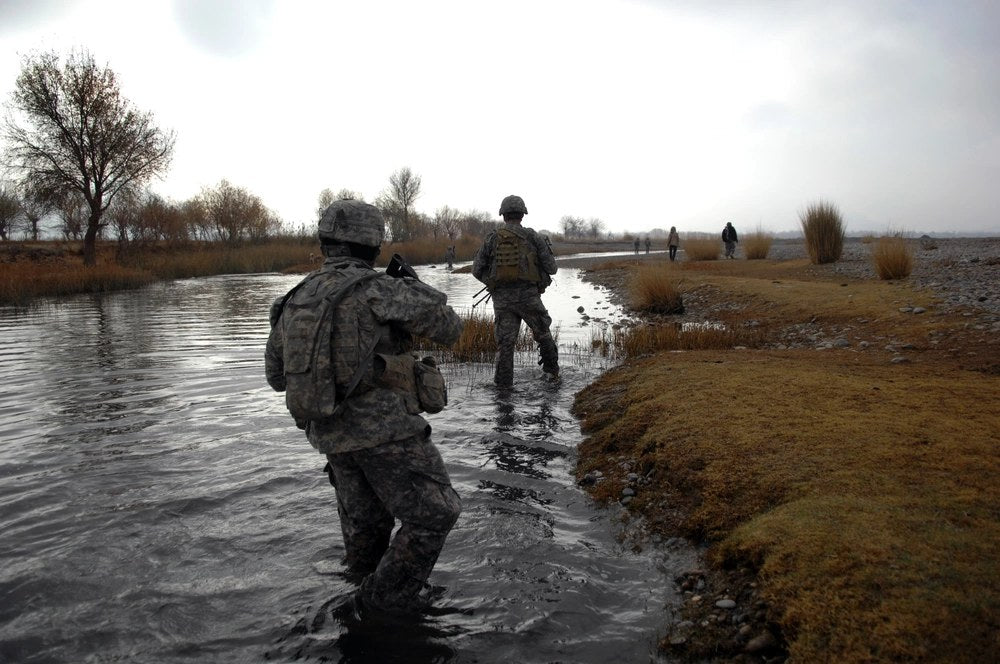
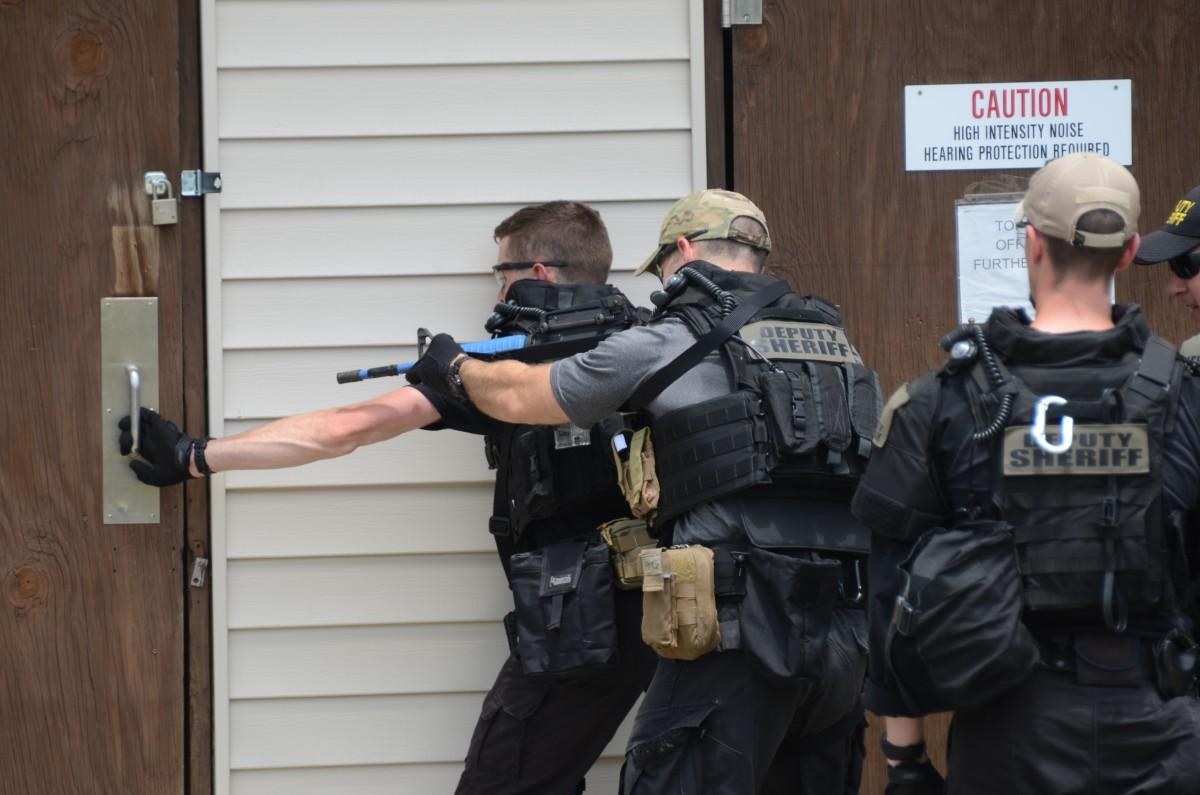
PHOTO CAPTION: Law enforcement personnel conduct close-quarters training during an FBI/SWAT tactical summit at Fort Jackson, South Carolina, in April 2019. A federal appeals court has ruled that an Atlanta family cannot pursue its damages claims against the United States following a mistaken FBI raid in 2017, although claims against the supervising agent may proceed. U.S. Army courtesy photo.
An Atlanta family whose home was mistakenly stormed by an FBI SWAT team has been told it cannot take the federal government to trial for the raid, even after the U.S. Supreme Court unanimously revived its lawsuit last year.
In a ruling issued October 7, the 11th U.S. Circuit Court of Appeals found that the federal government remains protected from the family's damages claims. However, the court also ruled that the FBI agent who led the operation could potentially be held personally liable for violating the family's constitutional rights.
The case stems from a predawn FBI operation on October 18, 2017, when a six-member SWAT team broke into the wrong house in suburban Atlanta.
Agents were supposed to execute search and arrest warrants at a suspected gang member's residence on Landau Lane. Instead, they stormed the home of Curtrina "Trina" Martin, her then-partner Hilliard Toi Cliatt and Martin's 7-year-old son on nearby Denville Trace.
Armed agents smashed through the front door, detonated a flashbang grenade and entered the home with guns drawn.
Martin was in her bedroom when agents entered. Her young son, frightened by the commotion, cried out for his mother as officers moved through the house.
Cliatt was handcuffed before agents realized they had entered the wrong residence.
According to court records, the team leader, FBI Special Agent Lawrence Guerra, had relied on a personal GPS device to locate the target.
The intended property was only a few houses away.
The Supreme Court later noted that agents failed to recognize several clues that should have alerted them to the mistake, including a street sign and a house number visible on a mailbox.
After discovering the error, the FBI team released the occupants, apologized and proceeded to the intended address.
But the ordeal was far from over for the family.
Martin, Cliatt and her son reported lasting emotional and financial consequences from the raid. They eventually sued the federal government and Guerra, seeking accountability for the mistaken operation.
Their claims against the United States were brought under the Federal Tort Claims Act, a law that allows people to seek damages from the federal government for certain wrongful actions committed by federal employees.
Lower courts initially dismissed the family's claims.
In June 2025, the U.S. Supreme Court unanimously overturned the earlier appeals court decision and returned the case for further consideration.
That decision gave the family another opportunity to pursue its claims, but it did not establish that the federal government was liable for the raid.
Now, more than nine years after the incident, the 11th Circuit has again ruled in favor of the federal government.
The three-judge panel concluded that an exception protecting certain discretionary government actions prevents the family's claims against the United States from moving forward.
However, the panel reached a different conclusion concerning Guerra.
The judges ruled that a reasonable jury could find the agent failed to take adequate precautions to ensure his team was entering the correct home.
That failure, the panel determined, could amount to a violation of the family's constitutional rights.
As a result, the appeals court reversed the lower court's decision granting Guerra qualified immunity, allowing the family's claims against him to proceed.
Qualified immunity can protect government officials from personal civil liability unless their actions violate clearly established legal rights.
The ruling does not mean Guerra has been found liable. That question remains unresolved.
Attorneys representing the family called the decision concerning the agent a victory but said they intend to seek further review of the ruling shielding the federal government.
Patrick Jaicomo, an attorney with the Institute for Justice representing the family, said he plans to ask the full appeals court to reconsider the government immunity issue.
The judges also acknowledged questions surrounding existing circuit precedent governing lawsuits against federal law enforcement.
The FBI's Atlanta office declined to comment on personnel matters following the ruling.
For Martin and her family, the legal fight continues nearly a decade after armed federal agents mistakenly broke into their home.
The latest decision leaves the family with a potential path toward holding the individual agent accountable, while the federal government itself remains protected from their lawsuit under the appeals court's current interpretation of the law.
(Source: OAF Nation)