ARMY STUDY: H2F SPEEDS RECOVERY
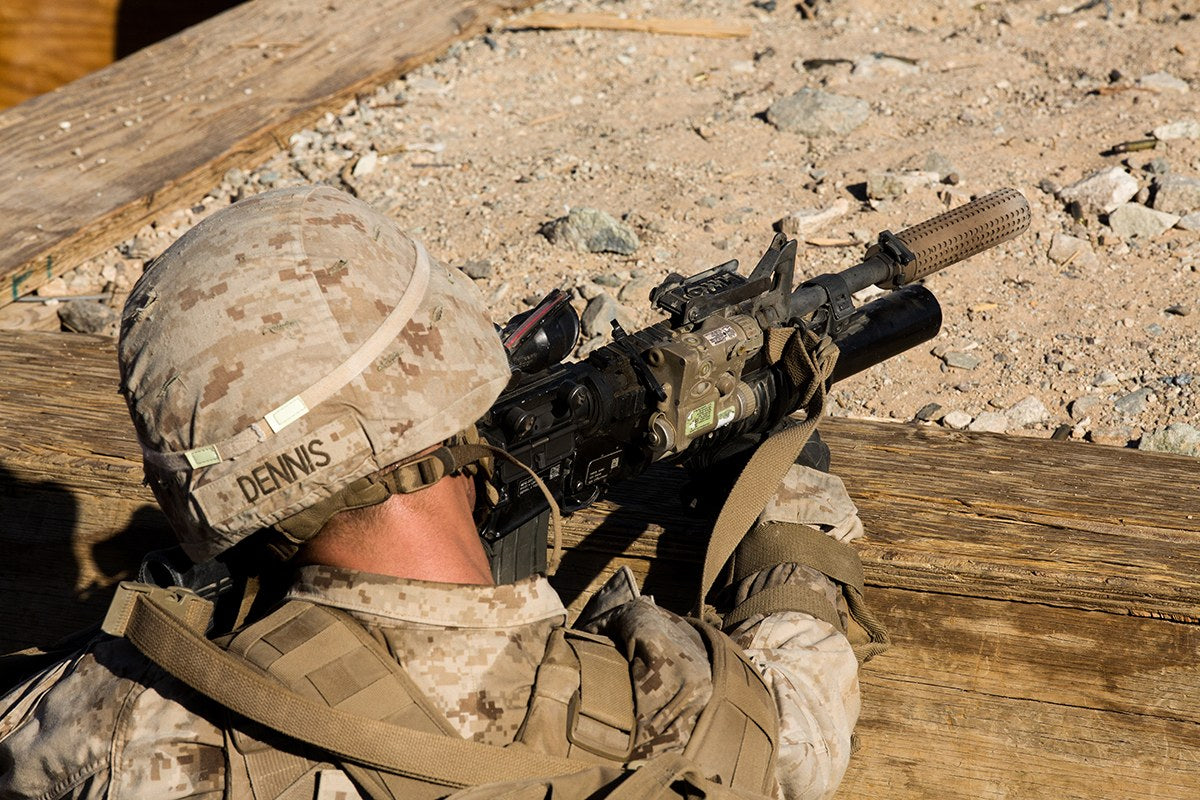
PHOTO CAPTION: Soldiers with the 20th Engineer Brigade conduct rehabilitation physical training at Fort Liberty, North Carolina. A new study of more than 1.4 million Army musculoskeletal injuries found soldiers in units with embedded H2F teams spent fewer days on limited duty. (U.S. Army photo by Jean Hines)
A massive new study of more than 1.4 million Army injuries found that soldiers assigned to units with embedded Holistic Health and Fitness teams spent less time on limited duty after musculoskeletal injuries.
The study, published Sept. 17 in JAMA Network Open, examined 1,420,195 musculoskeletal injuries among active-duty Army personnel using data collected from October 2017 through September 2025.
Researchers compared soldiers assigned to units with the Army's Holistic Health and Fitness system, commonly known as H2F, with soldiers in units that had not yet received the embedded health teams.
The difference was measurable.
Exposure to H2F was associated with a 5.9% reduction in the amount of time soldiers spent on limited duty following a musculoskeletal injury.
By 2025, soldiers in H2F-supported units were spending an average of about 5.7 fewer days on restricted duty per injury than soldiers in units without the embedded system.
The difference was even larger for lower-body injuries.
Researchers found H2F exposure was associated with about 6.9 fewer restricted-duty days for lower-body injuries and about 3.8 fewer days for upper-body injuries.
For soldiers, that limited-duty period is commonly documented through a temporary profile restricting certain physical activities while they recover.
H2F changes where much of that recovery support happens.
Instead of relying entirely on traditional medical referrals, the Army embeds interdisciplinary teams directly with operational units. Those teams can include physical therapists, athletic trainers, occupational therapists, registered dietitians, strength and conditioning coaches and cognitive-performance specialists.
A typical H2F team includes roughly 22 specialists supporting an Army brigade of approximately 3,000 to 5,000 soldiers.
The Army began rolling the system out across operational brigades in 2021.
Researchers estimated that the shorter periods of limited duty associated with H2F translated into roughly 3.3 million to 4 million productive duty days restored during the study period.
They estimated the annual labor-productivity value of those restored duty days at between $93 million and $164 million.
Musculoskeletal injuries are a major readiness issue for the Army because even injuries that do not remove a soldier from duty entirely can restrict running, lifting, carrying equipment, physical training and other tasks required by their job.
The study found that most injuries resulted in fewer than 40 days of restricted duty, but soldiers in H2F-supported units consistently returned to unrestricted duty sooner.
Researchers emphasized that the study was observational.
That means the findings show an association between H2F exposure and faster return to full duty, but they do not prove that H2F alone caused every difference between the groups.
Other differences between units or soldiers could also affect recovery.
Still, the researchers concluded that embedding interdisciplinary health teams directly alongside a physically demanding workforce could offer a scalable way to improve injury recovery and reduce lost work time.
For the Army, the findings also provide one of the largest datasets yet for evaluating whether H2F is delivering measurable results.
And for anyone who spent part of their military career on a temporary profile, the finding is a fairly simple one:
Soldiers with access to the Army's embedded health teams were getting back to full duty sooner.
(Source: OAF Nation)