White House Plans Jones Act Waiver
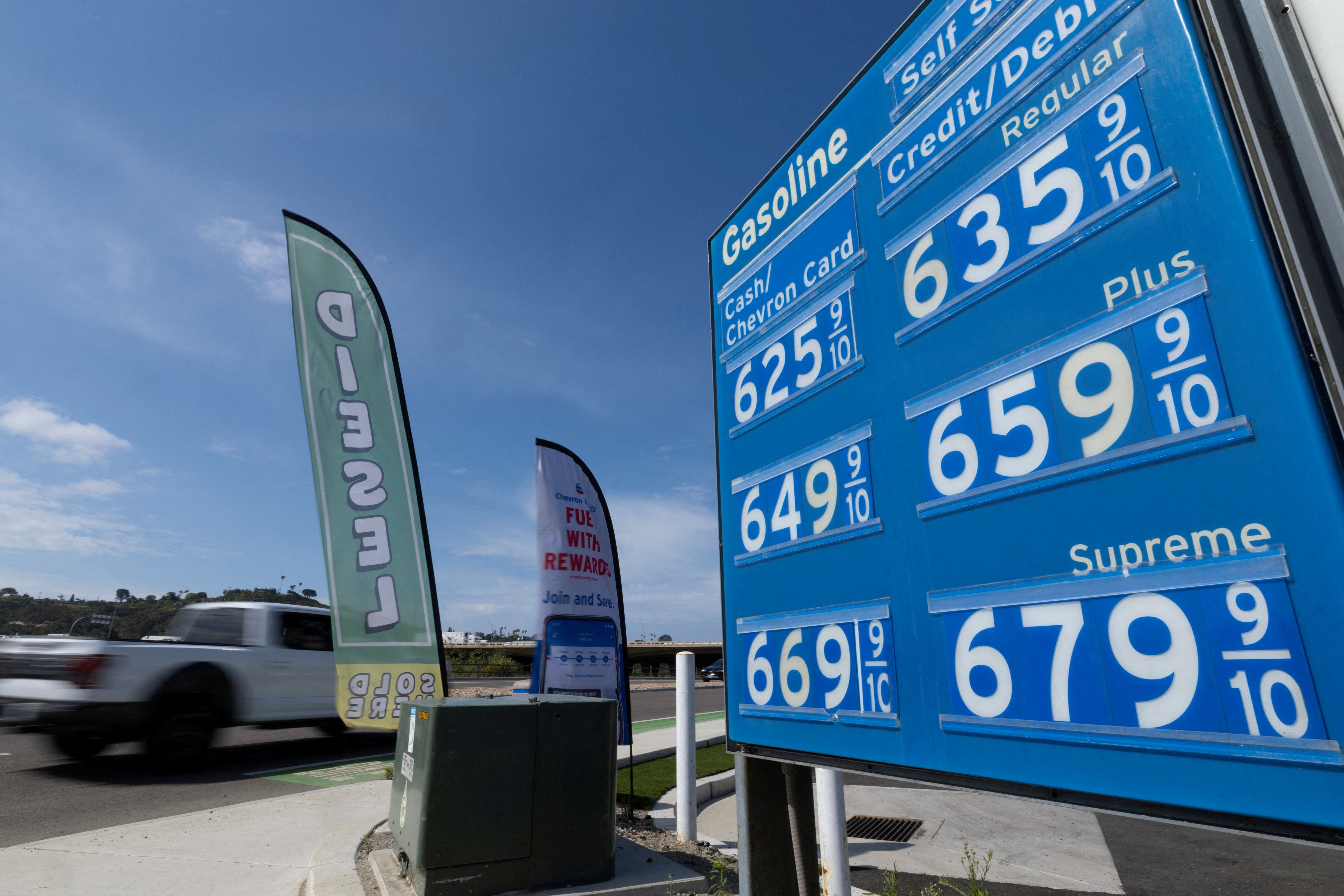
PHOTO CAPTION: FILE PHOTO: The price of gasoline is displayed at a gas station near the highway in Encinitas, California, U.S., April 30, 2026. REUTERS/Mike Blake/File Photo
WASHINGTON/HOUSTON, Aug. 4 — The White House is expected to extend a waiver of the century-old Jones Act in the coming days as President Donald Trump searches for ways to lower gasoline prices, according to people familiar with the discussions.
The expected extension would continue suspending rules requiring cargo transported between U.S. ports to travel on vessels built in the United States, owned by American companies and crewed by U.S. workers.
The administration hopes the waiver will increase shipping flexibility, ease fuel-transport bottlenecks and help reduce gasoline prices.
The oil industry had expected an extension by the end of July. Administration officials, however, have continued meeting with maritime industry representatives and lawmakers about narrowing the waiver while preserving flexibility to move critical fuel supplies.
Three people familiar with the discussions described the talks on condition of anonymity because they were not authorized to speak publicly.
The existing waiver is scheduled to expire Aug. 16. It has already become the longest suspension of Jones Act requirements in the waiver program’s history.
The exemption was used nearly 200 times over four and a half months through the end of July, according to U.S. government data.
No final decision has been made, and the details could still change, the sources said.
Trump presses oil companies over gasoline prices
Trump has limited options for reducing gasoline prices, which are averaging more than $4 a gallon nationally ahead of November’s midterm elections.
The administration has already pursued measures that include efforts to increase oil supplies and provide regulatory flexibility.
Trump increased pressure on Exxon Mobil and Chevron on Monday, saying the companies were making “too much money” and should return money to consumers at the pump.
Bob McNally, president of Rapidan Energy Group, said the most effective option available to a U.S. president would normally be pressing Saudi Arabia to increase oil production.
That option is not currently practical because Saudi exports remain constrained by disruptions near the Strait of Hormuz during the conflict with Iran, he said.
Other possible steps — including a windfall-profits tax, gasoline price controls or legal action against oil companies — would be politically unrealistic, economically risky or unlikely to reduce prices significantly, McNally said.
He said the Jones Act waiver would make more tankers available to transport fuel but would probably lower gasoline prices by only a few cents per gallon.
Maritime groups and Republicans seek restrictions
Critics of extending the waiver are pushing the administration to impose geographic restrictions and examine each shipment more closely.
White House trade adviser Peter Navarro, Office of Management and Budget Director Russell Vought and members of the White House Energy Dominance Council have participated in discussions about the extension, the sources said.
Republican congressional leaders, including House Speaker Mike Johnson and House Majority Leader Steve Scalise, have urged the administration to limit the exemption.
They have warned that broad use of Jones Act waivers could weaken the domestic shipping fleet and undermine the law’s national-security objectives.
A White House official said the administration continued to monitor the waiver’s use and that discussions remained underway.
Any further announcement would come directly from Trump or the administration, the official said.
Maritime industry groups have also intensified their campaign against an extension.
The American Maritime Partnership restarted advertising on CNBC and Fox News, while it and the American Waterways Operators launched digital advertisements.
American Maritime Partnership President Jennifer Carpenter said the waiver had provided greater benefits to foreign shipping operators and energy companies than to American consumers.
“The waiver has shifted routine domestic commerce to foreign operators, including entities linked to China and Russia, while undermining the U.S. maritime industrial base,” Carpenter said.
(Source: Reuters)