Veterans' Presence in Congress Declines
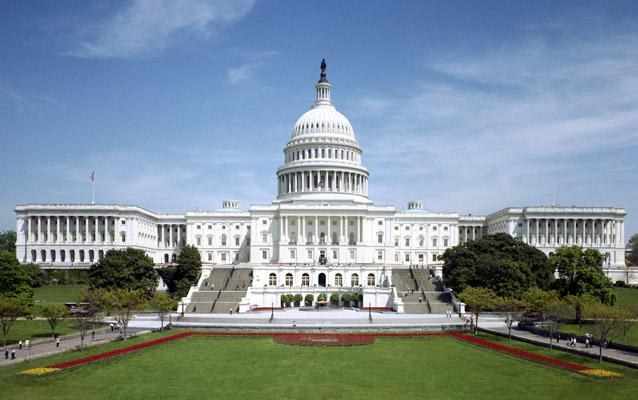
PHOTO CAPTION: The U.S. Capitol building in Washington, D.C. Veterans are projected to make up approximately 15% of the incoming Congress, down from 19% in the current Congress and nearly three-quarters in the early 1970s, according to a Military Times analysis of the November 2026 elections. (National Park Service file photo.)
Fewer members of Congress are expected to have served in the U.S. military than at any point in decades, according to an analysis of the November 3 elections.
Military veterans are projected to represent approximately 15% of the incoming 120th Congress, down from 19% in the current Congress and 27% in 2001, Military Times reported November 5.
The decline is even more striking when compared with the 1970s, when nearly three-quarters of federal lawmakers had military experience.
The numbers are not final. Several congressional elections remained undecided when the analysis was published, and additional veteran candidates could still win their races.
Nevertheless, the projected results continue a long-term shift in the backgrounds of the lawmakers responsible for military spending, oversight, veterans benefits and decisions involving American forces overseas.
That raises an important question: Does having fewer veterans in Congress change how Washington makes decisions affecting the people who serve?
Military Service Once Was Common in Congress
During the decades following World War II, military service was a shared experience among a substantial majority of federal lawmakers.
Many had served during World War II, Korea or Vietnam before beginning their political careers.
According to historical data compiled by the Congressional Research Service, approximately 73% of members of Congress were veterans in 1971.
By 2001, that share had fallen considerably.
Military Times reported that veterans represented approximately 27% of Congress that year and about 19% during the current congressional term.
The incoming Congress could bring the figure to roughly 15%.
The decline reflects a broader change in American society.
The military moved to an all-volunteer force in 1973, and a smaller proportion of Americans now serve than during the major mobilizations of the 20th century.
As a result, fewer Americans reach political office with firsthand military experience.
That trend does not mean veterans have disappeared from government. But it does mean their presence in the legislative branch is much less common than it was several generations ago.
A Record Number of Veterans Ran in 2026
One surprising part of the November election is that the decline in representation came despite substantial interest among veteran candidates.
According to With Honor Action, a nonprofit organization that tracks and supports military veterans seeking elected office, 258 veterans appeared on general-election ballots nationwide.
That was approximately 21% more than in 2024.
The candidates came from across the political spectrum, including Republicans, Democrats, independents and third-party candidates.
At least 11 women veterans are expected to serve in the next Congress, according to the organization's preliminary November 4 assessment, which would establish a new high for simultaneous representation by women who served.
However, the larger number of veteran candidates did not translate into a higher overall share of congressional seats.
Several veteran candidates were still awaiting results as votes continued to be counted.
The precise number of veterans in the incoming Congress will depend on those outcomes.
Veterans From Both Parties Will Serve
The new Congress will include military veterans from both major parties and multiple service branches.
Among the returning lawmakers are Sen. Jack Reed of Rhode Island, an Army veteran who serves on the Senate Armed Services Committee, and Sen. Tom Cotton of Arkansas, a former Army infantry officer.
Navy veteran Elaine Luria is also returning to the House following her election in Virginia.
Army veteran Fred Wellman, a West Point graduate and former helicopter pilot, won a congressional race in Missouri.
Other veterans were among the candidates in close elections that had not yet been fully resolved when Military Times published its analysis.
Their backgrounds vary widely.
Some served in combat. Others held leadership, technical, administrative or support positions.
That diversity matters because military service is not one uniform experience.
An enlisted infantry veteran, a naval aviator, a military physician and a logistics officer can bring different knowledge to discussions about defense policy.
Congress Makes Decisions That Affect Every Service Member
The decline in veteran representation matters because Congress exercises major responsibilities involving the military.
Lawmakers authorize defense programs, appropriate funding and oversee the Department of Defense.
They consider military pay, housing, health care, retirement programs, deployment resources and equipment procurement.
Congress also has constitutional authority to declare war, while the president serves as commander in chief.
Legislators may conduct investigations into military operations, question senior Pentagon officials and examine whether existing laws adequately protect service members.
The House and Senate Veterans' Affairs Committees also oversee benefits and programs for former military personnel.
Those decisions affect veterans long after their military service ends.
Having lawmakers who personally experienced deployments, military bureaucracy, family separations or transition to civilian life can bring practical knowledge into those discussions.
But personal military experience is not the only source of expertise.
Civilian lawmakers can develop substantial knowledge through committee service, oversight, constituent advocacy and professional experience.
Does Military Service Make Someone a Better Lawmaker?
The answer is not straightforward.
Veterans may have firsthand familiarity with military culture, the chain of command and the consequences of decisions made in Washington.
That background can help lawmakers recognize how proposed policies might affect troops in practice.
For example, a legislator who has experienced deployment may understand the effects of extended separations on military families.
A veteran who navigated the VA claims process may also recognize problems that are less obvious to someone without that experience.
But military service does not automatically make someone an effective legislator, guarantee a particular position on foreign policy or establish expertise in every defense issue.
Veterans themselves disagree on questions involving military intervention, defense spending, personnel policies and veterans benefits.
Some advocate greater military engagement abroad, while others favor a more restrained approach.
A lawmaker's voting record, judgment, willingness to conduct oversight and understanding of military operations remain important regardless of service history.
The issue is therefore not whether only veterans should make military decisions.
It is whether the continued decline in firsthand experience changes the discussions that take place before those decisions are made.
Fewer Veterans in Congress Reflect a Changing Country
The shrinking proportion of veterans in Congress also follows the declining share of Americans who have served.
Historically, Congress had a much larger veteran population partly because military service was far more common among the generations entering public office.
Research by the Congressional Research Service has documented how changes in military participation among the broader population corresponded with changes in congressional membership.
Veterans have also historically been represented in Congress at higher rates than their share of the general population.
That complicates the idea that a lower congressional percentage necessarily means veterans have less political influence than their population would otherwise suggest.
Still, the difference between the early 1970s and today is substantial.
An experience once shared by most federal lawmakers is now held by a relatively small minority.
What Happens When Congress Debates the Next War?
The decline comes at a time when military operations, defense spending and the treatment of service members remain major national issues.
The United States continues to face difficult questions about overseas military commitments, equipment readiness, recruiting, veterans health care and the cost of supporting a modern force.
Those issues require elected officials to evaluate military advice, challenge assumptions and consider consequences for troops and their families.
Military veterans may bring useful perspectives to those debates.
But effective oversight also depends on lawmakers who seek reliable information, understand the limits of military power and hold officials accountable regardless of party affiliation or military background.
The coming Congress will have fewer members with firsthand military experience than earlier generations of lawmakers.
Whether that changes military policy cannot be determined from the election totals alone.
What is clear is that the country is approaching a point where approximately 85% of its lawmakers may have never served in uniform.
Those lawmakers will still be responsible for deciding how the military is funded, where American troops are sent and what support veterans receive after their service ends.
(Source: OAF Nation)