Veterans' GI Bill Fraud Convictions
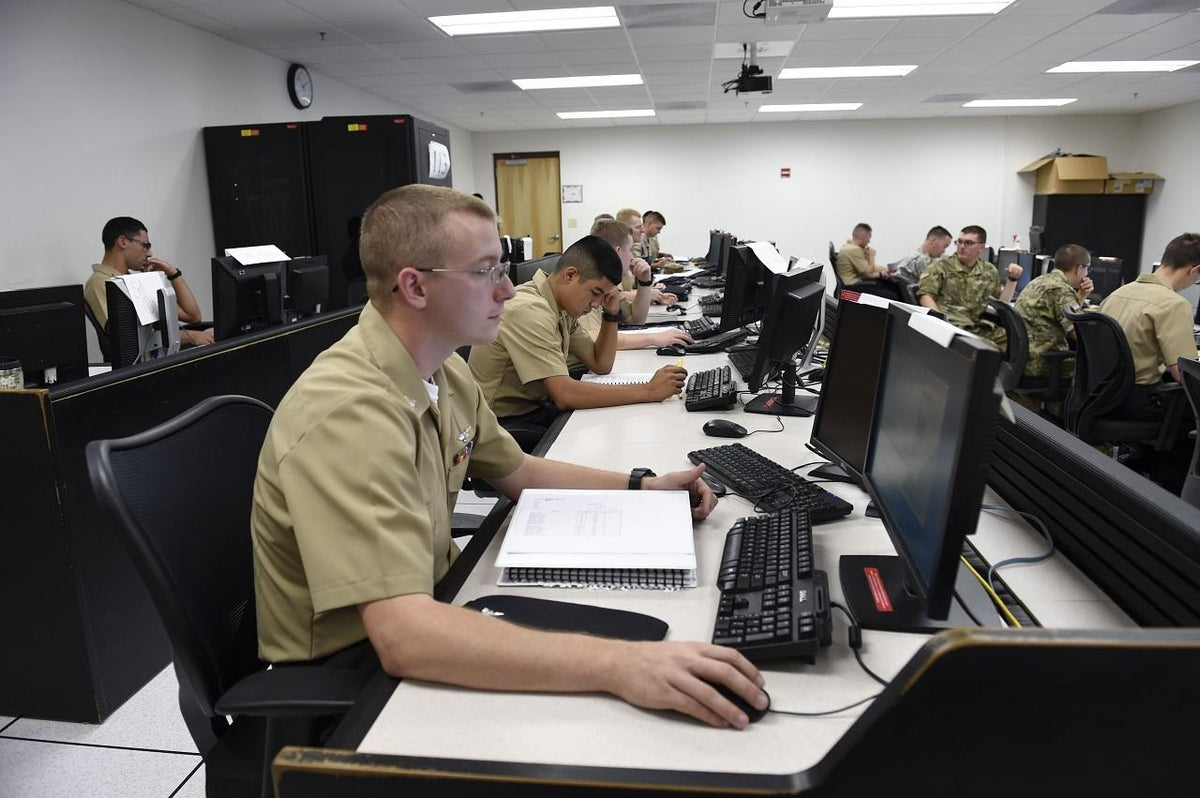
PHOTO CAPTION: U.S. Navy students learn about computer components during information technology training in October 2022. Federal prosecutors announced November 17, 2026, that two private training-school operators were convicted in a scheme involving veterans' GI Bill benefits and promises of valuable IT certifications and high-paying careers. (U.S. Navy photo by Kurt Van Slooten / Illustrative file photo)
Two operators of private technology training schools have been convicted in a federal fraud scheme that targeted military veterans with promises of valuable cybersecurity certifications and high-paying careers.
Instead, prosecutors say veterans were charged a year's worth of GI Bill benefits for programs lasting only a few months, often leaving them with little meaningful certification or employment opportunities.
On November 17, the Department of Justice announced that a federal jury found Zachary Somers Hiscock, 42, of Arizona, and Arif Hasan Sayed, 55, of California, guilty of wire fraud and conspiracy to commit wire fraud.
Each defendant faces a statutory maximum of 60 years in federal prison, although their actual sentences have not been determined.
Sentencing hearings are scheduled for January 6, 2027.
Veterans Recruited With Promises of High-Paying Tech Careers
According to federal prosecutors, Hiscock operated New Horizons of Phoenix, a for-profit training school in Arizona.
Sayed operated ABCO Technology, another for-profit institution based in Los Angeles.
Both schools offered training in fields such as cybersecurity, information technology, and computer programming.
For veterans preparing to transition into civilian careers, those programs appeared to offer a path into growing technology industries.
A recruiter named Kyle Blake Kotecha promoted the programs to veterans with promises that completing their courses could lead to valuable industry certifications and lucrative employment.
But prosecutors said many veterans exhausted a full year of GI Bill benefits on programs that lasted only a few months.
According to the federal indictment, courses involved in the broader scheme lasted approximately eight to 13 weeks, with tuition charges ranging from $15,000 to $23,000 per veteran.
Only a small fraction of students went on to seek or obtain the certifications the programs purported to teach, prosecutors alleged.
Schools Paid Recruiter a Cut of Veterans' Benefits
At the center of the criminal case was a recruiting arrangement prohibited by Department of Veterans Affairs regulations.
Schools receiving GI Bill tuition benefits are not permitted to compensate recruiters based on the amount of tuition revenue generated by the veterans they enroll.
The rule is intended to discourage institutions from aggressively recruiting veterans primarily to collect their government-funded education benefits.
But evidence presented at trial established that Hiscock and Sayed worked with Kotecha to recruit veterans using commission-based payments.
According to prosecutors, the schools paid Kotecha approximately 20% of the GI Bill benefits they received from students he recruited.
That meant the more veterans he enrolled, the more money the recruiter earned.
Federal authorities said the defendants concealed those arrangements by submitting false certifications to regulators, using coded terminology in their communications, and falsifying records.
VA Revenue Surged Into the Millions
The financial impact of the recruiting arrangements was substantial.
According to the Justice Department, New Horizons of Phoenix received approximately $65,000 in VA-related revenue in 2018.
By 2021, that figure had climbed to $2.28 million.
ABCO Technology experienced a similar increase.
Its VA-related revenue rose from approximately $359,000 in 2018 to $2.92 million in 2021.
Those figures reflect the schools' reported VA-related revenue, not a court-established total of stolen money or a final restitution amount.
Still, prosecutors said the growing revenue demonstrated the financial benefits of the unlawful recruiting operation.
The case also involved efforts to conceal the arrangements when state and federal regulators examined the schools' practices.
Two Convicted, Four Others Plead Guilty
Hiscock and Sayed were convicted following a federal jury trial.
Three other defendants connected to the broader conspiracy, Timothy Slater, Nikhil Patel, and Gangadhar Bathula, previously pleaded guilty and are awaiting sentencing.
Kotecha, the recruiter, also pleaded guilty in a separate case and is awaiting sentencing.
The Department of Veterans Affairs Office of Inspector General investigated the case.
The November 17 announcement did not specify a final restitution amount or establish whether affected veterans will have their education benefits restored.
The Cost Goes Beyond Tuition
The Post-9/11 GI Bill is intended to help service members and veterans pursue education and career opportunities after military service.
Eligible veterans can use those benefits for college, vocational programs, technical training, and other approved educational opportunities.
But the benefit is limited.
When veterans use months of their educational entitlement, those months generally are no longer available for future schooling unless a specific restoration provision applies.
That makes misleading training programs especially consequential.
A veteran who spends significant GI Bill entitlement on a program that fails to provide promised educational opportunities may have fewer benefits remaining to pursue a legitimate degree or certification elsewhere.
And unlike a typical consumer who can simply seek another training course, veterans may have already exhausted resources earned through years of military service.
Accountability After Years of Fraud
The convictions come amid broader federal scrutiny of schools and companies accused of exploiting veterans' education programs.
The Justice Department has increased enforcement efforts involving fraud against VA benefits and other programs serving veterans.
The case against Hiscock and Sayed illustrates how recruitment incentives can create financial pressure to enroll veterans regardless of whether a program provides the education or career opportunities advertised.
The two men now await sentencing in January.
For the veterans who enrolled, however, the consequences may extend beyond the criminal case.
They earned their education benefits through military service. Prosecutors say those benefits instead helped fuel a recruiting scheme built around promises of certifications and careers that often never materialized.
(Source: OAF Nation)