VA Hospital Delays Emergency Surgery
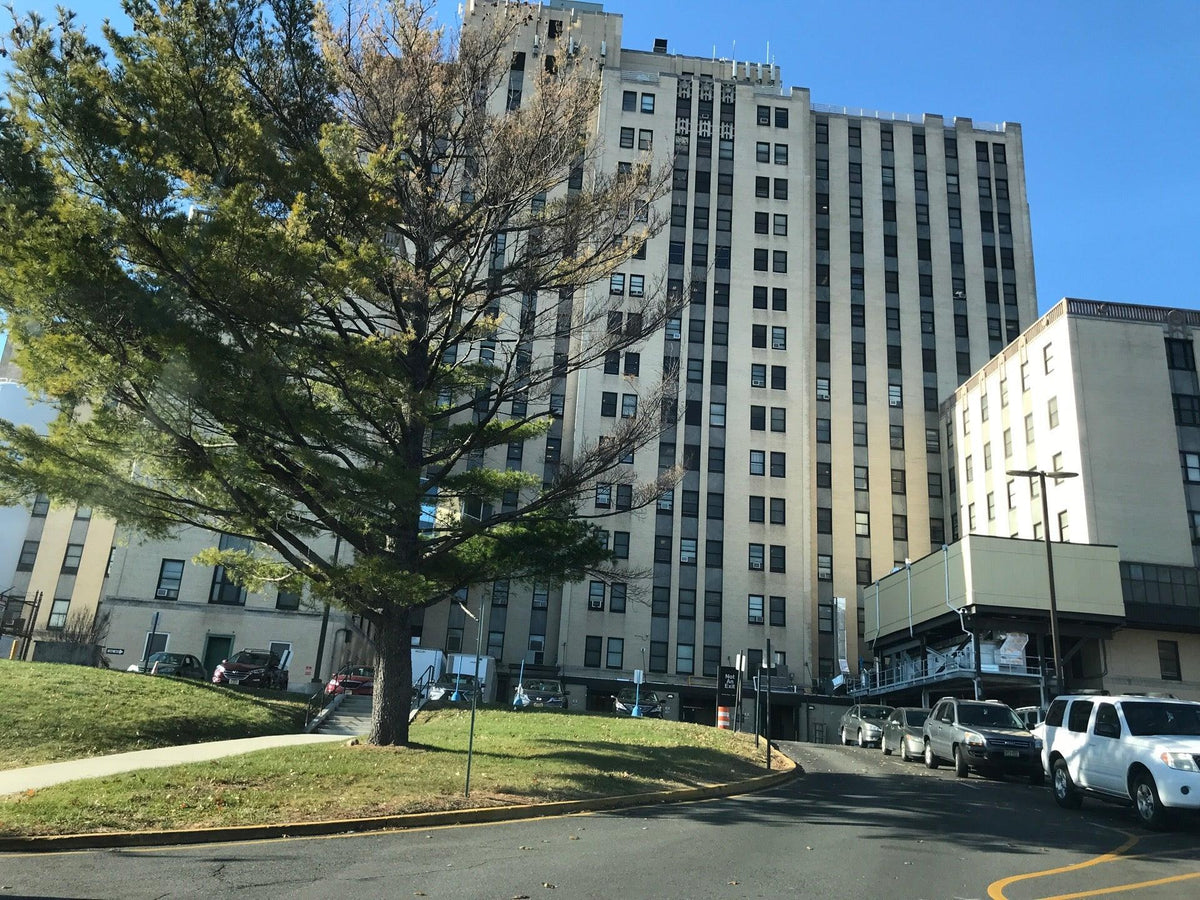
PHOTO CAPTION: The East Orange VA Medical Center in New Jersey, where 80-year-old Navy veteran John Falchetto sought emergency treatment for a ruptured appendix in February 2026. According to a ProPublica investigation published November 11, the hospital's operating room was unavailable, and Falchetto waited overnight for a transfer to another VA facility. He underwent surgery but died on March 7. Whether the treatment delay caused his death remains unknown. (Illustrative file photo. Photographer credit pending verification.)
John Falchetto survived a deadly attack on his Navy riverboat during the Vietnam War.
Decades later, the 80-year-old veteran arrived at a Department of Veterans Affairs hospital in New Jersey with a ruptured appendix and a life-threatening infection.
Doctors determined that he needed emergency surgery.
But the operating room was unavailable.
A new ProPublica investigation published on Veterans Day reveals that Falchetto waited through the night as hospital staff arranged to transfer him elsewhere. By the time he reached another VA hospital and underwent surgery, approximately 12 hours had passed since his arrival at the original emergency room.
He never recovered.
Falchetto died March 7, 2026, following worsening septic shock and a catastrophic heart attack.
The investigation also documents serious staffing shortages and disruptions to medical services at the East Orange VA Medical Center, where multiple veterans reportedly experienced delays in critical care.
Whether the delay caused Falchetto's death remains unknown. He was already gravely ill when he arrived, and investigators could not establish that earlier treatment would have saved his life.
A Navy Veteran Who Survived Vietnam
Falchetto served aboard a Navy riverboat during the Vietnam War.
According to ProPublica, the vessel came under devastating rocket fire, killing the other people aboard.
Falchetto survived.
Years later, after turning 80, he began experiencing severe abdominal pain.
By February 12, his condition had deteriorated enough that he sought treatment at the VA hospital in East Orange, New Jersey.
Medical records reviewed by ProPublica describe abdominal pain, vomiting and diarrhea.
A CT scan indicated that his appendix had ruptured and become gangrenous. The infection had spread into his abdomen, creating an emergency requiring surgery.
His physicians recognized the urgency.
But the East Orange facility could not provide the operation he needed.
Hospital Operating Room Had Been Closed
The operating room's problems began months earlier.
In December 2025, a malfunction involving the facility's ventilation system contaminated surgical instruments and forced the operating room to close.
The hospital, which is approximately 70 years old, had a history of infrastructure problems.
Those difficulties were compounded by shortages among the maintenance personnel responsible for keeping critical building systems functioning.
According to ProPublica, the operating room remained closed for roughly three weeks after the December malfunction.
It later reopened for scheduled procedures but continued to be unavailable for emergency and after-hours operations for more than another month.
That limitation was still affecting patients when Falchetto arrived in February.
Records reviewed by the news organization show that his doctors identified the need for immediate treatment but could not operate locally.
Instead, they sought to transfer him to the Manhattan VA hospital.
A Transfer Delayed Until Morning
Falchetto arrived at East Orange during the early evening of February 12.
Around midnight, arrangements were made to send him to the Manhattan VA, located less than an hour away under ordinary driving conditions.
But the hospital did not arrange an immediate emergency transfer.
Instead, transportation was scheduled for the start of the morning shift, around 7 a.m.
Falchetto remained at East Orange overnight.
He was finally transported on February 13, approximately 12 hours after his original arrival.
When he reached Manhattan, surgeons operated immediately.
They found severe complications from the ruptured appendix, including contamination inside his abdomen.
Doctors also documented sepsis, a potentially fatal response to infection.
Despite surgery, his condition worsened.
He developed septic shock and suffered a catastrophic heart attack about a week later.
After doctors observed little remaining brain activity, he was transferred to hospice.
He died on March 7.
One physician involved in his case told ProPublica that the surgery should have happened immediately.
However, the investigation did not establish that the delay was the cause of his death.
His underlying medical emergency was severe, and even prompt treatment might not have prevented the outcome.
Another Vietnam Veteran Waited for Cancer Treatment
Falchetto's case was not the only serious medical delay documented in the investigation.
ProPublica also examined the experience of a 72-year-old Vietnam veteran identified as Dennis, whose last name was withheld at his family's request.
Dennis had advanced colorectal cancer that was causing painful bleeding.
Radiation treatment could have reduced his symptoms and might have extended his life.
But East Orange had suspended radiation services after losing a medical physicist needed to maintain and calibrate treatment equipment.
In early August, Dennis was referred to the VA's Community Care program, which arranges treatment through providers outside the VA system.
That program was also struggling with staffing shortages and growing demand.
Medical staff repeatedly requested urgent treatment for him.
He eventually received an appointment for a radiation consultation scheduled for September 12.
He died September 4, before that appointment took place.
ProPublica interviewed cancer specialists who questioned the length of the delay. At minimum, some said, the wait likely prolonged his suffering.
The investigation does not establish that earlier radiation would have saved Dennis.
Staffing Shortages Spread Across the Hospital
The cases were documented against a broader decline in staffing at the East Orange VA.
According to data cited by ProPublica, the number of positions classified as experiencing severe shortages rose from approximately 30 to 90 over two years.
The affected positions included surgeons, nurses, oncologists, radiologists, anesthesiologists, critical care physicians, medical technicians and maintenance workers.
Six months into the current administration, the facility had lost two of its four general surgeons, 18 nurses and five psychologists, according to records obtained by the news organization.
Staff departures also affected wound care and diagnostic testing.
At one point, eight of approximately 60 general admission beds were taken out of service because of nursing shortages.
The hospital's associated nursing home also reduced the number of residents it could accept.
ProPublica documented occasions when veterans who needed inpatient admission remained in the emergency department because beds were unavailable.
The reporting included interviews with more than two dozen current and former VA employees, along with veterans, relatives and others familiar with the facility.
VA Disputes Claims That Care Has Declined
The Department of Veterans Affairs challenged ProPublica's broader characterization of the healthcare system.
VA spokesperson Quinn Slaven said the department has improved services and pointed to record numbers of appointments completed through both VA facilities and outside healthcare providers.
The department also cited performance measures showing that East Orange compares favorably with private hospitals in certain areas, including diabetes care and some cancer screening services.
VA officials emphasized that the agency continues to serve millions of veterans and that expanding access through Community Care remains part of its strategy.
The department did not provide detailed responses to ProPublica's questions about the operating room closure or the individual care delays described in the investigation.
It cited patient privacy restrictions in declining to discuss specific medical cases without appropriate authorization.
The VA also argues that its official shortage figures concern recruiting difficulties and should not automatically be interpreted as proof that positions are unfilled or patients are receiving inadequate treatment.
Questions About VA Staffing and Accountability
The investigation connects the East Orange difficulties to federal workforce changes and staff departures during President Donald Trump's second administration.
ProPublica reports that approximately 3,800 mission-critical VA employees, including medical workers, had left the agency without being replaced during the first six months of the administration.
The VA has maintained that its workforce changes are intended to reduce unnecessary bureaucracy while protecting direct patient care.
The department has also emphasized increased appointment volume as evidence of improved access.
Those competing assessments raise an important distinction.
A healthcare system can report higher overall appointment numbers while still experiencing serious shortages in particular hospitals or specialties.
The East Orange investigation documents examples in which essential services were unavailable, including emergency surgery, radiation treatment and some diagnostic procedures.
The record does not establish that every service disruption resulted from a specific federal staffing policy. Some infrastructure and personnel problems predated the current administration.
But the experiences described by hospital employees illustrate how existing problems can become more difficult to manage when vacancies persist and experienced workers leave.
An Operating Room Closed Again
The problems did not end with Falchetto's death.
ProPublica reported that, shortly before publication, a doctor at East Orange said a backup generator had failed and the operating room had closed again.
That development raises further questions about the hospital's ability to maintain services needed for urgent patient care.
The VA did not provide a detailed public explanation of the latest closure in its response to the investigation.
For Falchetto's family, the February events have already had irreversible consequences.
His brother, Tony, told ProPublica he knew Falchetto had suffered appendicitis but had not understood that the East Orange operating room was unavailable when he arrived.
The investigation leaves one medical question unanswered: Would faster surgery have changed the outcome?
What the documented timeline does show is that a seriously ill veteran reached a federal hospital, doctors determined he needed emergency treatment, and that hospital could not perform the operation.
He was transferred the following morning and died weeks later.
Published on Veterans Day, the investigation puts renewed attention on the ability of the nation's veterans healthcare system to provide timely treatment when patients need it most.
(Source: OAF Nation)