USS Lincoln Returns After 321 Days
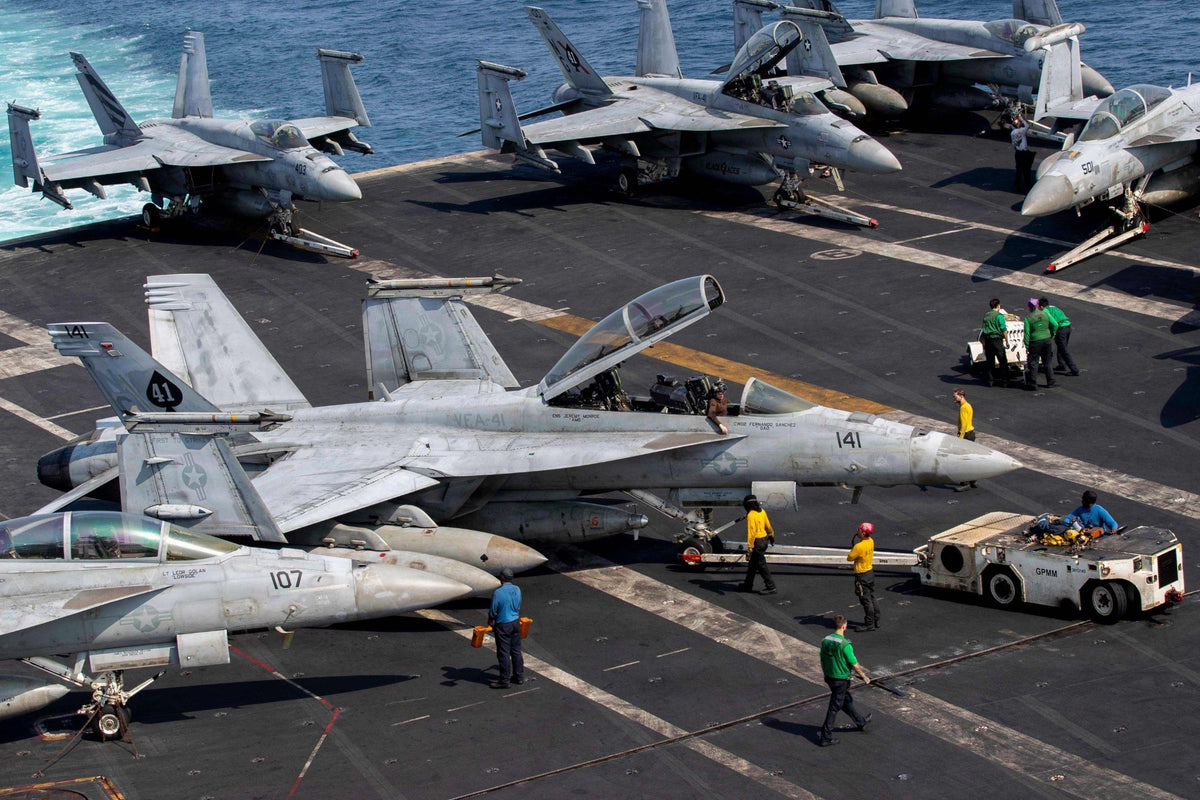
PHOTO CAPTION: Two F/A-18E Super Hornets fly over USS Abraham Lincoln during operations in the U.S. 7th Fleet area on September 23, 2026. The carrier is returning to San Diego following an extended deployment during which the Navy reported eight suicide attempts across its strike group. U.S. Navy photo by Seaman Angel Campbell.
The aircraft carrier USS Abraham Lincoln is returning to San Diego on October 8 following a 321-day deployment that included intense combat operations against Iran, months without a port visit and growing concerns about the mental health of its sailors.
The homecoming comes after Acting Navy Secretary Hung Cao disclosed that eight service members assigned to the Lincoln Carrier Strike Group had attempted suicide during the deployment.
The figure, revealed in September in a letter to Sen. Kirsten Gillibrand, includes personnel assigned to the aircraft carrier, its embarked air wing and accompanying warships.
No service members in the strike group died by suicide during the deployment, according to the Navy.
The Lincoln departed Naval Air Station North Island in November 2025 for what was initially a deployment to the Pacific.
Its mission changed when the carrier was redirected to the Middle East as the United States and Israel began military operations against Iran.
The carrier and its accompanying warships subsequently spent months supporting combat operations, including airstrikes and other missions in the region.
The deployment was repeatedly extended, leaving thousands of sailors separated from their families far longer than originally anticipated.
The ship also spent more than eight consecutive months at sea without a port call, an unusually long stretch for a modern American aircraft carrier.
During that period, sailors faced disrupted supply deliveries, limited opportunities to communicate with family members and demanding operational schedules.
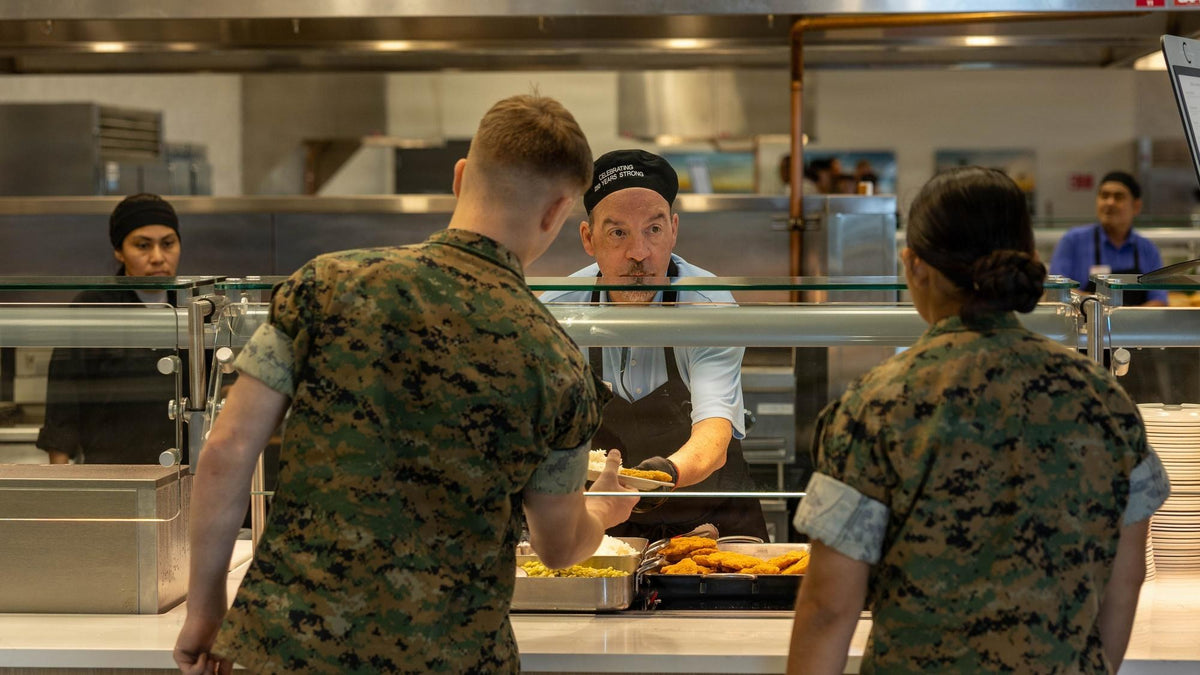
Concerns about conditions aboard the carrier intensified after reports emerged of food shortages, reduced access to personal hygiene products and deteriorating morale.
The Navy disputed some characterizations of those conditions, saying the ship continued to provide meals and essential services despite wartime resupply challenges.
However, the mental health concerns became more concrete when Cao provided information about suicide attempts across the strike group.
In his September response to Gillibrand, Cao confirmed that eight service members had attempted suicide since the deployment began.
Two of the reported incidents involved sailors attempting to go overboard from the Lincoln.
In one case during the spring, fellow sailors prevented a service member from jumping from the carrier.
In another incident in August, a sailor went overboard and was subsequently rescued.
Both were transferred off the ship for care, according to the Navy.
The disclosed incidents prompted questions from lawmakers about whether the Navy had adequately supported personnel during the extended deployment.
Gillibrand and other members of Congress sought additional information about living conditions, mental health services and the decisions to repeatedly extend the mission.
The eight attempts do not, by themselves, establish that the deployment caused the incidents.
Navy-wide data show that suicide attempts occur across the service, and comparisons with previous reporting periods suggest the Lincoln strike group's reported number was not necessarily outside historical rates.
Nevertheless, the disclosure highlighted the pressures associated with extended combat deployments and the challenges commanders face when balancing operational demands with personnel welfare.
Defense Secretary Pete Hegseth visited the carrier on October 7, one day before its scheduled return.
Speaking to sailors, Hegseth acknowledged the length and difficulty of the deployment while praising the crew for its performance during the Iran conflict.
He also presented the Lincoln Carrier Strike Group with the Presidential Unit Citation, recognizing its conduct during sustained combat operations.
According to Defense Department figures, the deployment included thousands of combat sorties and extensive strikes against Iranian military targets.
Hegseth defended the deployment decisions and said the crew had fulfilled an extraordinarily demanding mission.
The Navy has also emphasized the resilience of its sailors and the support services available to personnel and their families.
The Lincoln's return ends more than ten months away from its San Diego homeport.
For thousands of sailors and Marines, it also begins the process of returning to their families and recovering from one of the most demanding deployments in the carrier's recent history.
The homecoming is expected to bring celebrations at Naval Air Station North Island, while questions about deployment length, mental health resources and leadership decisions remain part of the Navy's broader discussion about sustaining its forces during prolonged combat operations.
(Source: OAF Nation)