Article: Hegseth Orders IG Complaint Overhaul
Hegseth Orders IG Complaint Overhaul
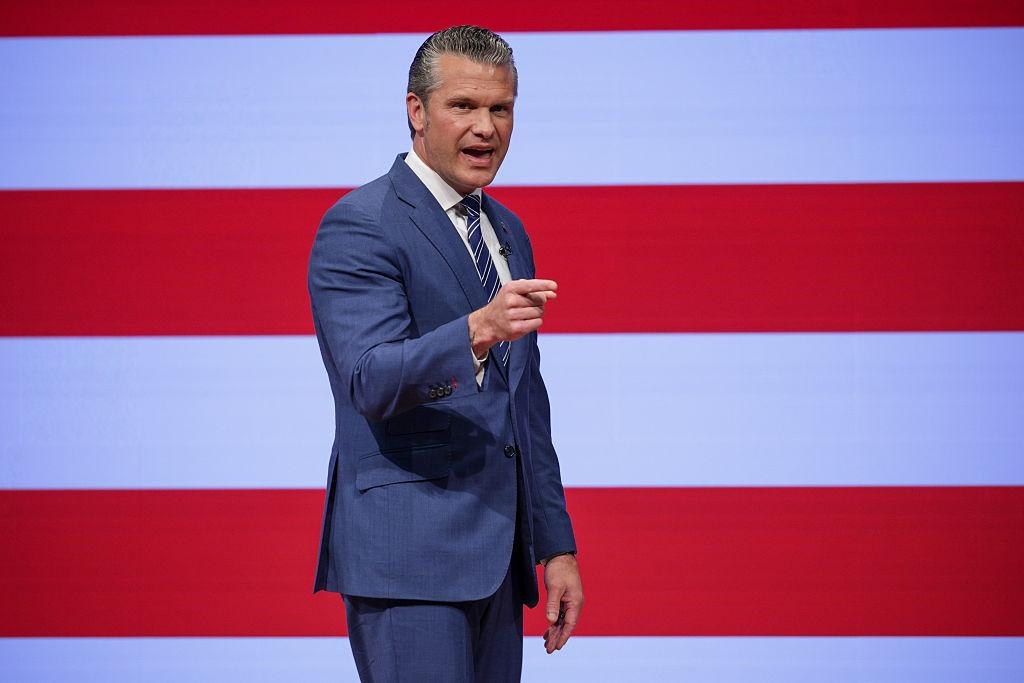
PHOTO CAPTION: Defense Secretary Pete Hegseth addresses military officers and enlisted leaders at Marine Corps Base Quantico, Virginia, on September 30, 2026. A week later, he directed all military departments to align their Inspector General complaint procedures with the Pentagon's existing reforms. U.S. Air Force photo by Master Sgt. Brycen Guerrero.
Defense Secretary Pete Hegseth has directed every military department to bring its Inspector General complaint procedures into line with a Pentagon policy that places tighter restrictions on anonymous allegations and increases commanders' authority to handle complaints.
The October 7 announcement expands implementation of an overhaul Hegseth first introduced in September 2025 under his "No More Walking on Eggshells" initiative.
In a video statement, Hegseth said the Inspector General system had become overwhelmed by frivolous complaints and allegations that unfairly damaged military careers.
He argued that commanders had been forced to spend too much time responding to complaints lacking sufficient evidence instead of maintaining discipline and readiness.
Under the framework he described, investigations should no longer be initiated solely on speculation, personal grievances or hearsay.
Instead, complaints must meet credibility standards before investigators determine whether further action is warranted.
One of the most significant changes involves anonymous allegations.
Hegseth said anonymous Inspector General complaints will generally be considered only when they involve fraud, waste and abuse, or provide specific, credible evidence of substantial wrongdoing, unlawful conduct or a substantial and specific danger to public health or safety.
Anonymous complaints are therefore not completely prohibited.
The new directive requires the military departments to align their procedures with the Pentagon's existing approach, extending the standards throughout the armed forces.
Hegseth also emphasized restoring authority to commanders, arguing that they should have greater responsibility for identifying problems and addressing misconduct within their units.
"Commanders are now back in charge," he said in the announcement.
The policy is part of a broader effort to change how the military handles Inspector General, Equal Opportunity and Military Equal Opportunity complaints.
When Hegseth initially announced the reforms in September 2025, he called for quicker dismissal of complaints lacking credible evidence, shorter investigation timelines and greater accountability for individuals who knowingly submit false allegations.
He argued that military leaders should be able to enforce standards involving appearance, physical fitness, discipline and performance without facing investigations based solely on dissatisfaction with lawful orders.
Hegseth has also said legitimate misconduct, including harassment, racism and other unlawful behavior, must still be addressed.
The October announcement does not eliminate the Inspector General system or remove all avenues for service members to report wrongdoing.
However, the changes have raised concerns among some former military legal officials and organizations that support service members filing complaints.
Critics argue that anonymous reporting provides an important safeguard for personnel who fear retaliation, particularly when allegations involve their own commanders or senior leaders.
They warn that restricting anonymous complaints or giving commanders greater influence over initial decisions could discourage legitimate reports.
Supporters of the overhaul argue that the system also needs protections against unsupported allegations that can disrupt units and damage reputations before investigations determine whether misconduct occurred.
The disagreement centers on how to balance independent oversight, protection for whistleblowers and the authority of commanders to maintain discipline.
Inspector General offices investigate allegations involving misconduct, abuse of authority, fraud and other violations. They are intended to provide a reporting channel separate from the normal chain of command.
Federal law also provides whistleblower protections for service members who make certain protected communications, including reports to inspectors general and members of Congress.
Hegseth's video did not provide detailed implementation timelines for each military department or explain how every category of complaint would be handled under the revised procedures.
The precise effects will depend on the written guidance adopted by the services and how those standards are applied.
For now, the October 7 order represents another step in implementing Hegseth's military-wide complaint reforms, with greater screening of allegations and an increased emphasis on resolving problems through commanders.
The changes could affect how service members report wrongdoing, how investigations are initiated and how military leaders respond when complaints are filed against personnel under their command.
(Source: OAF Nation)