U.S. Resumes Strikes on Cartel Boats
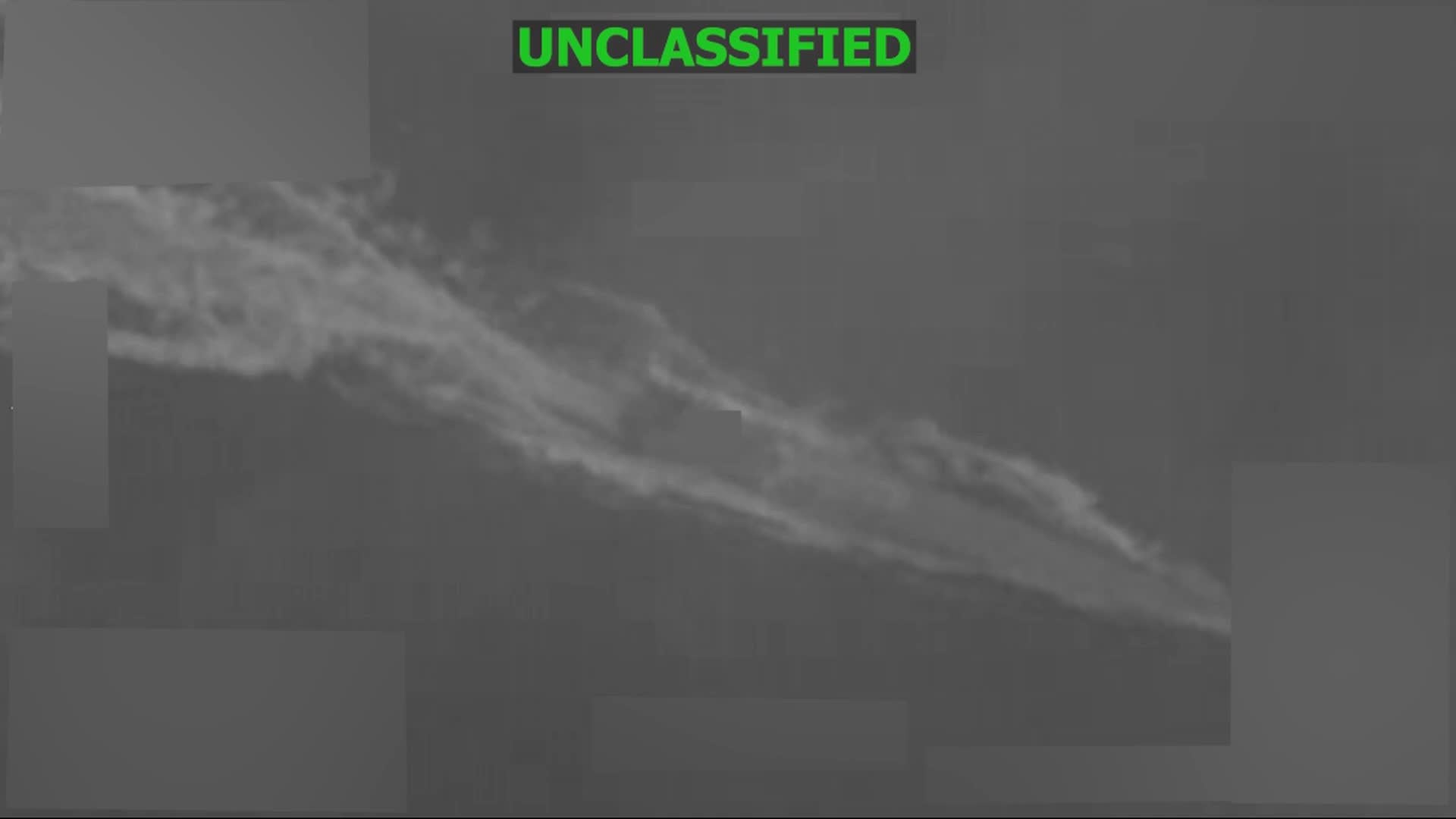
PHOTO CAPTION: An unclassified aerial image shows a vessel U.S. Southern Command says was actively involved in narcotics trafficking in the eastern Pacific shortly before a U.S. military strike on Aug. 23, 2026. Credit: U.S. Southern Command
The U.S. military carried out a lethal strike Sunday against a vessel it says was actively involved in drug trafficking in the eastern Pacific, killing two people and marking an apparent return to a controversial campaign of military attacks on suspected cartel boats.
U.S. Southern Command announced the Aug. 23 strike early Monday, saying Joint Task Force Western Hemisphere targeted what it described as a “low-profile vessel” operating along established narcotics-trafficking routes.
SOUTHCOM said intelligence confirmed the vessel was actively involved in narcotics trafficking and identified the two people killed as “narco-terrorists.” The command did not publicly identify the men, name a specific cartel or disclose what drugs or other cargo were allegedly aboard the vessel.
The military released nine seconds of unclassified aerial footage showing the vessel underway before it is struck and engulfed in an explosion.
“This operation is a clear and decisive reminder that SOUTHCOM is taking the fight directly to the cartels,” Gen. Francis L. Donovan, commander of U.S. Southern Command, said in announcing the strike.
Donovan said the recently established Joint Task Force Western Hemisphere was created to accelerate and coordinate operations against criminal organizations the administration classifies as narco-terrorist networks.
“We will not permit narco-terrorists to operate with impunity in the Western Hemisphere, nor will we allow their deadly poison to reach American communities,” Donovan said.
The Aug. 23 attack appears to be the first publicly announced U.S. military strike against a suspected narcotics vessel in more than two months. The previous campaign has targeted vessels in both the eastern Pacific and Caribbean since September 2025.
The Trump administration has argued that designated drug-trafficking organizations pose a national-security threat and has asserted that the United States is engaged in an armed conflict with certain cartel organizations.
That approach has dramatically expanded the military’s role in counterdrug operations that historically relied heavily on Coast Guard interdictions and law-enforcement arrests.
The campaign has also generated an intense legal and political fight in Washington.
Administration officials maintain the military strikes are lawful and based on intelligence and military targeting procedures. Secretary of State Marco Rubio told senators in June that military lawyers review strikes and make legal determinations before attacks are carried out.
Critics, including some members of Congress and outside legal experts, argue suspected traffickers should be intercepted and prosecuted rather than targeted with lethal military force unless they pose an imminent military threat.
Sen. Tim Kaine of Virginia has repeatedly challenged the administration’s legal basis for the campaign, while Sen. Rand Paul of Kentucky has also raised questions about the criteria used to determine who can be targeted.
The Pentagon inspector general announced in May that it would review whether military forces followed established targeting procedures during the vessel-strike campaign. That review focuses on the military targeting cycle rather than deciding the broader question of whether the administration has legal authority to conduct the strikes.
By mid-July, the Washington Office on Latin America, which has tracked SOUTHCOM announcements, counted 67 vessels struck in 63 separate attack events and 221 people reported killed or presumed dead since the campaign began.
The Aug. 23 strike also represents the first publicly announced lethal action attributed to Joint Task Force Western Hemisphere since SOUTHCOM established the organization earlier this month.
For Donovan, the mission is not simply traditional drug interdiction.
“We are committed to imposing total systemic friction on narco-terrorists,” he said, describing an effort to disrupt cartel operations, dismantle leadership and prevent drugs from reaching the United States.
SOUTHCOM has not said whether additional strikes are planned, but Sunday’s attack makes clear that lethal military action against suspected trafficking vessels remains part of the U.S. counter-cartel campaign.
(Source: OAF Nation)