U.S. and Iran Exchange Strikes
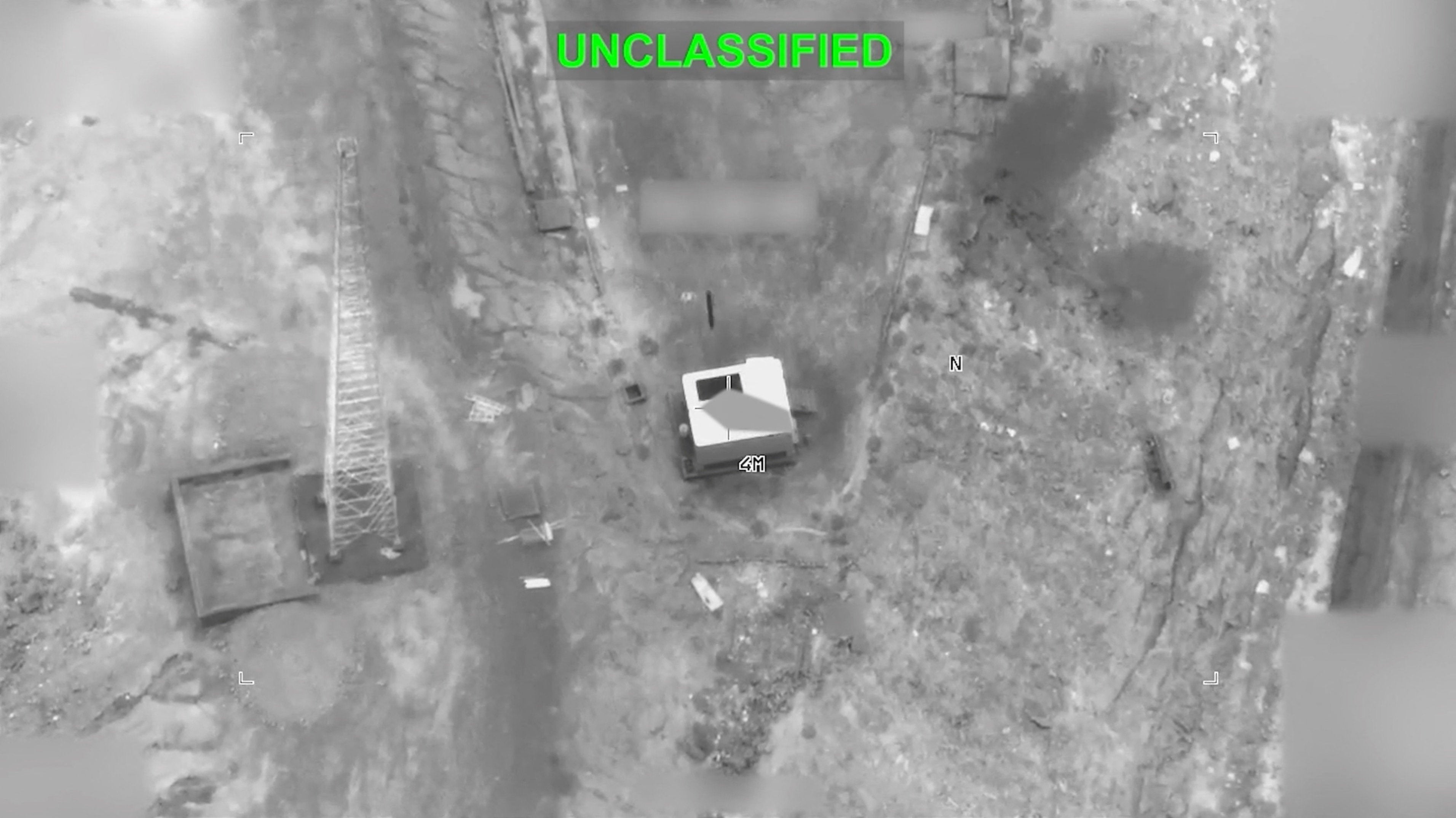
PHOTO CAPTION: A screengrab from a video obtained from social media on September 1, 2026, shows a view shortly before what U.S. Central Command (CENTCOM) says was a U.S. strike on an Iranian military target. U.S. Central Command/Handout via REUTERS
WASHINGTON/CAIRO/DUBAI, Sept. 2 — The United States and Iran exchanged their heaviest attacks since July on Wednesday, with U.S. forces striking targets along Iran’s southern coast and Tehran launching missiles and drones at American bases across the Middle East.
The United States threatened additional strikes, while Iran accused Washington of hitting a wedding celebration in the southern coastal region of Sirik, killing five people and wounding dozens. Reuters could not independently verify that incident, and U.S. officials did not comment on it.
Asian and European stocks fell after the renewed U.S. airstrikes helped push oil prices back to levels not seen since July, adding to economic pressure already being driven by disrupted energy supplies and a global bond selloff.
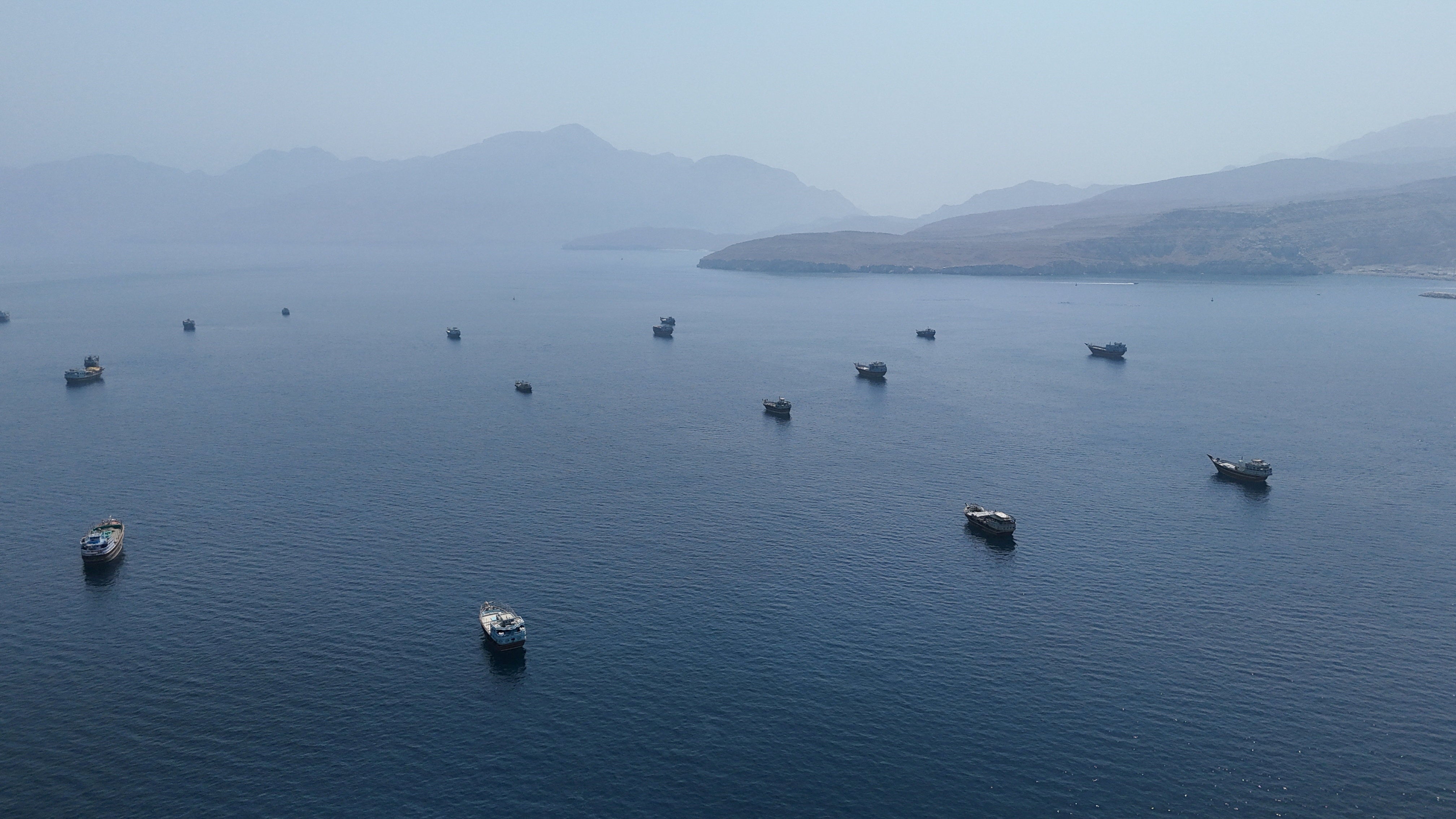
The U.S. military said Tuesday’s strikes targeted Islamic Revolutionary Guard Corps air defenses, radar systems, maritime assets, mine-laying capabilities and communications sites. Iran reported attacks on multiple locations near the Strait of Hormuz, where Tehran has threatened vessels attempting to transit without its permission.
“Last night was like the end of the world,” Mahmoud, 38, a municipal worker in Sirik County along the strait, told Reuters by telephone.
Iran targets U.S. bases across region
Iran said it struck U.S. assets in Bahrain, Jordan, Kuwait and Iraq and declared that its broader goal was to force American forces out of their network of military bases across the Middle East.
“American evil in the region will be met with heavier, more widespread, and devastating responses, and any country that cooperates with the aggressive American army must accept its dangerous consequences,” Iran’s military command said.
Jordan’s military said 13 missiles entered its airspace, with 10 intercepted and three falling in remote areas. Iran said its strikes killed U.S. personnel in Jordan, but American officials told Reuters that initial assessments showed no casualties.
Iran also said it launched missiles and drones at Ali Al Salem Air Base in Kuwait and targeted the accommodations of a U.S. commander. Kuwait’s fire service said crews extinguished a fire at a residential complex struck by an Iranian drone early Wednesday, causing damage but no casualties.
Qatar, which hosts the largest U.S. air base in the Gulf, said it held Iran “fully legally responsible” for the attacks and their consequences. Bahrain, home to the U.S. Navy’s regional headquarters, said Iranian drones were intercepted and destroyed.
Iran’s Revolutionary Guards separately said they launched missile and drone attacks against U.S. bases in Erbil in northern Iraq and claimed several American personnel were killed. Neither Iraq nor the United States confirmed that attack.
Iran also said two tankers were struck by mines while being guided through the Strait of Hormuz by U.S. personnel through a channel Tehran says it has closed. Saudi Arabia’s national shipping company said Wednesday that two Filipino crew members had been killed aboard an oil tanker in the strait two days earlier.
Iran says wedding celebration was hit
Iranian officials reported at least 12 deaths from the overnight U.S. strikes, including five people they said were killed when a home hosting a wedding celebration in Sirik was hit. Iranian media said those killed included a four-year-old child and that as many as 68 people were wounded.
Reuters could not independently verify the reported strike or casualties, and U.S. officials did not comment on the allegation.
Video filmed by Iran’s West Asia News Agency at the purported location showed extensive damage inside a home and courtyard. Iranian officials compared the incident to a strike on a girls’ school that they said killed 160 people on the first night of the war.
“I am just glad the casualties weren't even worse,” Ali Molahi, identified as the father of the bride, said.
Residents in southern Iran described renewed anxiety after months of repeated U.S. attacks.
“It’s very difficult to live like this. We don’t know when America will strike,” said Mahpari, 28, from the port city of Bandar Abbas. “My family and I are constantly worried about where will it strike.”
Conflict returns to its most intense level since July
The latest exchange was the largest since July, when President Donald Trump abruptly ended two weeks of heavy U.S. bombing after military officials warned that ammunition stocks were being depleted and the number of meaningful targets was declining.
Trump launched Operation Epic Fury in February with stated goals that included ending Iran’s nuclear program, preventing Tehran from attacking neighboring countries and creating conditions for Iranians to overthrow the country’s rulers.
“I like our position now much better, with almost total control of the Hormuz Strait, and their economy totally collapsing,” Trump said Tuesday. “They are just playing out the inevitable. When are the Iranian people going to rise up and fight?”
Sources have told Reuters that Trump aides have sought to keep the war relatively quiet for now to avoid political damage ahead of November congressional elections. A Reuters/Ipsos poll in late August found Americans opposed the war by more than two to one.
Iran, meanwhile, is seeking to emerge from the conflict with sanctions lifted, billions of dollars in blocked funds released and greater control over the Strait of Hormuz, where ships normally carry about one-fifth of global oil supplies.
Trump agreed to many Iranian demands in a June agreement, but the ceasefire collapsed within weeks over control of the strait. The two governments have not held talks since.
(Source: Reuters)