TRUMP PLANS $5,000 PAYMENTS
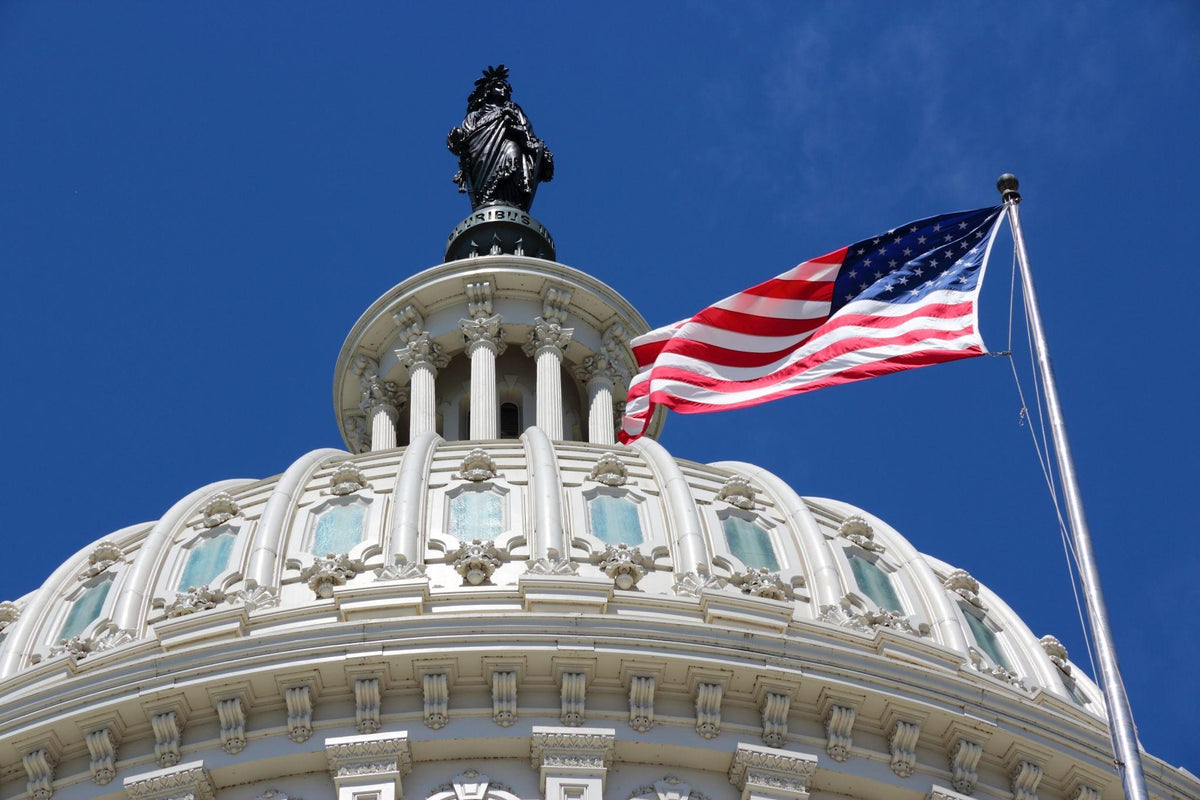
PHOTO CAPTION: The U.S. Capitol in Washington, D.C., photographed December 10, 2025. Illustrative file photo. U.S. Army photo by Sgt. Eli Baker, via DVIDS.
With the November 3 midterm elections just one day away, Americans have heard some extraordinary promises and warnings about what could happen if Republicans or Democrats gain control of Congress.
President Donald Trump has promised $5,000 payments to American adults if Republicans retain both chambers. Democrats are preparing investigations into the administration and promising changes to healthcare, federal spending and the Iran war.
Republicans are warning about impeachment, higher taxes and political gridlock. Democrats argue that gaining control of Congress would allow them to challenge administration policies and provide greater oversight.
Some campaign statements have even involved compensation for veterans exposed to contaminated water at Camp Lejeune.
For service members, veterans and military families, the stakes include more than Washington politics. Decisions involving military operations, veterans' compensation, government spending and household finances could have real consequences.
But which promises are backed by actual plans, and which would require Congress to act?
Trump's $5,000 Promise to Americans
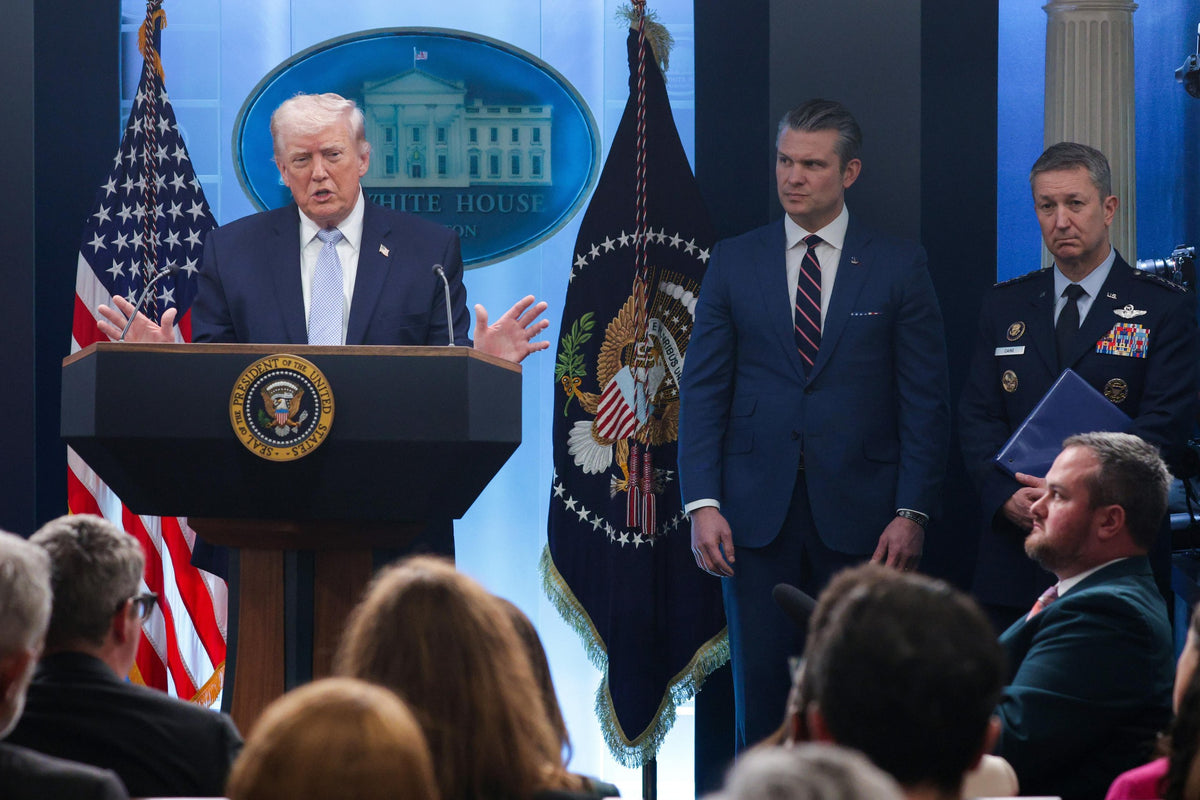
One of the election's largest financial promises came September 9, when Trump announced plans to provide a $5,000 dividend to every adult American citizen if Republicans retain control of the House and Senate.
Under the proposal, a married couple with two eligible adult citizens could receive $10,000.
Trump has repeatedly said tariff revenue and economic growth would make the payments possible.
He has compared the proposed dividend to the $1,776 Warrior Dividend distributed to more than 1.5 million eligible military personnel in December 2025.
There is, however, an important difference.
The military payments were actually distributed. The proposed $5,000 civilian payments have not been approved or funded.
Financial analysts estimate the broader program could cost approximately $1.2 trillion, far exceeding annual tariff revenue.
Congress would need to authorize the spending. Economists have also raised concerns about additional borrowing and possible inflation.
Trump previously supported proposals for a $5,000 DOGE dividend and a $2,000 tariff rebate. Neither nationwide payment program materialized.
Republican Sen. Bernie Moreno has said he intends to prepare legislation to advance the new dividend proposal.
The question is whether Congress would agree to fund it, even if Republicans retain their majorities.
Sources: AP | Reuters
Other Payments and Financial Promises
The $5,000 proposal is not the only payment Trump has promoted.
The administration has also announced $90 Medicare Part B payments for approximately 20 million eligible enrollees and $500 rebates for certain Affordable Care Act customers who were allegedly overcharged.
Both are separate from the proposed dividend and were announced before Election Day.
Trump has also highlighted federally funded $1,000 investment contributions for eligible children born between 2025 and 2028 through the existing Trump Accounts program.
Separately, he has proposed directing certain healthcare payments to consumers rather than insurers, although a detailed replacement plan has not been established.
On October 26, Trump announced a proposed $1 million reward for information leading to an arrest and conviction involving voter fraud. Funding details for that pledge remain unclear.
The White House argues these efforts demonstrate a commitment to returning money to Americans and reducing costs.
Critics question the financing of some proposals and argue that payments announced during an election campaign should be distinguished from benefits already authorized by law.
Source: Axios
Democrats Promise Healthcare Changes and Lower Living Costs
House Democratic Leader Hakeem Jeffries has outlined a legislative agenda that Democrats intend to pursue if they win control of the House.
Their priorities include restoring expired Affordable Care Act subsidies, reversing Medicaid reductions and work requirements, challenging Trump's tariffs, and pursuing measures intended to reduce housing, grocery, energy and caregiving costs.
Democrats say these policies would help households struggling with high expenses.
Jeffries has also promised expanded congressional oversight of the Trump administration.
Republicans argue their existing tax and spending policies support working families, businesses and economic growth.
House Speaker Mike Johnson has indicated that Republicans would largely continue their current approach if they retain Congress.
Unlike Trump's proposed dividend, Democratic leaders have not announced a comparable nationwide $5,000 payment tied to winning Congress.
Their emphasis has been on healthcare assistance, federal programs and reducing everyday expenses.
However, even if Democrats win the House, legislation could still be blocked by a Republican Senate or vetoed by Trump.
Source: Associated Press
Veterans' Camp Lejeune Settlements Enter the Campaign
One of the most significant developments for the military community involves compensation for veterans and families affected by contaminated drinking water at Marine Corps Base Camp Lejeune.
During an October campaign appearance in North Carolina, Trump promised to direct the Justice Department to settle remaining legitimate claims.
He tied that commitment to Republicans retaining the House and Senate, suggesting the money might not be available otherwise.
When questioned afterward, Trump explained that different political leadership would have to handle the negotiations if circumstances changed.
The administration has already overseen substantial settlement payments and says it wants outstanding legitimate claims resolved.
Democrats and some affected families criticized the comments, arguing that compensation for military-related injuries should not depend on election results.
Republican candidate Michael Whatley has said helping affected veterans remains a priority.
Importantly, the Camp Lejeune Justice Act established a legal claims process that does not automatically end if congressional control changes.
For veterans still waiting on decisions, the unresolved question is how quickly their claims will be processed and paid.
Sources: AP | Department of Justice
Warnings About Taxes and Economic Trouble
Trump has repeatedly warned that Democratic control of Congress would bring higher taxes and severe economic consequences.
In a September exchange with reporters, he predicted that a Democratic victory could produce an economic depression comparable to 1929.
He has also warned that tax breaks affecting tips, overtime and seniors would disappear under Democratic control.
Those statements describe his political predictions, not outcomes established by economic forecasts.
The current tax provisions are already law and would not automatically be repealed if Democrats win congressional seats.
There are also limitations to the provisions themselves. The overtime and tips measures apply to qualifying income, while the senior benefit is an additional deduction rather than a complete elimination of Social Security taxes.
Democrats say they want to reverse certain spending reductions and tariff policies. Republicans argue that their tax legislation has benefited working Americans and businesses.
Future changes would depend on legislation, negotiations and presidential approval.
Impeachment, Investigations and Possible Gridlock
Republican leaders have warned that Democrats could pursue impeachment if they regain control of the House.
House Majority Leader Steve Scalise has cautioned that impeachment proceedings could begin quickly.
Democratic leadership has not committed to impeachment.
Jeffries has said the possibility remains open, while describing government oversight and affordability as immediate priorities.
Democrats are preparing potential investigations involving federal contracts, alleged conflicts of interest, the president's business dealings and administration decisions.
A Democratic House could issue subpoenas and hold hearings, but removing a president would require a two-thirds Senate vote following impeachment.
Meanwhile, Reuters reported November 1 that White House officials have been preparing ways to continue governing through executive authority if Democrats take control of Congress.
Trump would retain veto authority, while any new executive actions would remain subject to legal limits and judicial review.
Source: Reuters
What Could Change for U.S. Troops and the Iran War?
Military operations represent another major dividing line.
Democrats have promised additional votes concerning the Iran conflict and greater oversight of Pentagon decisions, spending and military operations.
Some lawmakers want to restrict further operations without additional congressional authorization.
Republicans have emphasized defense funding, military readiness and maintaining the administration's ability to respond to international threats.
Trump has suggested that the Iran conflict could end shortly after the midterms, although separate reporting indicates that American officials have warned regional allies about possible renewed strikes.
Neither an end to the conflict nor another strike has been established as a certainty.
For deployed service members and their families, the consequences could involve deployment lengths, operational risks and military spending.
Congress also controls appropriations that influence military programs, procurement and personnel funding.
However, winning one chamber does not immediately give either party complete control over military operations.
What Happens After Election Day?
The November 3 results will determine whether Republicans retain unified congressional control or Democrats gain one or both chambers.
Republicans say maintaining their majorities would allow them to continue Trump's economic, immigration and defense policies.
Democrats say winning control would let them challenge those policies, conduct investigations and pursue changes to healthcare and spending.
The proposed $5,000 dividend, military funding decisions, Camp Lejeune compensation, healthcare assistance and Iran war policy could all remain subjects of disagreement.
Some benefits are already law. Some promises require new legislation. Other statements are warnings about possible consequences rather than decisions that have been made.
For Americans trying to understand what comes next, the key distinction is between what politicians have promised, what Congress has actually authorized and what either party would have the power to deliver.
(Source: OAF Nation)