SOCOM Targets Blast Exposure Risks
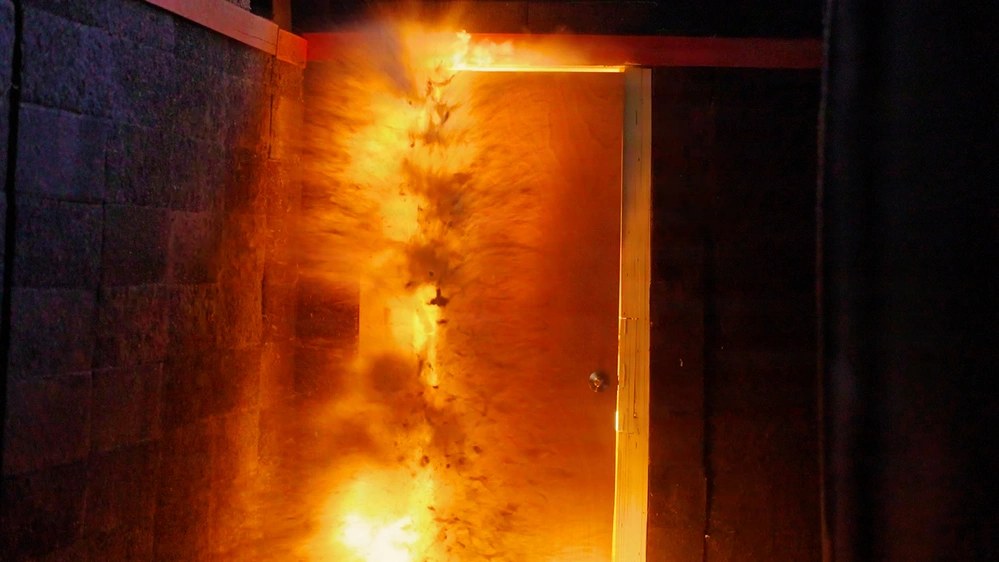
PHOTO CAPTION: U.S. Special Operations Command personnel train as the command works to reduce the effects of repeated blast overpressure on operators. U.S. Army Special Operations Command courtesy photo.
U.S. Special Operations Command says repeated low-level blast exposure can be a daily reality for troops going through special operations training, as the military rolls out new equipment and training changes intended to reduce the cumulative toll on operators.
In just six months of initial SOF training, a soldier can fire thousands of small-arms rounds, employ hundreds of flashbangs and conduct dozens of explosive breaches, according to new Military Health System guidance released Thursday. Officials say exposures below four pounds per square inch can occur repeatedly throughout those training environments.
The long-term consequences remain difficult to measure. Military health officials say scientists suspect repeated low-level blasts can contribute to cognitive effects, but there are still no validated exposure thresholds that doctors can use to make medical or return-to-duty decisions.
Current blast sensors also present problems. Some are bulky enough to compete for space with mission-essential equipment, different systems do not always share data smoothly, and officials say the sensors generally measure the blast wave without tying an individual event directly to cognitive, physiological or biological changes in the operator.
SOCOM is trying to close that gap through an Elite Force Pilot Team focused on monitoring high-risk training and operations. The effort is intended to improve return-to-duty and return-to-shoot protocols while connecting blast exposure with clinical outcomes and biomarkers.
The command is also changing the equipment troops use.
One system, called the Multi-Use Charge Housings for Enhanced Target Effect, or MUCHETE, is designed for explosive breaching. By shaping blast energy toward the target, officials say the system can use less explosive material while delivering the same target-defeat effect.
SOCOM says that design reduces hazardous blast overpressure on the operator by 25% to 60%. The system is now being positioned for expanded military distribution.
Other changes include increased use of suppressors and heavy-weapons simulators, stricter helmet policies for training cadre and redesigned ranges that use modeling and materials intended to absorb blast waves.
Researchers are also using instrumented head forms to measure what happens inside a helmet during a blast and are working toward smaller, less intrusive sensors that could provide clinicians with useful exposure data without interfering with an operator's equipment.
Repeated blast exposure has increasingly drawn attention across the military as researchers study whether years of weapons fire and explosive training can affect brain structure, cognition and neurological health even when individual exposures do not cause an obvious concussion.
For SOCOM, the challenge is reducing that cumulative exposure without reducing the realism or intensity of the training operators need for combat.
Source: U.S. Special Operations Command; Military Health System