NYC Releases 9/11 Air-Quality Records
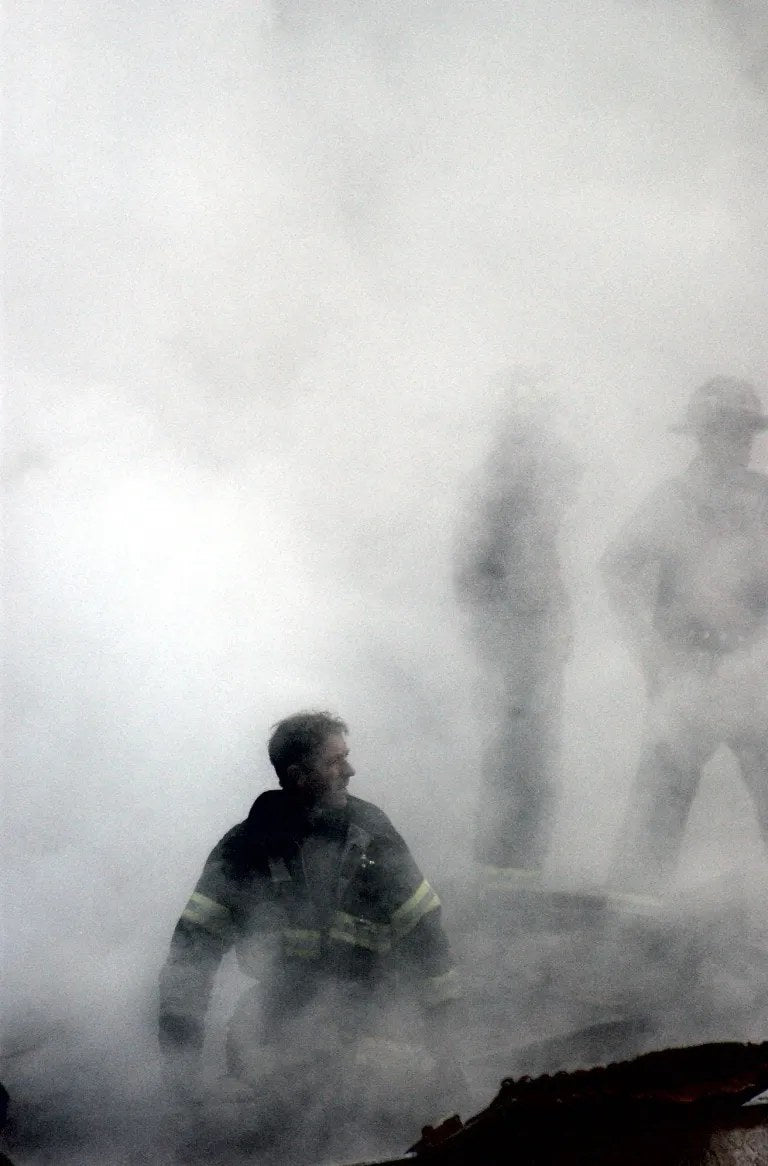
PHOTO CAPTION: A firefighter searches through smoke and debris at Ground Zero in New York City on Sept. 14, 2001, three days after the World Trade Center attacks. U.S. Navy photo by PH2 Jim Watson/National Archives.
New York City released approximately 170,000 pages of records Tuesday concerning air quality, health risks and the government's response in the aftermath of the Sept. 11, 2001, terrorist attacks.
The Sept. 8 release marks the first major batch of documents placed on a new public city portal ahead of the 25th anniversary of the attacks. The records include air-quality reports, contamination data, internal correspondence and material that had remained unavailable to the public for years.
Among the records are documents from 68 boxes that city officials say were not located until 2025 despite multiple Freedom of Information Law requests. The city says additional records will be reviewed and released over the next 12 months.
A sample of the newly released material reviewed by The New York Times shows health officials were still finding evidence of asbestos as far as roughly half a mile from the World Trade Center site about 10 months after the attacks. The records also document concerns inside city government over contamination and potential legal liability stemming from exposure around Ground Zero.
The release reopens questions surrounding assurances given to New Yorkers in the weeks following the collapse of the World Trade Center.
On Sept. 13, 2001, the Environmental Protection Agency said initial monitoring results were “very reassuring” and said the general public should be reassured by early sampling. Later that month, EPA continued reporting that most air samples did not show asbestos above levels the agency considered a public-health concern.
Those early assurances were questioned by the EPA's own Office of Inspector General two years later.
A 2003 inspector general investigation concluded that EPA did not have enough monitoring data to support some of the broad reassurances it made immediately after the attacks. The report noted that monitoring data was lacking for several contaminants and that sampling for some pollutants did not begin until days after the disaster.
The newly released New York City records also include the so-called Harding Memo, an internal document concerning possible legal liability related to Sept. 11 exposure. The memo discussed the possibility of thousands of claims involving toxic exposure, protective equipment and whether people were allowed to return to Lower Manhattan before conditions were safe.
The memo itself does not establish that city officials knowingly sent people into unsafe conditions. Instead, it documents that potential health claims and legal exposure were being discussed inside government during the aftermath of the attacks.
The city said Tuesday that the records were released as part of the settlement of two lawsuits brought by 9/11 Health Watch over access to documents concerning post-9/11 air quality and health risks. The administration also launched a public records portal where the documents can be searched.
The health consequences of exposure at and around Ground Zero have since become well established. Federal programs now provide monitoring, treatment and compensation for responders and survivors suffering from illnesses connected to exposure following the attacks.
For veterans who spent the past two decades watching similar battles over burn pits and other toxic military exposures, the newly released records add another chapter to a familiar question: what did officials know about environmental hazards, and when did they know it?
(Source: OAF Nation)