Navy Confirms USS Doris Miller Name
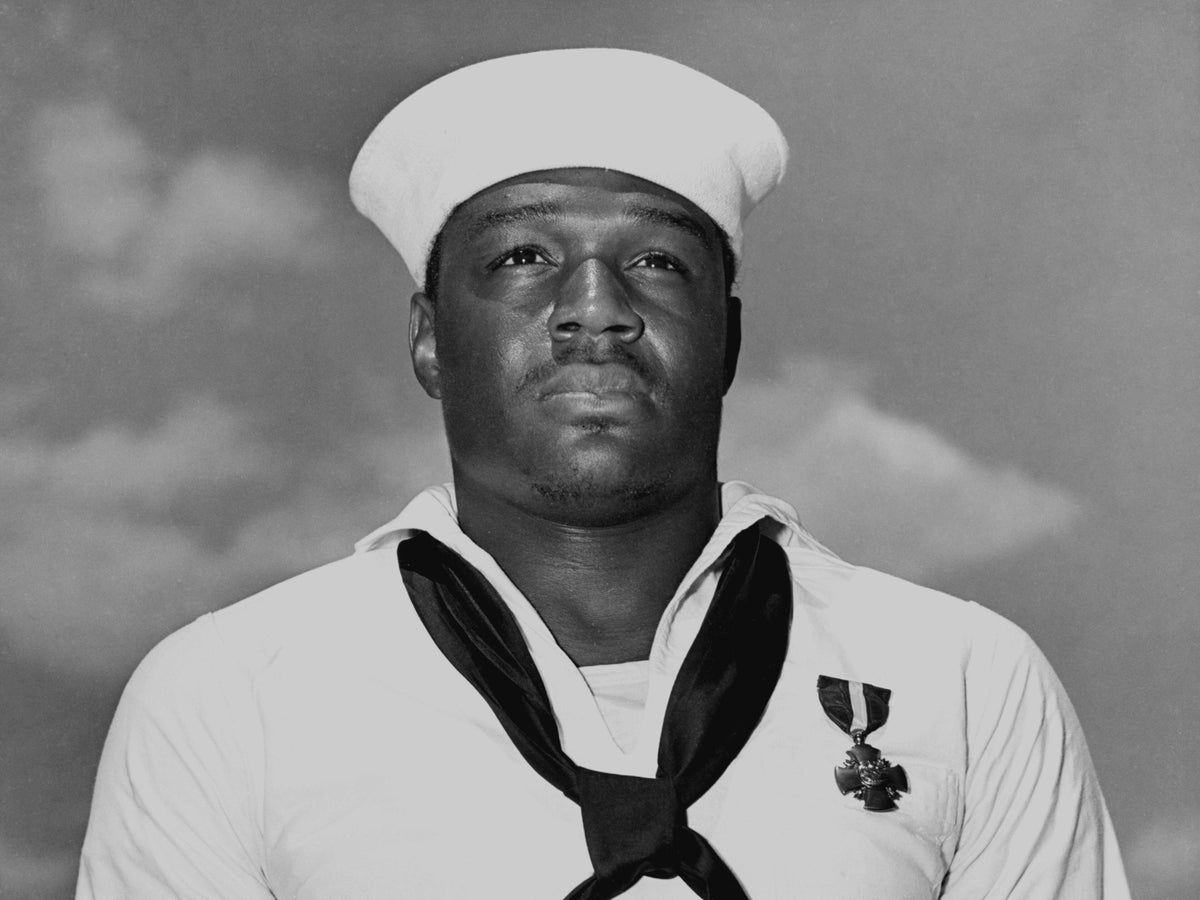
PHOTO CAPTION: Doris "Dorie" Miller aboard USS Enterprise at Pearl Harbor on May 27, 1942, shortly after receiving the Navy Cross for his actions during the Japanese attack on Pearl Harbor. The Navy confirmed November 20, 2026, that its future aircraft carrier USS Doris Miller (CVN-81) will retain his name. (Official U.S. Navy photograph, Naval History and Heritage Command/National Archives; restored by Adam Cuerden.)
The U.S. Navy has confirmed that its future aircraft carrier USS Doris Miller will keep its name, ending months of uncertainty over whether the ship would continue honoring one of the most celebrated enlisted sailors of World War II.
A spokesperson for Acting Secretary of the Navy Hung Cao told USNI News on November 20 that there is no intention to rename the carrier, designated CVN-81.
The confirmation follows reports in August that Navy officials had discussed potentially changing the name of the ship, which is being built in Virginia.
For now, the decision leaves in place a tribute announced six years ago to a sailor who became a national hero during the Japanese attack on Pearl Harbor.
The Sailor Who Fought Back at Pearl Harbor
Doris "Dorie" Miller was serving as a mess attendant aboard the battleship USS West Virginia when Japanese aircraft attacked Pearl Harbor on December 7, 1941.
At the time, the Navy was segregated, and Black sailors were largely restricted to service positions. Miller's regular duties included preparing and serving meals rather than operating the ship's weapons.
When the attack began, Miller reported for duty and found his assigned battle station damaged.
He helped move the ship's mortally wounded captain, Mervyn Bennion, to a safer location as bombs and gunfire struck the battleship.
Miller then took control of an anti-aircraft machine gun and fired at Japanese aircraft, despite having no formal training to operate the weapon.
He continued fighting until ordered to leave his position.
His actions earned him the Navy Cross, which Adm. Chester W. Nimitz personally presented during a ceremony aboard USS Enterprise on May 27, 1942.
Miller became the first Black American awarded the Navy Cross.
He continued serving after Pearl Harbor, eventually joining the crew of the escort carrier USS Liscome Bay.
On November 24, 1943, the ship was torpedoed and sunk by a Japanese submarine near the Gilbert Islands. Miller was among the hundreds of sailors lost.
He was 24 years old.
Why the Carrier's Name Became Controversial
In January 2020, during President Donald Trump's first administration, the Navy announced that a future Gerald R. Ford-class aircraft carrier would be named USS Doris Miller.
The selection was historic.
CVN-81 would become the first American aircraft carrier named for a Black American and the first named for a sailor recognized for actions performed while serving in the enlisted ranks.
It would also be the second Navy ship named for Miller, following the destroyer escort USS Miller, which later became a frigate.
But in August 2026, reports emerged that Navy officials were considering whether to change the future carrier's name.
CNN reported that internal discussions had included the possibility of naming the vessel for President Trump.
No formal renaming was announced.
The reports nevertheless prompted criticism from people concerned that Miller's long-promised recognition might be taken away.
Former senior military leaders and members of Congress were among those who publicly supported keeping the existing name.
In September, legislation was introduced in the Senate that would prohibit federal funds from being used to change the carrier's name.
The legislation was proposed, not enacted.
Navy Says the Name Will Stay
The Navy's November 20 confirmation provides the clearest answer yet to the controversy.
A spokesperson for Acting Secretary Hung Cao told USNI News that the service did not intend to change the name of USS Doris Miller.
The Navy subsequently confirmed the same position to USA TODAY.
A Navy communications official also confirmed that the ship's keel-laying ceremony is scheduled for December 5, 2026.
The ceremony will mark a major milestone in construction, although the carrier is still years away from joining the fleet.
The naming decision does not require additional legislation, and no formal change had been announced during the earlier controversy.
The Navy's latest statement means its existing plan to honor Miller remains in place.
A Lasting Tribute to an Enlisted Hero
Aircraft carriers are among the largest and most prominent vessels in the U.S. Navy, and their names often commemorate presidents, military leaders, historic battles, or other figures with distinguished national service.
Naming one for Doris Miller carries particular significance.
He was an enlisted sailor whose assigned duties did not involve combat. When his ship came under attack, he helped wounded shipmates and fought back with a weapon he had never been trained to use.
He received one of the Navy's highest awards for valor but never returned home from the war.
More than eight decades after his death, Miller's name is set to sail again, this time aboard one of the Navy's most powerful warships.
And after months of uncertainty, the Navy says that recognition will remain his.
(Source: OAF Nation)