Lawmakers Demand Pentagon Answers
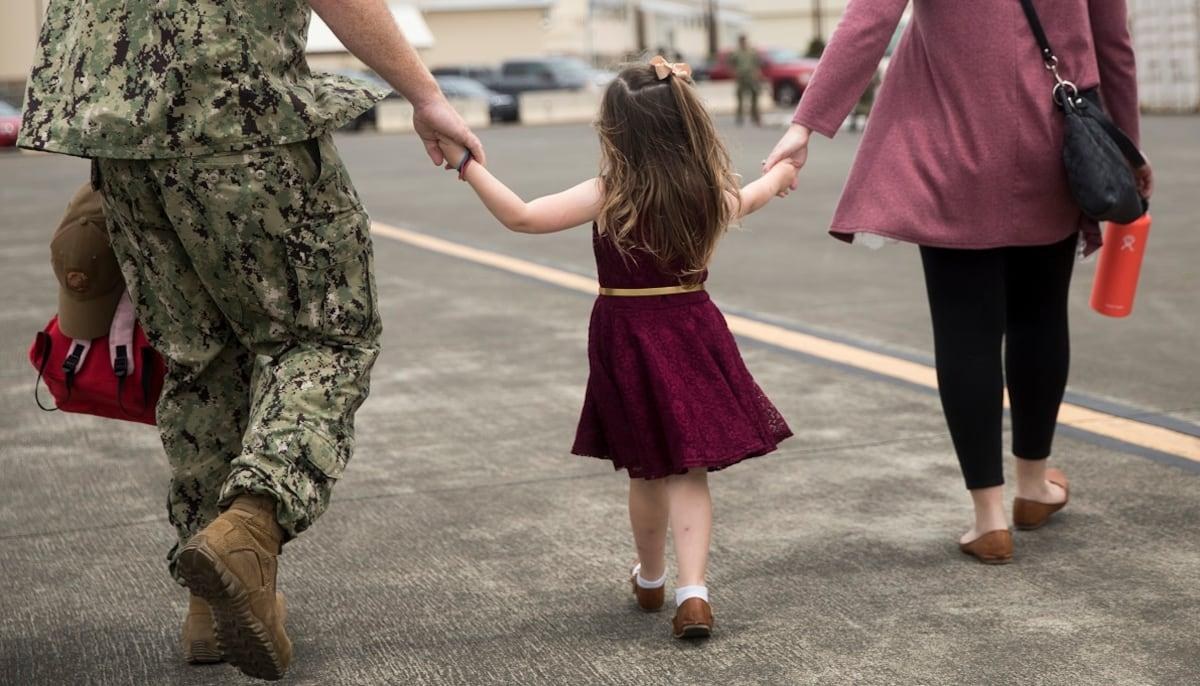
PHOTO CAPTION: A military family walks through Naval Support Activity Bahrain on May 31, 2023. Families evacuated from the installation during the 2026 Iran war are now facing uncertainty over financial assistance while some remain displaced. (U.S. Army photo by Jensen Guillory. File photo.)
Military families evacuated from Bahrain following Iranian attacks on a major U.S. Navy installation are now facing the possible loss of financial assistance, even as some remain without permanent housing, personal vehicles, or belongings left behind overseas.
Thirty Democratic lawmakers are demanding answers from Defense Secretary Pete Hegseth after reports that the Pentagon denied a request to extend financial support for families displaced by the war.
In a letter dated October 30 and publicized November 2, lawmakers warned that some families could lose their safe haven allowances in November, despite continuing to face expenses directly connected to their evacuation.
The Defense Department has not publicly explained the reported denial. A Pentagon official told Stars and Stripes that the department would respond directly to the lawmakers.
Families Evacuated After Iranian Attacks
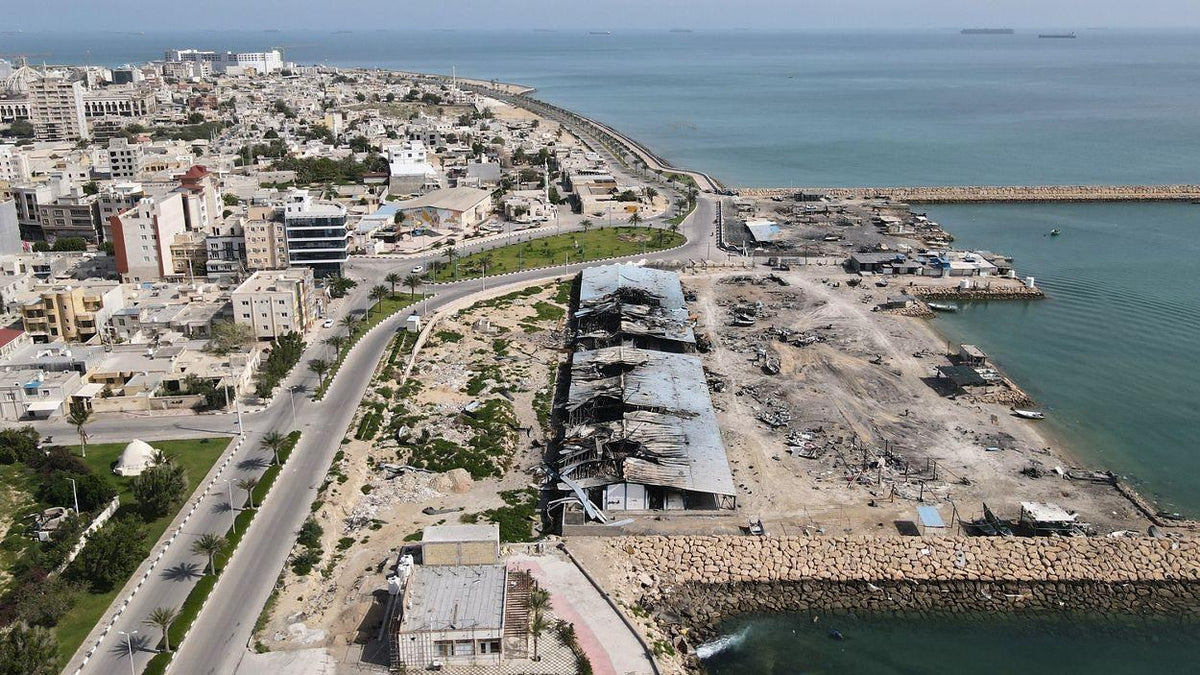
When the United States and Israel launched strikes against Iran on February 28, Iranian forces retaliated against American military installations across the Middle East.
Among the targets was Naval Support Activity Bahrain, home to U.S. Naval Forces Central Command and the Navy's Fifth Fleet.
The installation supported a community of approximately 8,300 military personnel, civilian employees, and family members before the war.
As Iranian missiles and drones struck targets in Bahrain, military families received emergency notifications authorizing their departure.
Many left with limited belongings, uncertain when they would be able to return home.
The evacuation eventually displaced approximately 1,300 Navy family members, with some relocating through Germany before arriving at temporary safe haven locations in the United States.
For many families, the disruption extended far beyond the initial flight out of the region.
Children had to change schools. Spouses had to rearrange employment and childcare. Families moved between hotels and temporary rentals while waiting for orders, household goods, and vehicles.
Some also faced the challenge of living apart from service members who remained on duty overseas.
The Financial Assistance Families Could Lose
Military dependents evacuated from overseas assignments may qualify for safe haven allowances intended to help cover temporary living expenses.
Under Defense Department travel rules, these benefits can include lodging reimbursement, meals and incidental expenses, and certain transportation costs.
For example, families without access to a personal vehicle may qualify for a daily local transportation allowance to help cover rental vehicles, taxis, or public transportation.
However, the assistance is not unlimited.
Standard safe haven provisions include a 180-day period, with reimbursement amounts and eligibility depending on the family member's status and circumstances.
In September, the Navy announced a transition plan specifically for families displaced from Bahrain.
Under that guidance, affected military families would continue receiving their then-current safe haven allowance through October 11. Payments would decrease to 75% beginning October 12 and continue through November 30, subject to the applicable transition rules.
Families were directed to select a permanent resettlement location by November 30.
Once a family occupies its permanent home, safe haven per diem ends and the service member becomes eligible for Basic Allowance for Housing based on the new location.
The Navy also said it would cover authorized relocation costs and coordinate shipment of household belongings and vehicles from Bahrain.
The problem, according to the lawmakers, is that some families still have expenses that may not disappear when their temporary assistance ends.
Families Could Still Be Waiting for Their Belongings
In their letter to Hegseth, lawmakers argued that the existing transition process could leave families paying expenses that were caused by the military evacuation.
They specifically raised concerns about families losing benefits after signing a lease, even when they were still waiting for personal vehicles or furniture to arrive.
Finding a permanent address does not necessarily mean a family has everything it needs to resume normal life.
A family might have a lease but still be paying for temporary transportation, staying in short-term lodging, or replacing essential household items while awaiting shipments.
Stars and Stripes previously reported that some evacuated families had spent tens of thousands of dollars out of pocket during the prolonged displacement.
The lawmakers said Navy officials had informed evacuees that a request for an extension was denied, leaving affected families to seek individual approval from Acting Navy Secretary Hung Cao.
The Pentagon has not publicly provided a detailed explanation of that decision.
Lawmakers Demand Answers From Hegseth
The letter was led by Rep. Chris Deluzio of Pennsylvania, Rep. Pat Ryan of New York, and Sen. Richard Blumenthal of Connecticut.
All 30 signatories are Democrats, including lawmakers serving on congressional armed services committees and members of the Democratic Veterans Caucus.
They want the Pentagon to explain why the extension request was reportedly denied, who made the decision, and what assistance will remain available for families who have not received their household goods.
They also want to know whether families can recover expenses they have already paid and how many reimbursement requests remain unresolved.
The lawmakers requested answers by November 13.
Their questions extend beyond family assistance.
The letter also asks how extensive damage to Naval Support Activity Bahrain has affected U.S. military operations, what alternative logistics facilities the Navy is using, and whether the Pentagon plans to rebuild the installation.
The Navy Says Transition Support Remains Available
The Navy has publicly outlined additional assistance intended to help evacuated families establish permanent homes.
Its September guidance includes authorized travel and moving expenses, shipment of household goods and personal vehicles, and housing allowances once families occupy their new residences.
Special provisions are also available for certain displaced civilian employees.
Those programs mean that ending safe haven payments does not necessarily mean every form of military housing or relocation assistance ends.
But the disagreement centers on whether the transition leaves families responsible for expenses they cannot reasonably avoid.
It also remains unclear how many families may require individual exceptions or whether additional relief will be approved.
A War That Followed Families Home
The evacuation was intended to remove military dependents from danger as attacks spread across the Persian Gulf.
Eight months later, some of those families are still dealing with the financial and logistical consequences.
For military spouses and children, leaving a war zone did not immediately mean returning to a normal life.
The central question now is whether the military's existing relocation programs provide enough assistance for a displacement that has lasted far longer than many families expected.
The Pentagon has until November 13 to respond to the lawmakers' questions.
For the families still waiting on belongings, transportation, or reimbursement, the financial uncertainty remains unresolved.
(Source: OAF Nation)