ICC Closes Afghanistan War Crimes Probe
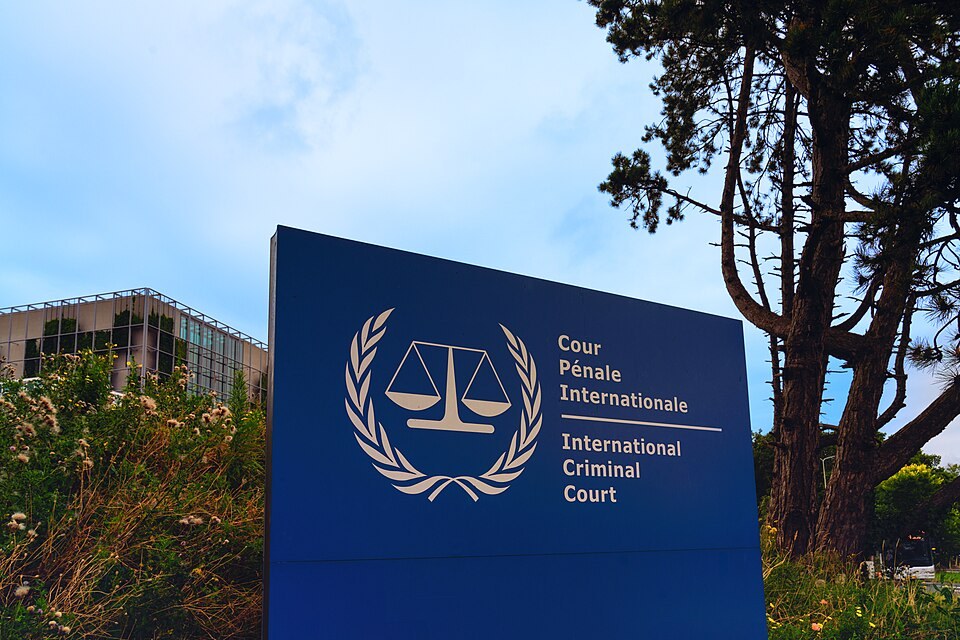
PHOTO CAPTION: The International Criminal Court headquarters in The Hague, Netherlands. On November 12, 2026, ICC judges ordered the closure of an Afghanistan war crimes investigation that could have examined alleged misconduct by U.S. military and intelligence personnel. Prosecutors have appealed the decision. The ruling does not constitute an exoneration. (File photo by Tony Webster, CC BY 2.0.)
Judges at the International Criminal Court have ordered the closure of an Afghanistan war crimes investigation that previously included possible allegations against American military and intelligence personnel.
The decision, issued November 12 and made public Friday, November 13, marks a significant development in a yearslong dispute over whether an international court can investigate Americans for alleged crimes committed during the war in Afghanistan.
The original investigation also covered alleged wrongdoing by Afghan government forces, the Taliban and other armed groups.
But the ICC has now directed its investigative efforts toward a separate case examining alleged crimes committed by Taliban leaders since their return to power in 2021.
The prosecutor's office says it has appealed the ruling.
The decision does not exonerate American personnel, establish whether any alleged crimes occurred or change the international court's underlying jurisdiction.
What Did the Court Actually Decide?
ICC judges concluded that prosecutors had not demonstrated they could effectively investigate allegations outside the court's newer Taliban-focused inquiry.
The decision cited significant difficulties obtaining evidence and carrying out investigations.
The original Afghanistan investigation began years earlier and was formally authorized in 2020.
Its scope included potential war crimes involving U.S. troops and intelligence operatives, along with allegations against Afghan forces and insurgent groups.
However, the possibility of investigating Americans had already been largely inactive for years.
The prosecutor's office shifted its attention away from those allegations in 2021, citing difficulties obtaining evidence and making progress.
The latest ruling takes that earlier shift further by formally closing the original investigative branch.
That matters because the decision came from judges, rather than simply reflecting prosecutors' choices about which allegations to prioritize.
But the prosecutor's office has challenged the court's approach, leaving the final procedural outcome unresolved.
Why Was the ICC Looking at American Troops?
The International Criminal Court investigates and prosecutes individuals accused of genocide, crimes against humanity and war crimes under its founding treaty, the Rome Statute.
Its original Afghanistan investigation considered allegations arising during the conflict that followed the September 11, 2001, terrorist attacks.
Those allegations included possible mistreatment of detainees by American military and intelligence personnel.
The investigation also examined alleged crimes by Taliban fighters, Afghan government forces and other armed groups.
An investigation is not a finding of guilt.
The court's authority to investigate allegations involving Americans has nevertheless generated longstanding opposition from Washington.
The United States is not a party to the Rome Statute and does not recognize the ICC's claimed jurisdiction over U.S. personnel.
American officials argue that the court should not be able to prosecute citizens of a country that never accepted its authority.
The ICC's legal framework, however, permits investigations involving alleged crimes committed within the territory of member states, even when the suspect is a citizen of a nonmember country.
Afghanistan is a party to the Rome Statute.
That territorial-jurisdiction principle is why the court has maintained that Americans could potentially fall within its authority.
Friday's ruling does not resolve that broader disagreement.
Why Did Judges Close the Investigation?
The central issue was the ability to conduct an effective investigation.
International criminal investigations depend on access to witnesses, documents, physical evidence and cooperation from governments.
The ICC does not have its own police force capable of entering a country and independently gathering evidence without assistance.
Judges concluded that prosecutors had not shown they could make sufficient progress in the original Afghanistan investigation.
The court therefore decided that its efforts should remain concentrated on the separate inquiry involving Taliban actions since 2021.
That decision also closes the original investigation's work involving ISIS-K, an extremist organization active in Afghanistan.
It does not mean that judges reviewed every allegation against American personnel and determined the allegations were unfounded.
Instead, the court made a procedural decision about whether the investigative work could realistically continue.
Prosecutors Are Challenging the Decision
The ICC prosecutor's office confirmed to Reuters and the Associated Press that it has appealed the decision.
Court records also show an ongoing disagreement between prosecutors and judges over the separation and transfer of the Afghanistan investigations.
The publicly available reporting does not establish how the appellate judges will ultimately resolve that dispute.
An appeal could affect the final status of the proceedings.
For now, the court has issued the closure order, while prosecutors are contesting the judicial handling of the investigation.
That distinction is important.
The ruling represents a concrete development, but it should not be described as an irreversible end to every potential ICC proceeding involving Americans.
The Taliban Investigation Continues
The ICC is not ending all its investigations involving Afghanistan.
The court is continuing a separate inquiry into alleged crimes committed by Taliban authorities following their return to power in August 2021.
In October 2026, the court publicly unsealed arrest warrants against four senior Taliban officials.
The warrants concern allegations of gender persecution involving women, girls and LGBTQI+ people.
Among those named are Taliban supreme leader Hibatullah Akhundzada and senior officials responsible for judicial and educational policies.
The allegations involve severe restrictions on rights and freedoms under Taliban rule.
The Taliban rejects the court's authority.
The outstanding warrants remain in effect despite the closure of the original Afghanistan investigation.
However, issuing a warrant does not guarantee that a suspect will be arrested.
The ICC relies on governments to cooperate in detaining and transferring suspects.
A Longstanding Dispute Between Washington and the ICC
The ruling comes during another period of confrontation between the United States and the international court.
The Trump administration has imposed sanctions on the ICC and numerous current and former personnel.
Washington objects both to the court's earlier Afghanistan investigation involving possible allegations against Americans and to its actions involving Israeli officials.
The U.S. government has maintained that the court lacks legitimate authority over American citizens.
In July 2026, the Justice Department reiterated that position in a formal letter to the ICC's president.
Supporters of the court's jurisdiction argue that citizenship should not automatically prevent investigation of serious international crimes committed within the territory of a country that has accepted the court's authority.
Critics of that position argue that it improperly exposes Americans to a tribunal whose founding treaty the United States never ratified.
The latest decision removes one immediate area of conflict between Washington and the ICC, although the broader disagreement remains.
There has been no announcement that U.S. sanctions will be lifted because of the ruling.
What Does This Mean for Afghanistan Veterans?
The decision does not announce new benefits, legal protections or changes to military law for veterans who served in Afghanistan.
It also does not mean every American who served in the war was previously under investigation.
The ICC investigation concerned allegations of specific categories of international crimes, not ordinary participation in combat or deployment to Afghanistan.
The distinction matters because closing the original investigative branch is not equivalent to dismissing charges against thousands of veterans.
Friday's decision instead means that the ICC has ordered the termination of an investigation that had the potential to examine alleged wrongdoing by certain American personnel.
The United States still retains its own military and civilian systems for investigating and prosecuting alleged misconduct.
Those systems are separate from the ICC.
The international court's ruling does not cancel domestic investigations or prevent the U.S. government from pursuing cases under American law.
What Happens Next?
The immediate next step is the dispute over the ICC's closure decision.
The prosecutor's office has appealed, and the appellate process could determine whether the original Afghanistan investigation remains closed.
The separate Taliban investigation will continue.
Its four outstanding arrest warrants are unaffected by the ruling.
For American personnel, the decision represents a significant procedural development in an international investigation that had already been inactive concerning U.S. actions for several years.
But it does not resolve the broader question of whether the ICC can exercise jurisdiction over Americans for alleged crimes committed in countries that have joined the court.
That disagreement remains even after Friday's closure.
The immediate outcome is that judges have ordered the original investigation shut down.
Whether that decision survives the prosecution's legal challenge remains to be seen.
(Source: OAF Nation)