Coast Guard Boards Cyber-Compromised Tanker
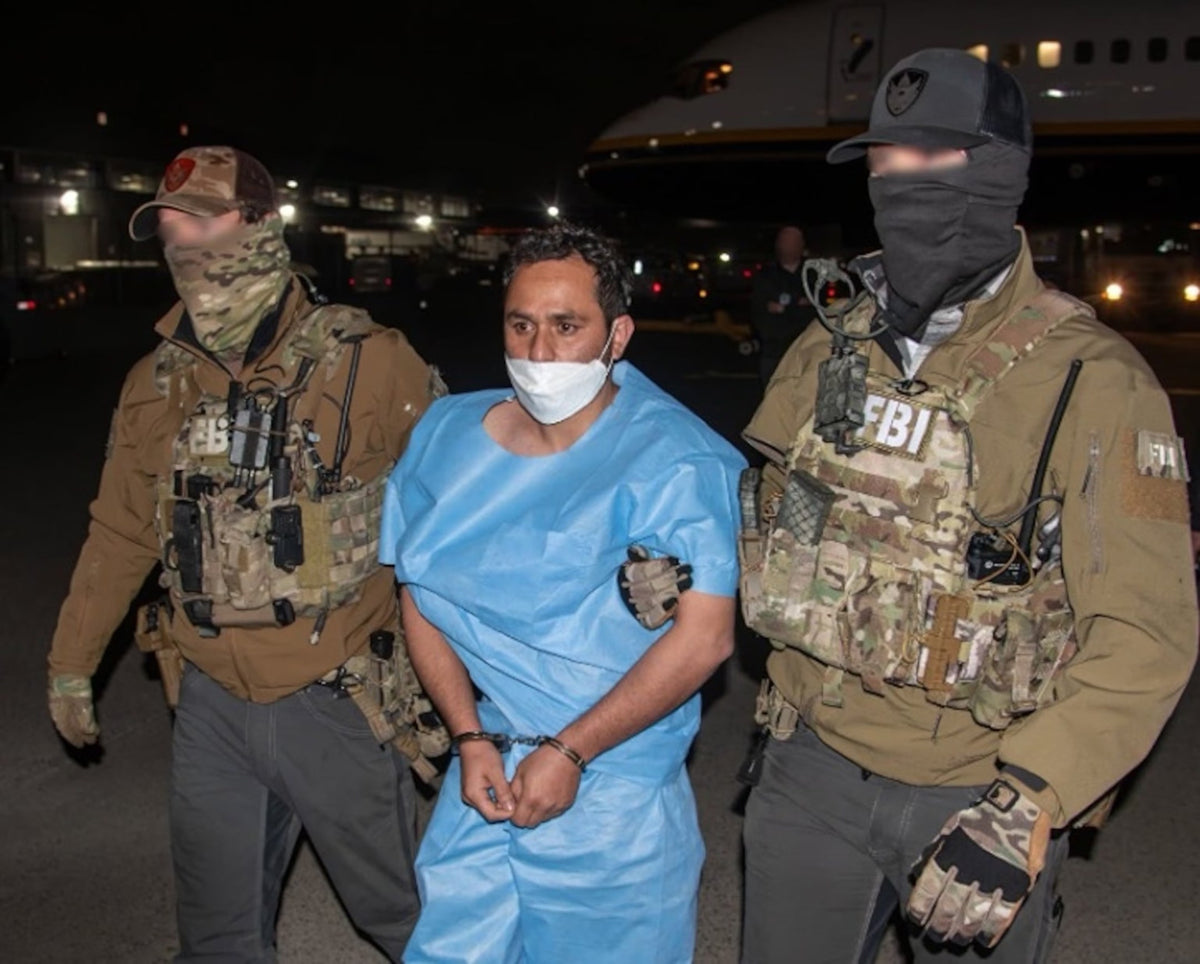
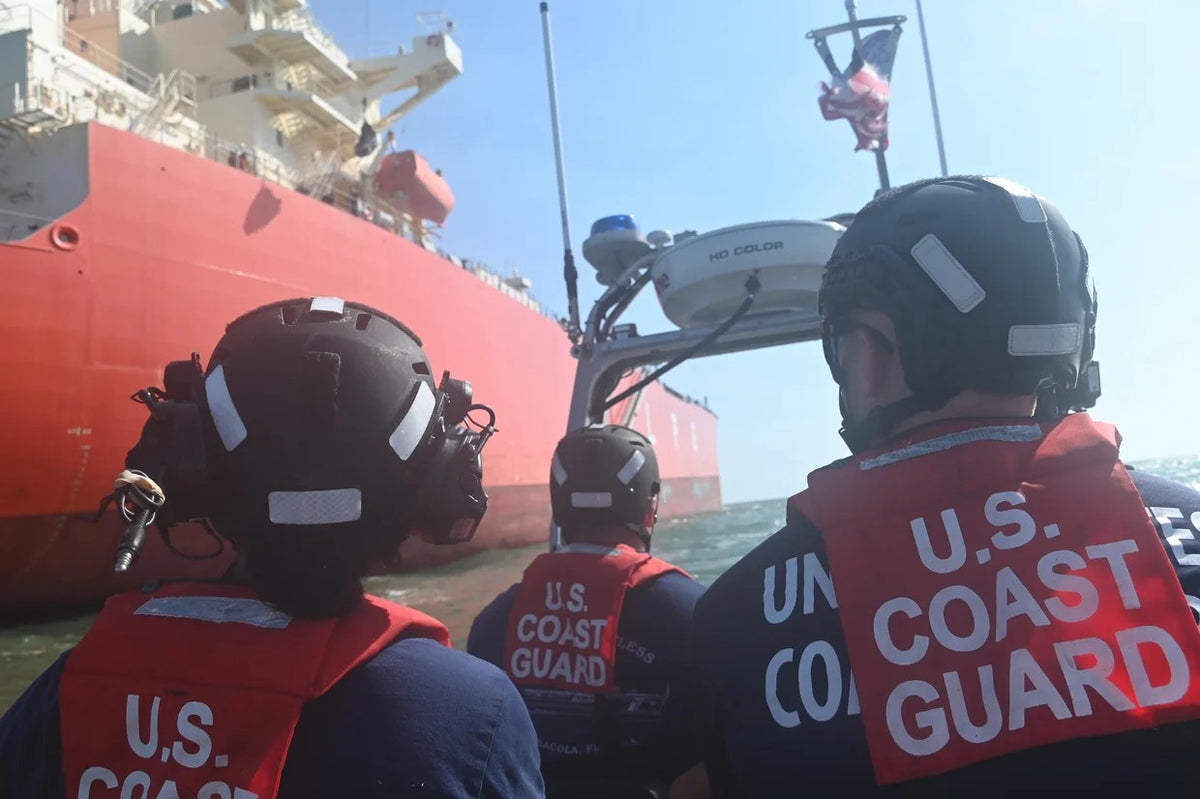
PHOTO CAPTION: U.S. Coast Guard personnel board a Texas-bound commercial oil tanker in the Atlantic in August 2026 during an investigation into a possible overseas cyber intrusion. The boarding team included Coast Guard law-enforcement and cybersecurity personnel, a vessel inspector and FBI cyber operators. U.S. Coast Guard photo
Federal agents boarded a massive oil tanker traveling toward Texas after authorities detected indications that an overseas cyber actor had compromised the vessel’s computer network, according to newly released information from the U.S. Coast Guard.
The boarding did not occur this week. It happened in the Atlantic Ocean on Aug. 21, but the Coast Guard publicly confirmed the operation on Sept. 15 following media inquiries.
The specialized boarding team included Coast Guard law-enforcement personnel, a vessel inspector, members of a Coast Guard Cyber Protection Team and operators from an FBI Cyber Action Team.
Once aboard, the team examined the ship’s information-technology and operational-technology systems. The Coast Guard said investigators worked with the crew and the vessel’s corporate operators to remove the potential threat.
The Coast Guard did not publicly identify the ship. However, Iranian reports named it as the VL Prosperity, and HMM Ocean Service, the South Korean company that manages that vessel, confirmed to CBS News that it was the tanker boarded by federal authorities.
The VL Prosperity is a 333-meter, Liberian-flagged very large crude carrier capable of transporting approximately 2.3 million barrels of oil. Public tracking information showed the vessel was traveling toward Galveston, Texas.
The extent of the suspected intrusion remains unclear.
The Coast Guard has confirmed indications that the vessel’s network was compromised by an overseas cyber actor, but the United States has not identified a specific attacker or disclosed which systems were affected.
Iranian state media has made considerably broader claims that have not been independently confirmed.
Iran’s Mehr News Agency reported on Aug. 20 that the tanker had been attacked on Aug. 7 while traveling from Egypt toward the United States. Citing an unidentified crew member, the outlet claimed the vessel lost communications for approximately 30 hours.
Mehr also alleged that hackers penetrated systems connected to the tanker’s engine room, reduced the flow of engine coolant, increased engine speed and interfered with fuel and lubricating-oil systems.
The United States has not verified those allegations.
Another Iranian outlet later published an article declaring that no American vessel was safe and suggesting cyberattacks could become another front in the conflict between Iran and the United States. Despite that rhetoric, American officials have not attributed the suspected compromise to Iran or any other country.
The Coast Guard said there were no reports of operational disruption, vessel instability, physical danger to the crew or environmental damage associated with the incident.
HMM Ocean Service said it maintains rigorous cyber protocols intended to protect the vessels under its management.
The investigation illustrates the potential danger created by the increasing number of interconnected systems aboard modern commercial ships. Tankers use operational technology to manage machinery, navigation and cargo operations, while separate information systems handle communications and administrative functions.
A successful intrusion into critical operational systems could theoretically allow an attacker to interfere with a ship’s movement or machinery. Authorities have not said that happened aboard this vessel.
The confirmed facts remain narrower: federal authorities detected indications of an overseas network compromise, deployed Coast Guard and FBI cyber specialists to board the Texas-bound tanker and worked with its crew to remove the potential threat before the vessel reached port.
(Source: OAF Nation)