Article: Army Tests Soldier Fitness Apps
Army Tests Soldier Fitness Apps
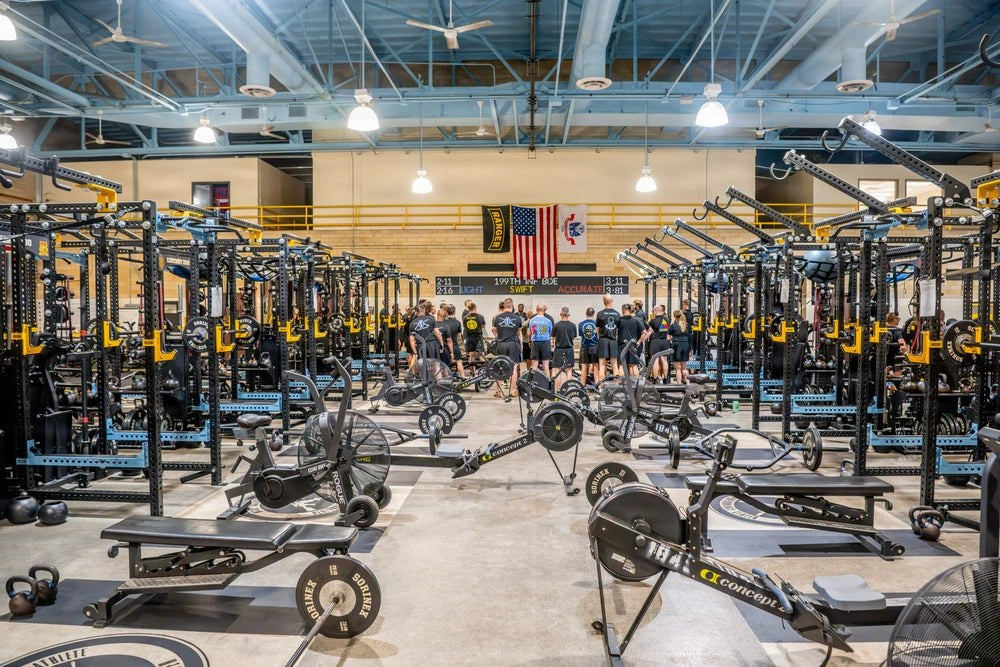
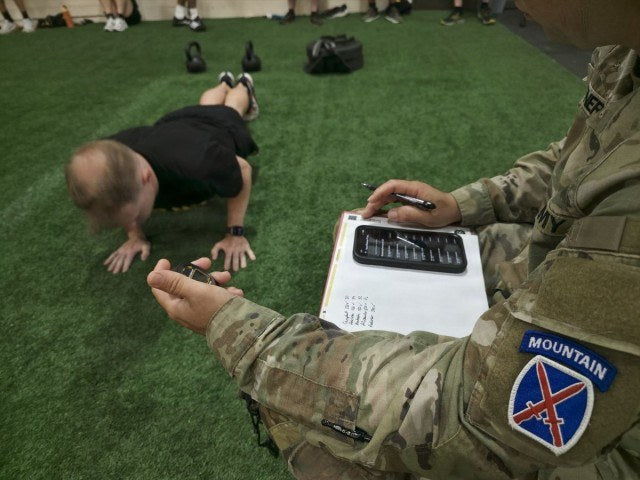
PHOTO CAPTION: Soldiers assigned to the 10th Mountain Division conduct the Army Fitness Test while integrating the Army Digital Information System at Nash Gym on Fort Drum, New York, June 24, 2026. The platform was evaluated as part of Army efforts to modernize physical readiness reporting and reduce administrative burdens. U.S. Army photo by Staff Sgt. Aaron Daugherty.
The Army is testing new apps and dashboards that could eventually give Soldiers, performance specialists and commanders access to a much deeper picture of Soldier fitness and readiness.
Potential data being discussed includes sleep, heart rate variability, workout loads and diet information, according to new reporting on the Army’s developing Holistic Health and Fitness Management System.
The Army is currently “pre-piloting” the tools as officials decide what information should be collected, what Soldiers should see and how much data leaders actually need. Military Times
The system, known as H2FMS, is intended to become the digital backbone of the Army’s Holistic Health and Fitness program.
The Army has described H2FMS as a way to provide Soldiers, leaders and human performance specialists with data driven insights more commonly associated with Special Operations units and professional athletics. Army
But Army leaders are also worried about collecting so much information that Soldiers and commanders stop paying attention to it.
Command Sgt. Maj. Alex Kupratty, the senior enlisted leader for Army Transformation and Training Command, told an event this month that he personally uses both a Whoop device and an Oura Ring but only looks at a fraction of the information they provide.
Kupratty said the Army needs to determine which metrics actually matter to readiness rather than simply presenting leaders with more raw data. Military Times
Officials working on the system have discussed data points including heart rate variability, sleep, the total weight moved during workout programs and diet plans.
Those possibilities are still being evaluated.
Jonathan Flynn, an H2F program director with the 199th Infantry Brigade, said he recently spent two days at Fort Benning evaluating three different styles of apps Soldiers could eventually use.
He said Soldier participation will be critical because the system cannot provide useful information if Soldiers do not want to log their data. Another pilot focused on the app and end user experience is planned for the second quarter of fiscal year 2027. Military Times
The Army has already spent years experimenting with wearable technology.
Army Sustainment Command launched a separate pilot in 2024 that issued Soldiers smart watches and rings capable of monitoring information including heart rate and sleep. In that program, the command said it did not have access to participants’ individual device data and instead relied on anonymous surveys. Army
Army doctrine has also contemplated biometric monitoring for years. The service’s Holistic Health and Fitness doctrine describes using wearable technology and Soldier input to collect information such as sleep duration, sleep efficiency, exercise heart rate, training intensity and power output. Army Home
What is changing now is the Army’s effort to bring human performance information into a common service wide management system.
An Army update published in August said H2FMS is being developed so Soldiers can view information about their own performance, recovery, nutrition and sleep. Human performance teams could use aggregated information from squad through brigade level, while leaders and commanders would receive broader readiness information.
The exact design is still being refined, and the Army has not announced that commanders will be able to view every individual Soldier’s sleep, diet or biometric readings. Army
The Army plans to continue expanding H2F across the force. By fiscal year 2029, officials say 129 active duty brigades, four Army National Guard states and two Army Reserve commands are expected to have H2F performance teams. Army
For Army leaders, the goal is to use more information to improve performance and reduce injuries.
For Soldiers, one of the questions still being worked out is exactly how much information is useful before readiness tracking becomes information overload.
(Source: OAF Nation)