Army Plans New Bunkers in Mideast
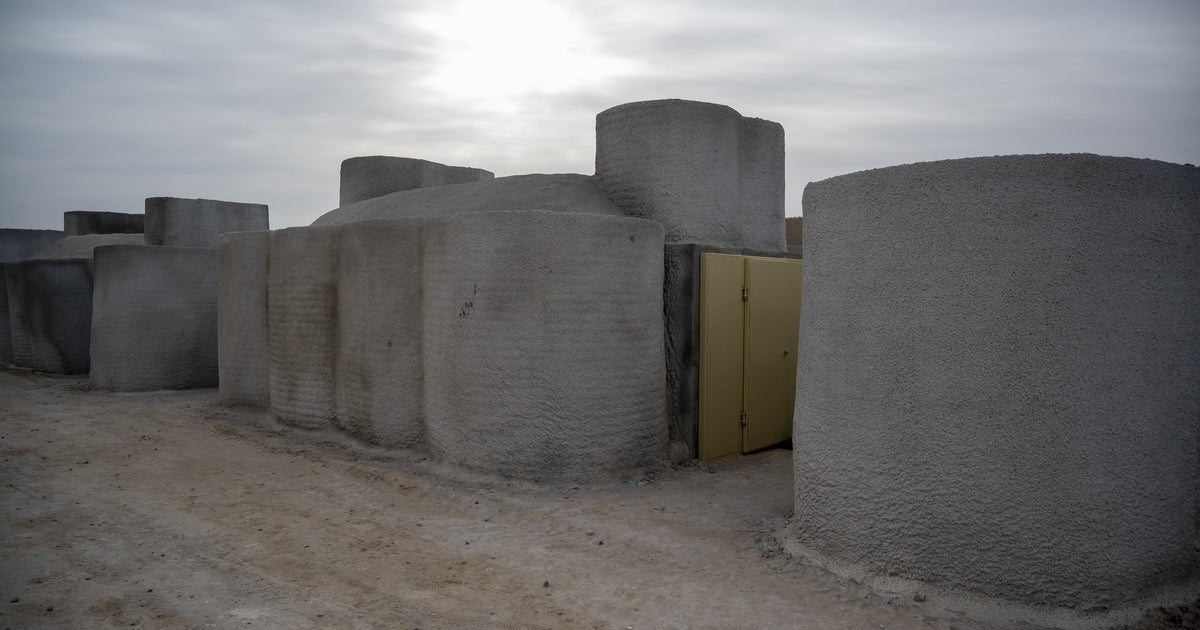
PHOTO CAPTION: Contractors construct a protective bunker at Ali Al Salem Air Base in Kuwait on February 7, 2023. The U.S. Army is now seeking contractors to build 17 reinforced concrete bunkers across Israel, Saudi Arabia, and Lebanon to replace nonstandard shelters, including converted shipping containers. (U.S. Air Force file photo by Senior Airman Nicholas Larsen.)
The U.S. Army is urgently seeking contractors to construct reinforced concrete bunkers across the Middle East after acknowledging that American and coalition troops are currently relying on makeshift shelters, including converted shipping containers, for protection against enemy attacks.
The Army wants 17 new bunkers built across military sites in Israel, Saudi Arabia, and Lebanon, with construction completed within just 45 days of a contract award.
The urgency is spelled out in federal contracting documents published November 13.
Army officials describe soldiers as being at risk while using nonstandard container-based shelters, prompting an expedited effort to replace them with hardened structures designed to protect against indirect fire and explosions.
The revelation comes amid continuing concerns about the protection available to American forces deployed throughout the region following deadly attacks earlier this year.
Soldiers Sheltering in Converted Shipping Containers
According to the Army's procurement notice, troops at multiple locations have been relying on makeshift protective structures that include converted shipping containers.
The Army is now seeking standardized reinforced concrete bunkers that offer more appropriate protection against hostile attacks.
The contract also requires the removal and disposal of existing nonstandard shelters, T-walls, and other obstacles to accommodate the new structures.
Shipping containers are commonly used by military forces for storage, offices, and temporary facilities.
But the Army's own contracting documents identify the existing protective arrangements as inadequate for the current threat environment.
The proposed replacement bunkers would be constructed using heavy reinforced concrete sections and steel doors, with additional protective barriers and sandbags.
The objective is to provide troops with hardened shelters capable of better protecting personnel from indirect fire and fragmentation.
Just 45 Days to Get Them Built
The Army's request covers 17 bunkers across five locations in three countries.
The planned distribution includes:
Israel: 10 bunkers at one military site.
Saudi Arabia: Five bunkers across two sites.
Lebanon: Two bunkers across two sites.
Contractors would have 45 calendar days to deliver fully operational shelters after receiving a contract award.
The proposed construction schedule includes initial preparations, followed by installation and inspection during the remaining period.
The Army is also seeking an unusually fast turnaround from prospective contractors, with a three-day window anticipated for submitting quotes after the formal solicitation is issued.
Interested companies have been instructed to demonstrate their ability to source materials, provide qualified engineering personnel, and complete construction across the specified countries.
As of November 19, the procurement remains a contracting effort. The construction itself has not been confirmed as completed.
Why the Army Says the Work Is Urgent
The bunkers are intended to address growing concerns about threats facing U.S. and coalition personnel across the Middle East.
Since the United States launched Operation Epic Fury against Iran in February, American military facilities in the region have faced threats involving drones, missiles, and other weapons.
Those threats have raised questions about whether existing protective shelters are adequate.
In March, an attack on an American military position at Port Shuiba, Kuwait, killed six U.S. service members and injured others.
An Army major who survived the attack subsequently alleged that concerns about inadequate protection from aerial threats had been dismissed by military leadership.
The allegations were reported by CBS News and have added to scrutiny of force protection measures for deployed personnel.
The newly announced bunker requirement does not establish that the shipping-container shelters at the five affected sites were responsible for any specific casualties.
It does, however, show that the Army now considers replacing those shelters an urgent operational priority.
What Makes the New Bunkers Different?
The proposed structures are intended to provide standardized protection against threats such as incoming rockets, mortars, and explosive fragments.
According to the Army's technical requirements, each bunker would consist of reinforced concrete sections, reinforced entrance protections, and additional sandbag coverage.
Steel doors and large protective barriers would help shield personnel entering and leaving the shelters.
The protective design is substantially different from relying on an ordinary converted shipping container.
A standard cargo container is designed primarily to transport goods, not to serve as a hardened defensive position.
Although shipping containers can be modified and reinforced for military purposes, their protective capabilities depend on the actual construction and materials used.
The Army's requirement specifically calls for replacing its existing nonstandard structures with a consistent bunker design.
Why Were Troops Using Them in the First Place?
That is one of the questions raised by the new procurement effort.
Military forces frequently use temporary facilities during deployments, particularly when operating from locations that lack permanent infrastructure.
Shipping containers are relatively easy to transport and repurpose, making them practical for many support functions.
However, the Army's urgent request shows that the current shelters at these locations are no longer considered sufficient for existing conditions.
The public contracting documents do not establish when the shipping-container shelters were originally installed, who approved their use for personnel protection, or whether requests for hardened bunkers had previously been rejected.
Those details would be necessary to determine whether the situation resulted from earlier planning failures, rapidly changing threats, or a combination of factors.
For now, what is documented is that the Army is seeking to replace existing shelters under an accelerated construction schedule.
Another Question About Protecting Deployed Troops
The Army's bunker request comes months after the Pentagon sought contractors capable of rapidly providing hardened, transportable shelter systems for personnel in the Middle East.
That earlier request sought equipment capable of protecting troops against serious threats, including blasts, fragmentation, and ballistic impacts.
The latest procurement adds another example of the military moving quickly to improve defensive infrastructure during an active regional conflict.
The central issue is not whether temporary facilities can be useful during deployments. They routinely are.
It is whether troops assigned to potentially hostile environments have access to protection appropriate for the threats they face.
The Army has now formally identified the replacement of nonstandard shelters at five Middle East locations as an urgent requirement.
Whether those improvements should have been made earlier remains a question that the procurement documents alone cannot answer.
But the documents make one point clear: the Army wants its personnel moved out of the existing makeshift shelters and into reinforced concrete bunkers as quickly as contractors can build them.
(Source: OAF Nation)