Air Force Housing Health Claims
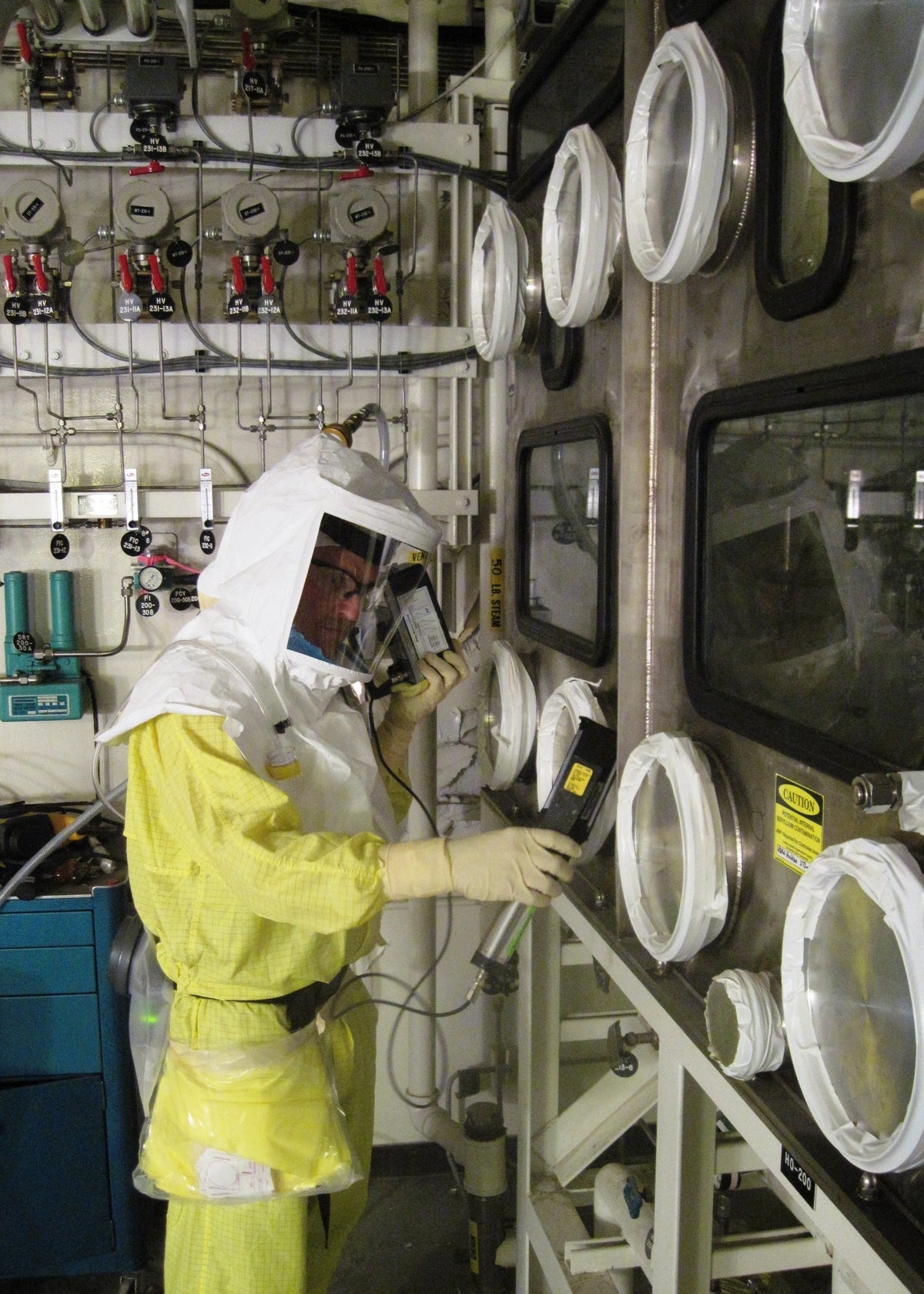
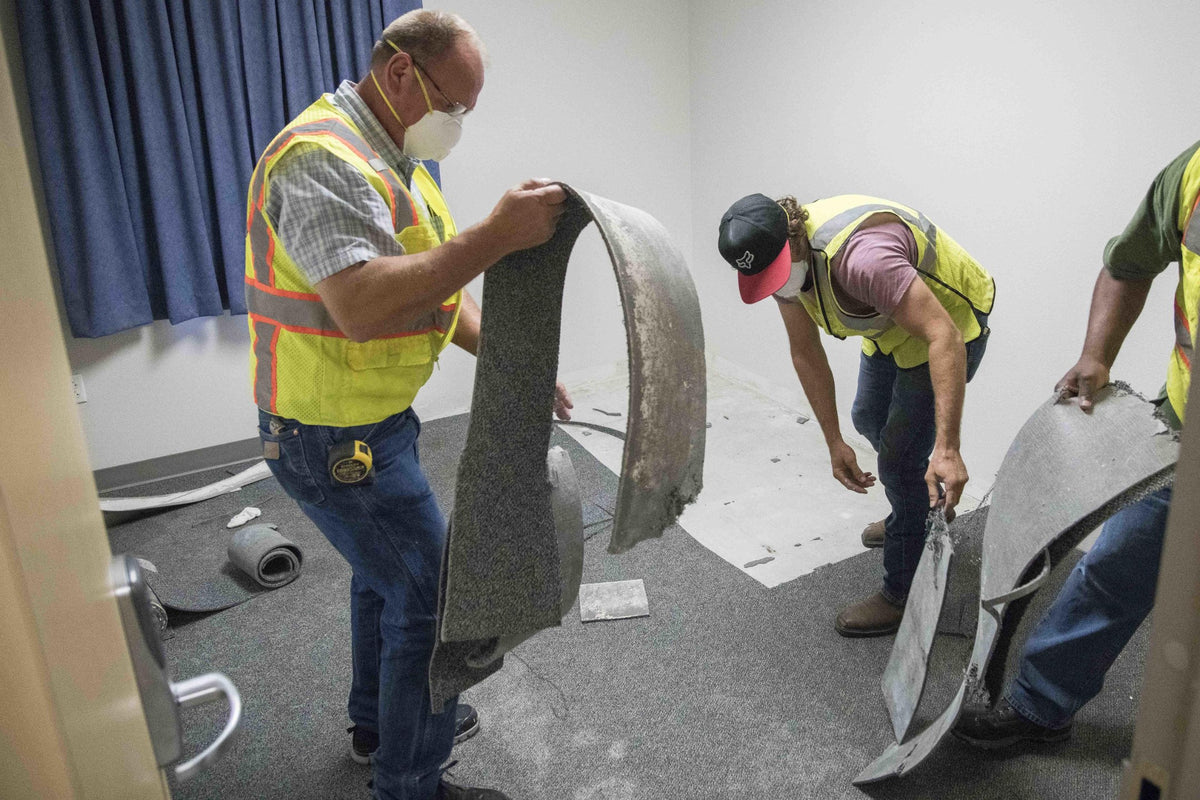
PHOTO CAPTION: U.S. Air Force personnel remove carpeting during mold remediation work at Joint Base San Antonio-Lackland, Texas, on August 1, 2019. The archival photo illustrates military housing concerns raised by Deborah Oliver, who alleges that mold, moisture and rodents in her family's home at nearby Randolph Air Force Base contributed to lasting health problems. The photograph does not depict Oliver's residence. (U.S. Air Force photo by Sean Worrell)
The wife of a retired Air Force colonel says her family's military housing was so overrun by rats and moisture that she used military Meals Ready to Eat and cases of bottled water to block rodents from entering their living space.
Years after leaving the home at Joint Base San Antonio-Randolph in Texas, Deborah Oliver says she is still dealing with serious health problems that she believes began with exposure to mold and other conditions inside the property.
In a new interview published Monday by Military.com, Oliver, 55, described persistent water intrusion, visible mold, rodents and unsuccessful efforts to get problems resolved while her family lived on base from 2017 to 2019.
She says she has been hospitalized three times within the past year for inflammation affecting her heart.
Her claims are part of a longstanding legal dispute involving Hunt Military Communities, a private company responsible for managing housing at numerous military installations.
The Air Force acknowledges receiving housing complaints but has not established that Oliver's medical conditions were caused by the home.
Family Says Problems Began Almost Immediately
Oliver moved into a home on Southwest Road at Randolph Air Force Base in 2017 with her husband, Brad, then an Air Force colonel.
According to her account, warning signs appeared as soon as the family arrived.
She noticed moisture-absorbing containers already placed throughout the property and openings leading into crawl spaces.
She says a large rat crossed the kitchen while the family was moving in.
Neighbors subsequently told her the property had a reputation for mold problems.
Oliver requested the home's maintenance records, particularly those involving its heating and cooling system, but says housing officials refused to provide them and assured her the property was safe.
As time passed, she reported increasingly serious moisture problems.
Water reportedly ran down interior walls, and the two dehumidifiers she purchased needed to be emptied twice every day.
Rodents continued entering through an opening near the kitchen pantry, according to Oliver.
She began stacking MREs and cases of bottled water over the opening to keep them out.
In one account, Oliver described a large rat escaping from several glue traps placed together.
She says maintenance requests failed to resolve the underlying issues.
Oliver Reports Lasting Medical Problems
Oliver previously worked as an environmental scientist and taught microbiology and anatomy-related courses at the University of Alaska Anchorage.
She told Military.com that her professional background made her particularly concerned about moisture, ventilation and mold.
She says her initial symptoms involved difficulty breathing and reduced physical stamina.
Oliver later reported diagnoses including chronic obstructive pulmonary disease, mixed connective tissue disease and cardiac conditions.
She also described recurrent pericarditis, an inflammation of the tissue surrounding the heart, that she says required three hospitalizations in the past year.
Her account connects the onset and progression of these conditions with the family's time in military housing.
However, the precise medical causes of her illnesses have not been independently established. The Air Force has not confirmed a causal relationship between the property's condition and her diagnoses.
Oliver says her declining health contributed to the family's decision to leave military housing. Her husband retired from the Air Force in 2019.
The family now lives in New Braunfels, Texas.
Air Force Says Housing Oversight Has Improved
Joint Base San Antonio spokesperson Benjamin Raughton told Military.com that officials cannot determine whether a person's medical condition was caused by a particular residence through a media inquiry.
He said the Air Force takes housing concerns seriously and has strengthened oversight, resident support and accountability measures since 2019.
According to Raughton, the base works with Hunt Military Communities to investigate moisture intrusion, determine its sources and coordinate repairs.
He encouraged current and former residents with concerns to contact the installation's Military Housing Office.
Hunt Military Communities has previously defended improvements to its housing maintenance programs.
In a March 2026 investigation by the Project On Government Oversight and Texas Observer, company spokesperson Carolyn Baker said Hunt had improved maintenance procedures, environmental remediation protocols, transparency and resident communication.
The company declined to address pending litigation in that investigation.
Those statements do not constitute a finding about what happened inside the Olivers' former home.
Pentagon Investigators Found Broader Oversight Failures
The problems alleged by Oliver are not isolated from a larger national controversy involving privatized military housing.
In September 2025, the Department of Defense inspector general released an audit examining military oversight of Hunt Military Communities at seven installations.
Investigators found that military housing officials at all seven locations had failed to properly carry out aspects of required maintenance oversight and occupancy inspections.
The watchdog warned that inadequate oversight could allow military families to move into properties containing health and safety hazards.
At Randolph Air Force Base, the audit identified problems with the military's ability to review maintenance work orders.
Those findings do not independently prove Oliver's individual allegations, but they substantiate broader concerns about how military housing providers are supervised.
Earlier investigations and federal lawsuits have also documented complaints involving mold, water damage, rodents, inadequate repairs and health concerns in other Randolph homes.
Court Ruling Complicates Military Housing Lawsuits
Oliver joined a lawsuit against Hunt Military Communities in 2019. Military.com reports that her case remains stayed while broader legal questions continue to affect similar disputes.
One important issue is the federal enclave doctrine.
Under that doctrine, certain state laws enacted after land came under exclusive federal jurisdiction may not apply to activities on the property.
That distinction has had major consequences for families suing private housing providers operating on military installations.
In a separate Randolph case, Army officer Shane Vinales and his wife, Becky, won approximately $91,654 after a jury found their housing provider had breached contractual obligations.
However, a federal appeals court upheld the dismissal of several other legal claims, concluding that the federal enclave doctrine prevented the family from relying on certain newer Texas laws.
The U.S. Supreme Court declined to review that case in January 2026.
The decision does not establish the outcome of Oliver's lawsuit, but it illustrates the legal hurdles facing some military families seeking compensation for alleged housing problems.
Family Wants Accountability After Years of Illness
Oliver says her primary goal is to obtain compensation for lost income and potential future medical and caregiving needs.
She also wants other military families to understand the risks of staying silent about unsafe living conditions.
In her interview, she described fears that raising complaints too aggressively could damage a service member's military career.
Oliver's account comes amid continued pressure on the Pentagon and private housing operators to strengthen inspections, make repairs more transparent and ensure that families receive effective responses to health and safety complaints.
For Oliver, the legal fight remains unresolved more than seven years after her family moved out.
The central dispute is whether the housing provider can be held legally responsible for the conditions she describes and the harm she attributes to those conditions.
(Source: OAF Nation)