Air Force Faces $14B Parts Shortage
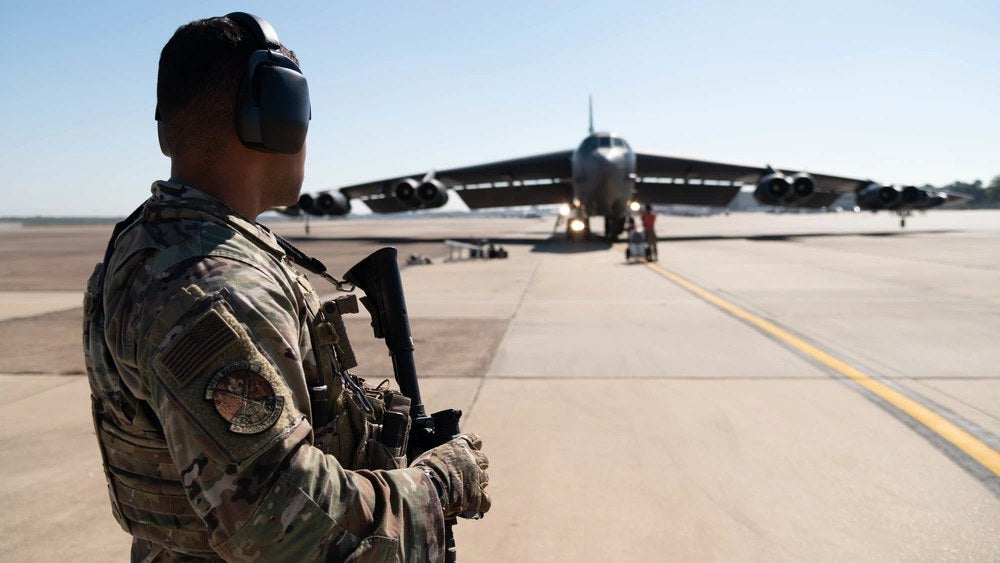
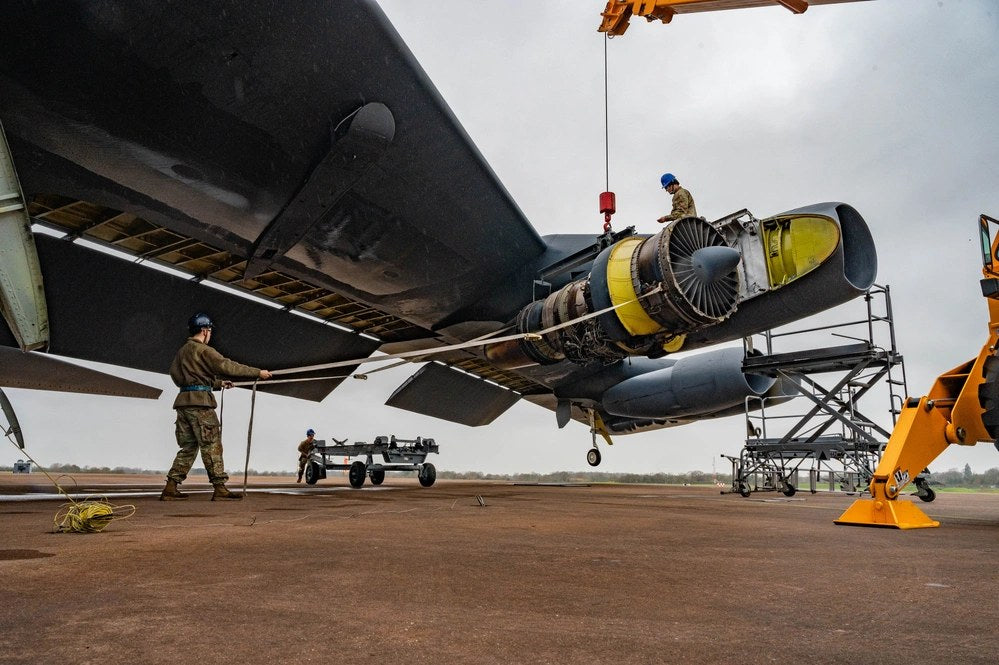
PHOTO CAPTION: Illustrative file photo — Air Force maintainers perform engine maintenance on a B-52H Stratofortress at RAF Fairford, England, Dec. 4, 2024. Air Force leaders say the service is facing a $14 billion aircraft-parts supply gap as it works to improve fleet readiness. (U.S. Air Force photo by Airman 1st Class Laiken King)
The U.S. Air Force is facing what one of its top logistics commanders described as a $14 billion shortage in the supply of aircraft parts, as aging airplanes and worsening supply problems leave more aircraft unavailable for missions.
Lt. Gen. Linda Hurry, commander of Air Force Materiel Command, disclosed the figure during a readiness panel at the Air & Space Forces Association's annual Air, Space & Cyber Conference.
“If I can throw a number out there right now, we have a $14 billion hole in supply,” Hurry told the audience.
The problem is showing up in aircraft availability.
Hurry said the number of aircraft that are down because of supply problems has increased 87% over the past seven years.
At the same time, much of the Air Force is operating aircraft that have been flying for decades.
About 53% of the Air Force fleet is more than 30 years old, according to Hurry, while approximately 55% has exceeded what the service considers its useful service life.
Keeping those aircraft flying creates a complicated supply challenge.
Older fleets may require components that are difficult to obtain, no longer produced in large quantities or supplied by a limited number of manufacturers. Hurry said the Air Force wants multiple companies capable of producing critical components rather than relying on a single source.
She said the service is also examining parts inventories with the Defense Logistics Agency and looking for components that can be moved from depots back into operational use.
The Air Force is seeking additional money to address the problem.
Its fiscal 2027 budget request includes $4.2 billion for the Consolidated Sustainment Activity Group, which supports spare-parts inventories and maintenance work. Hurry acknowledged that the service is unlikely to receive enough money to eliminate the entire $14 billion supply gap at once.
The issue goes beyond simply purchasing more parts.
Hurry said Air Force Materiel Command is trying to improve its ability to forecast which components will be needed and where they should be positioned. The command is using artificial intelligence tools for supply forecasting and additive manufacturing to recreate some difficult-to-obtain components.
The Air Force has also been pushing longer-term contracts with suppliers in an effort to stabilize production.
Hurry said the service needs several potential suppliers for critical parts so that a disruption at one manufacturer does not leave aircraft sitting on the ground.
The consequences of maintenance delays have been documented outside the service as well.
A Government Accountability Office report released in May found increasing delays at the Air Force's three aviation depots, which maintain aircraft including the F-16 Fighting Falcon and C-17 Globemaster III. GAO said those delays reduce the number of aircraft available for operations and training.
The Air Force has seen some evidence that putting more parts and maintenance resources into a fleet can quickly improve readiness.
Under its North Star Readiness Campaign, Air Force Global Strike Command has been working with Air Force Materiel Command and the Defense Logistics Agency to speed delivery of parts, engineering support and depot maintenance for B-1 and B-52 bombers.
Gen. Stephen Davis, commander of Air Force Global Strike Command, said the effort has helped increase B-52 readiness by 40%.
For Davis, the broader parts shortage ultimately comes down to resources.
“We need more money for parts,” he said.
For an Air Force expected to keep decades-old aircraft flying while simultaneously fielding new systems, the newly disclosed $14 billion figure shows the size of the sustainment problem still facing the service.
(Source: OAF Nation)