Veterans Report Rising Loneliness
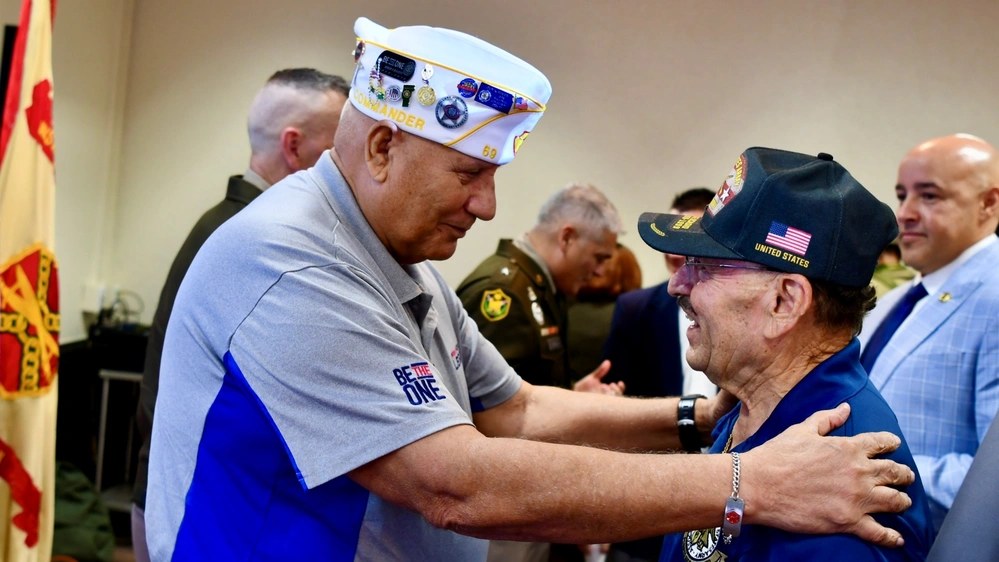
PHOTO CAPTION: Veterans connect during a Retiree/Veterans Appreciation Day event at Fort Buchanan, Puerto Rico, Nov. 6, 2024. U.S. Army photo by David Hernandez.
Nearly six in 10 U.S. military veterans reported experiencing at least moderate loneliness in a new nationally representative study, with researchers finding that frequent loneliness has increased compared with levels measured before the COVID-19 pandemic.
Researchers analyzed responses from the 2025–2026 National Health and Resilience in Veterans Study, a nationwide survey designed to examine the health and well-being of U.S. veterans.
The analysis included 2,612 veterans who completed a three-question measure examining how often they felt isolated, left out or lacking companionship.
Overall, 58.7% of veterans reported either moderate or frequent loneliness.
About 36.3% were classified as moderately lonely, while 22.4% reported frequent loneliness.
Researchers compared those results with data from the 2019–2020 version of the same national study.
Frequent loneliness increased from 19.7% in 2019–2020 to 22.4% in 2025–2026. Researchers estimated that the increase represents roughly 460,000 additional U.S. veterans experiencing frequent loneliness.
The percentage reporting moderate loneliness did not change significantly.
The study also found a strong relationship between loneliness and mental-health problems.
Veterans experiencing moderate loneliness had higher odds of depression, anxiety, post-traumatic stress disorder, hazardous alcohol use and suicidal thoughts during the previous year compared with veterans who reported hardly ever feeling lonely.
Those relationships were even stronger among veterans reporting frequent loneliness.
Researchers found that veterans in the frequently lonely group had significantly higher odds of six of the eight mental-health outcomes examined, including depression, anxiety, PTSD and suicidal ideation.
The prevalence of past-year suicidal thoughts increased as loneliness became more severe.
About 3.8% of veterans who reported hardly ever feeling lonely reported past-year suicidal ideation, compared with 14.8% of moderately lonely veterans and 32.3% of those experiencing frequent loneliness.
The association remained after researchers accounted for demographic characteristics, military history, trauma exposure and health factors.
The findings do not prove that loneliness causes depression, PTSD or suicidal thoughts.
The study captured veterans at a single point in time, meaning researchers could not determine whether loneliness contributed to psychiatric symptoms, psychiatric conditions increased feelings of isolation, or both factors influenced each other.
The researchers said several factors may have contributed to the increase in frequent loneliness, including lasting social effects of the COVID-19 pandemic, changes in the demographic makeup of the veteran population and broader economic and societal pressures.
They also noted that the veteran population is increasingly composed of younger, female and more racially and ethnically diverse veterans, groups that previous research has found may experience different patterns of social isolation.
The findings suggest that loneliness could represent an important target for veteran health programs because social connection is potentially modifiable.
Researchers pointed to approaches including peer-support programs, community activities and programs that connect isolated veterans with other veterans as potential areas for further study.
The research was conducted by investigators affiliated with the Department of Veterans Affairs National Center for PTSD, VA Connecticut Healthcare System and Yale University.
The study was published in August 2026 in The Journal of Clinical Psychiatry.
Source: “A Growing Epidemic of Loneliness Among US Military Veterans: National Trends, Psychiatric Burden, and Suicide Risk,” The Journal of Clinical Psychiatry, 2026.
(Source: OAF Nation)