UK Challenges Hegseth's NATO Remarks
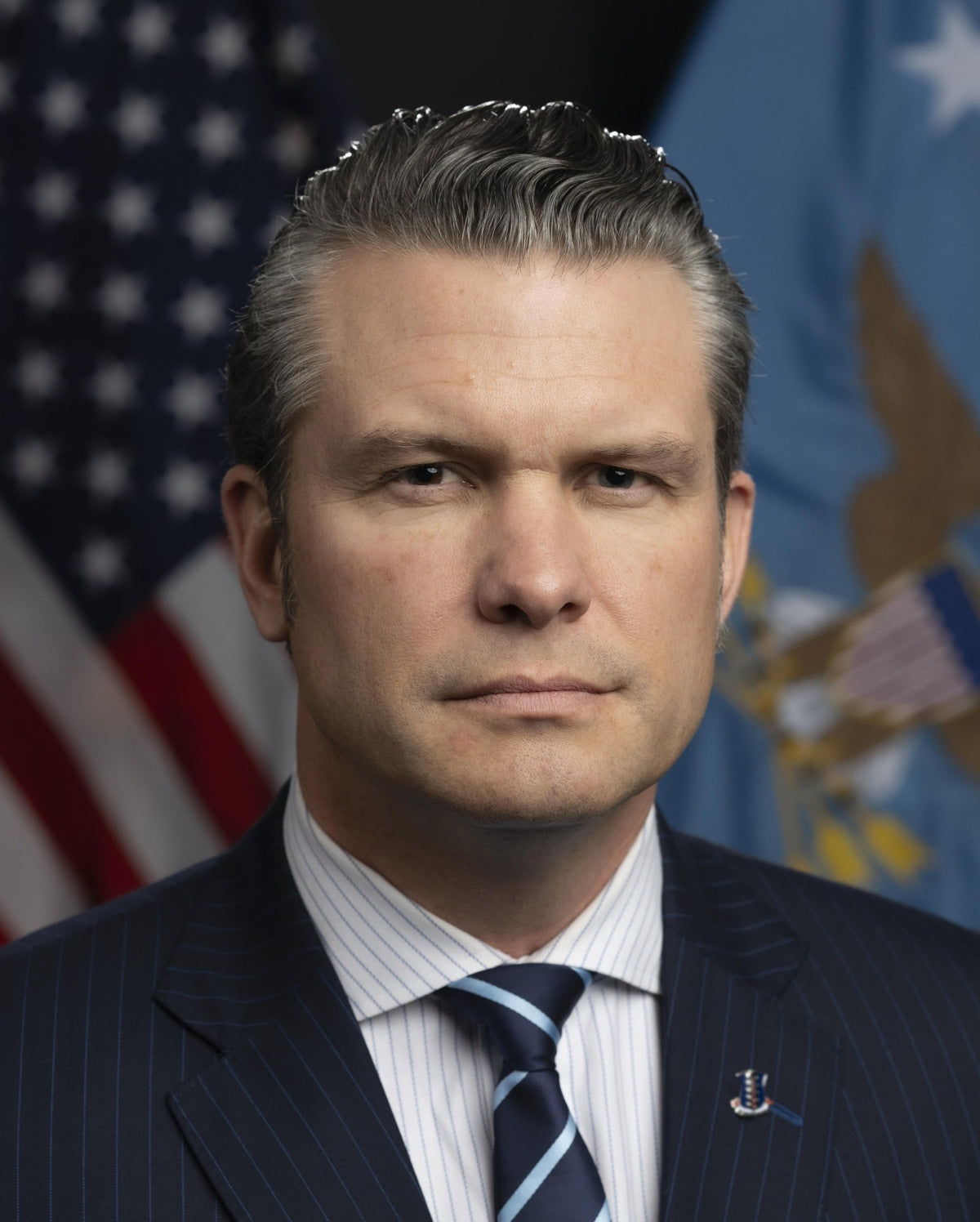
PHOTO CAPTION: Defense Secretary Pete Hegseth, pictured in his official Pentagon portrait, faces criticism from the British government following remarks questioning NATO allies' combat contributions during the Afghanistan war. (Department of Defense photo by Chad J. McNeeley)
The British government has publicly pushed back against Defense Secretary Pete Hegseth after he questioned how many American allies meaningfully contributed to combat operations during the war in Afghanistan.
Speaking to military cadets at the University of Tennessee on Saturday, October 17, Hegseth recalled seeing the flags of approximately 50 countries displayed at NATO headquarters in Kabul.
He argued that only a handful of those countries made significant contributions and suggested that just one or two remained involved in combat operations toward the end of the mission.
The comments prompted a response Monday from the office of Britain's prime minister, which pointed to the sacrifices of British and other NATO personnel who served alongside American troops.
Hegseth Questions NATO's Contributions
Hegseth, who previously served as an Army National Guard officer in Afghanistan, described visiting the headquarters of the International Security Assistance Force, known as ISAF.
He acknowledged the large international coalition but questioned how many participating countries contributed directly to combat.
Hegseth suggested that perhaps five countries made meaningful contributions, with that number falling to one or two conducting what he called kinetic operations toward the end.
He also repeated a joke used by some American service members, saying ISAF stood for "I Saw Americans Fighting."
His comments reflected a longstanding debate about differences in combat responsibilities, national restrictions and burden-sharing among NATO allies.
However, critics argue that the remarks overlooked the combat operations and casualties experienced by coalition forces.
Britain Responds: 457 Personnel Died
On Monday, October 19, a spokesperson for the British prime minister rejected the characterization.
The government emphasized that British and allied military families had made substantial sacrifices during the war and said their service should not be diminished.
According to the British Ministry of Defence, 457 members of the country's armed forces died during operations in Afghanistan.
Britain suffered the second-highest number of military fatalities among coalition nations, behind the United States.
More than 150,000 British military personnel served in Afghanistan over the course of the conflict.
British forces carried out extensive combat operations, particularly in Helmand province, where they fought Taliban insurgents alongside American Marines and other coalition personnel.
More than 1,100 non-American coalition troops died in Afghanistan, according to figures cited by veterans organizations.
NATO's Mission Changed Over Time
The distinction between the different phases of the Afghanistan war is important.
NATO assumed command of ISAF in 2003, and the mission eventually included personnel from approximately 50 countries.
Its responsibilities included combat operations, security missions, training Afghan forces and supporting reconstruction.
At the end of 2014, ISAF concluded and was replaced by Resolute Support, a NATO-led mission primarily focused on advising, training and assisting Afghan security forces.
That later mission was not intended to conduct the same broad combat operations as ISAF.
Hegseth specifically referenced the small number of allied countries conducting combat operations toward the end of the campaign, rather than asserting that NATO nations never participated in fighting.
Dispute Follows Earlier Trump Remarks
The disagreement follows a similar controversy earlier in 2026, when President Donald Trump suggested that NATO allies had remained away from the front lines during the Afghanistan war.
Following criticism from British officials and military veterans, Trump subsequently acknowledged the courage of British personnel.
The latest exchange brings renewed attention to how the contributions of coalition forces are remembered more than five years after the international withdrawal from Afghanistan.
For veterans who served alongside troops from Britain, Canada, Australia and other coalition nations, the debate concerns both the distribution of combat responsibilities and recognition of the sacrifices made during the two-decade conflict.
(Source: OAF Nation)