Supreme Court Rejects 9/11 Plea Deals
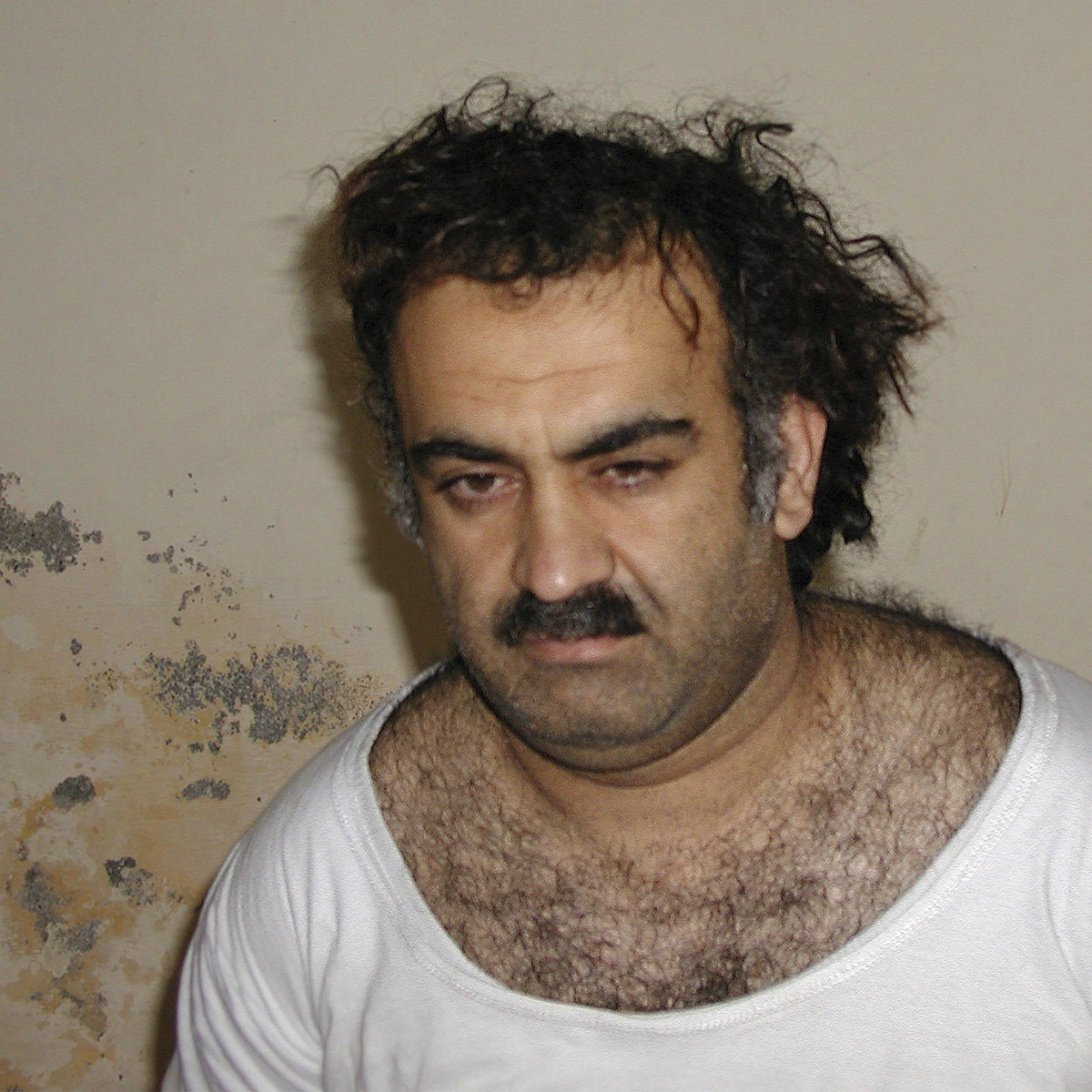
PHOTO CAPTION: Khalid Sheikh Mohammed following his capture in Pakistan in March 2003. On October 19, 2026, the Supreme Court declined to revive plea agreements that would have spared him and two co-defendants from the death penalty for their alleged roles in the September 11 attacks. (CIA/U.S. government photo)
The U.S. Supreme Court on Monday rejected an attempt by accused September 11 mastermind Khalid Sheikh Mohammed and two co-defendants to restore plea agreements that would have spared them the death penalty.
The October 19 decision leaves in place a lower court ruling allowing former Defense Secretary Lloyd Austin's cancellation of the agreements to stand.
Under the original deals, Mohammed and his co-defendants would have pleaded guilty to their roles in the September 11, 2001, terrorist attacks in exchange for life imprisonment without the possibility of parole.
The agreements would have eliminated the possibility of execution.
Instead, the three men now remain eligible for the death penalty if convicted at their long-delayed military trial at Guantanamo Bay.
Plea Deals Canceled by Defense Secretary
In July 2024, military prosecutors reached agreements with Mohammed, Mustafa al Hawsawi and Walid bin Attash.
The agreements were approved by the senior Pentagon official overseeing military commissions at Guantanamo Bay.
Just two days later, Austin intervened and revoked the deals.
Austin argued that decisions involving the potential death penalty for those accused of carrying out the September 11 attacks were too consequential to be delegated and should remain under the authority of the defense secretary.
Defense attorneys challenged his intervention, arguing the agreements had already become binding.
A military judge initially sided with the defendants, but the U.S. Court of Appeals for the D.C. Circuit overturned that decision in July 2025.
In a 2-1 ruling, the appeals court determined that Austin had the authority to withdraw from the agreements.
Supreme Court Declines to Intervene
Mohammed and his co-defendants appealed to the Supreme Court, seeking to restore the original agreements.
On October 19, the justices declined to hear their appeal, leaving the lower court's ruling in place.
The Supreme Court did not issue a detailed opinion explaining its refusal.
The decision does not convict the defendants or sentence them to death. It means the previous agreements cannot be enforced through the appeal that was rejected Monday.
Prosecutors can continue pursuing capital punishment through the military commission process.
Trial Scheduled More Than 26 Years After 9/11
Mohammed is accused of organizing the September 11 attacks, in which hijacked commercial aircraft struck the World Trade Center and Pentagon, while another crashed in Pennsylvania.
Nearly 3,000 people were killed.
Mohammed was captured in Pakistan in March 2003 and has been held at Guantanamo Bay since 2006.
The military prosecution has faced years of delays involving legal challenges, classified evidence, interrogation practices and disputes over the admissibility of evidence obtained through CIA detention and interrogation programs.
In August 2026, a military judge scheduled the trial for June 2028, more than 26 years after the attacks.
Families Divided Over Path to Justice
The proposed plea agreements have divided families of September 11 victims.
Some relatives opposed the deals because they would have permanently removed the possibility of executing those responsible for the attacks.
Others supported the agreements as a way to obtain guilty pleas, life sentences and a definitive resolution after decades of legal proceedings.
Defense attorneys argued that revoking the agreements prolonged one of the most complicated military prosecutions in American history.
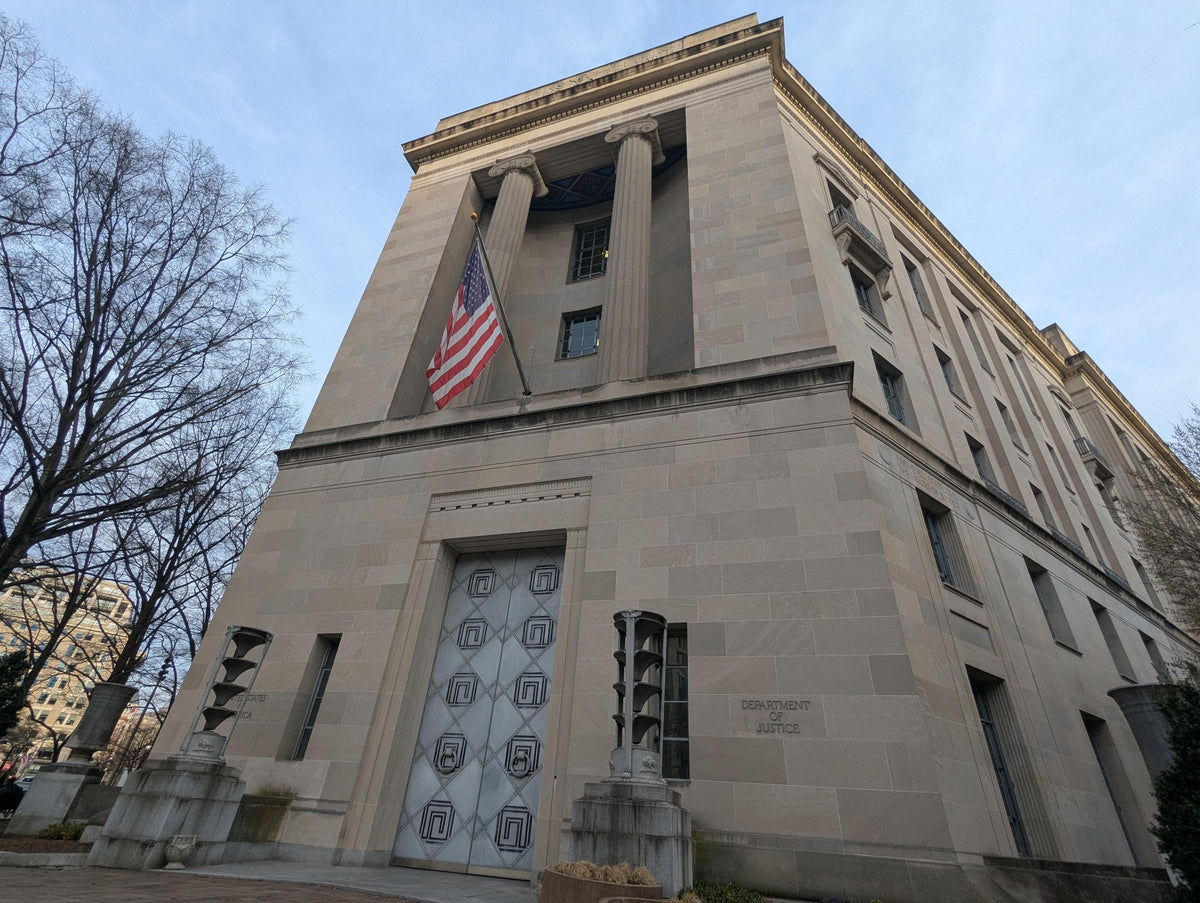
The Justice Department welcomed Monday's Supreme Court action, describing it as another step toward accountability for the September 11 attacks.
For now, the three defendants remain in military custody, and the possibility of a death sentence remains unresolved until further proceedings.
(Source: OAF Nation)