Saudi Arabia Reports Drone Attacks
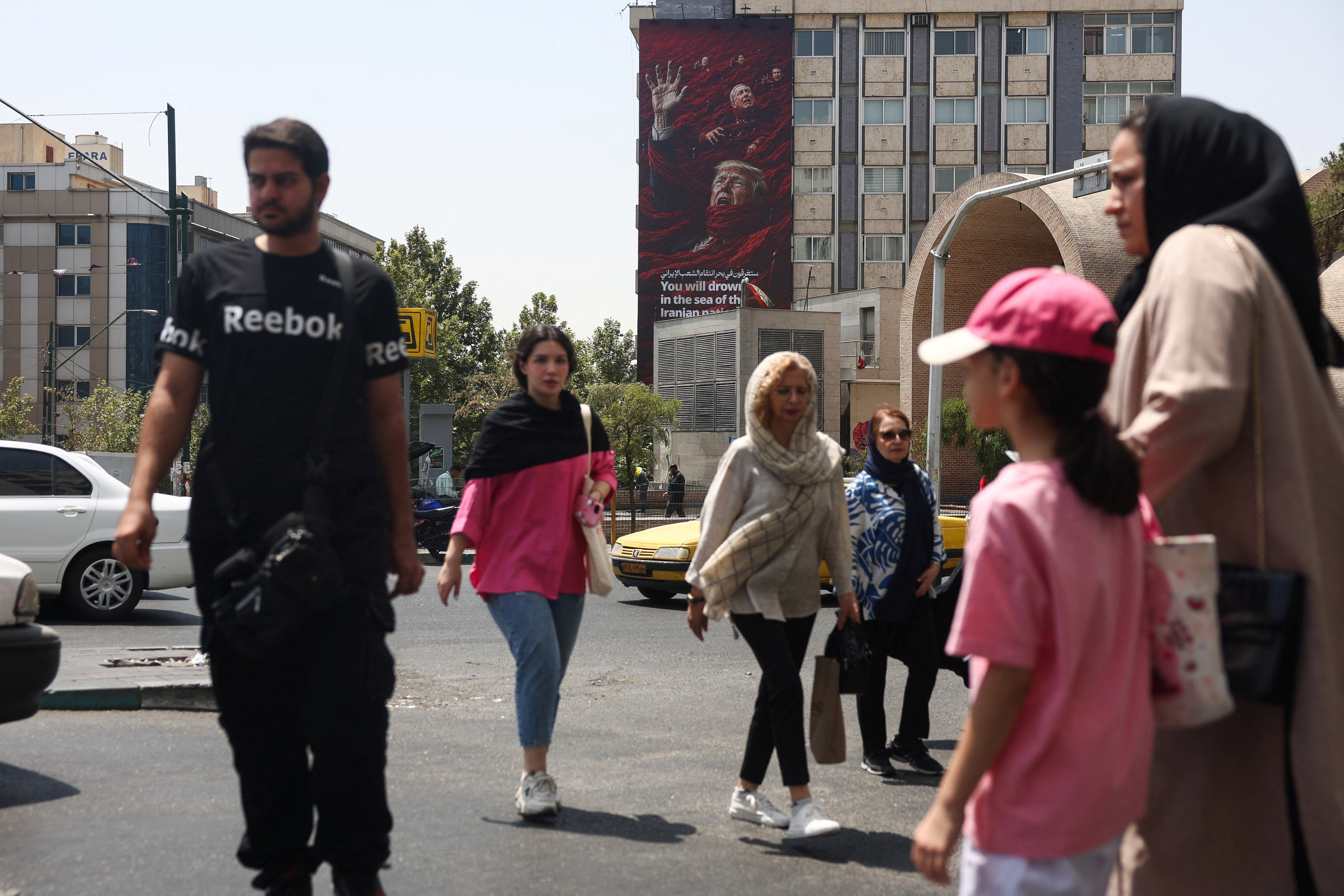
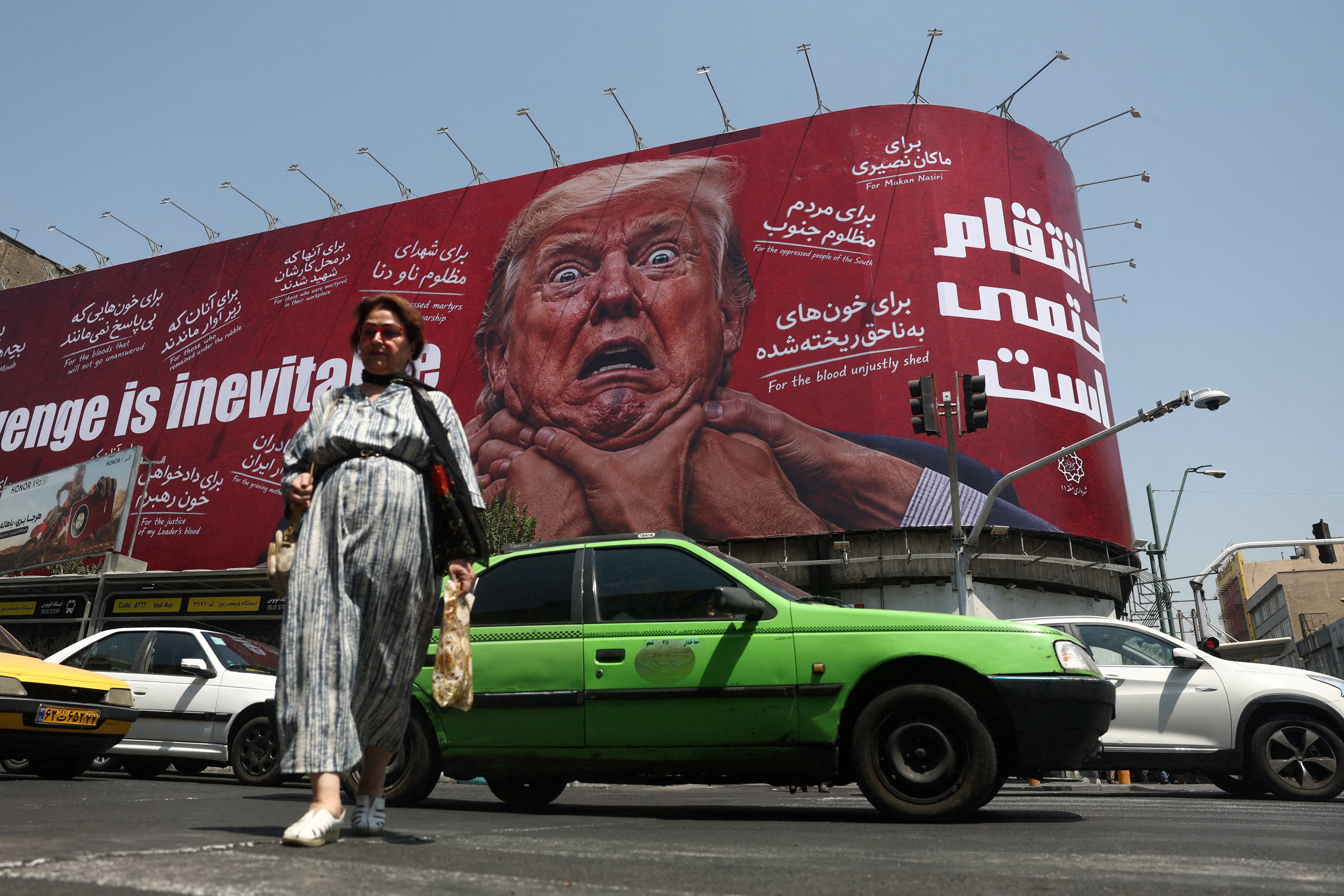
PHOTO CAPTION: A woman walks near a billboard depicting U.S. President Donald Trump on a building in Tehran, Iran, July 27, 2026. Majid Asgaripour/WANA (West Asia News Agency) via REUTERS
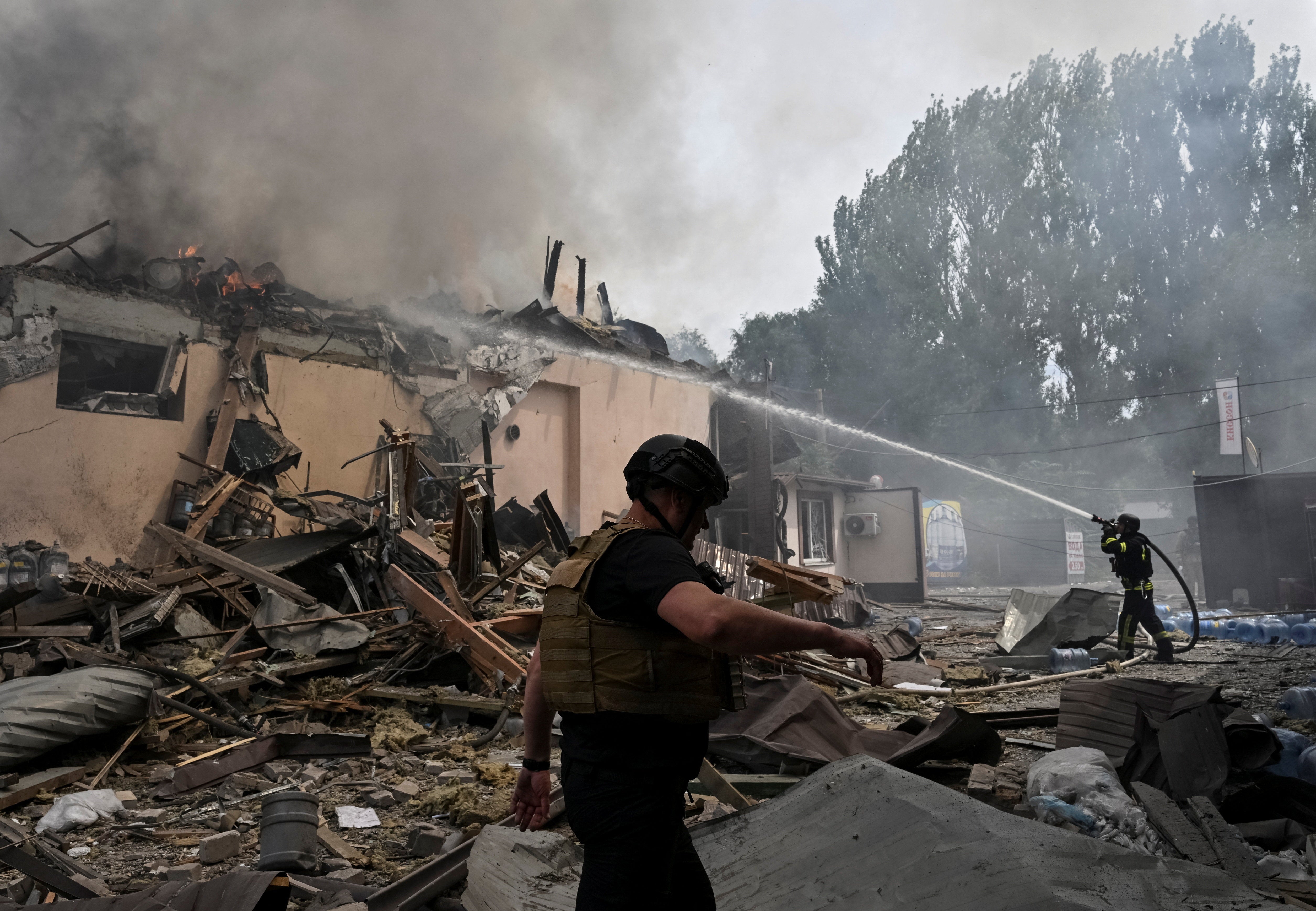
audi Arabia, Jordan and Iraq reported drone attacks Monday, two days after the United States suspended its two-week bombing campaign against Iran.
Saudi Arabia said it intercepted drones aimed at petroleum facilities in its Eastern Province and the capital, Riyadh. It said the drones were launched from Iraq by Iran-backed militias and reserved the right to respond.
Iran’s Houthi allies in Yemen separately said they targeted transit sites carrying oil to Yanbu, Saudi Arabia’s main Red Sea oil port. The Houthis said the strikes were retaliation for what they described as Saudi drone incursions into Yemeni airspace.
Jordan said it shot down two drones. Iraqi security sources also reported a series of drone attacks on camps housing Iranian opposition Kurdish forces in northern Iraq.
Officials did not identify the source of the drones reported over Jordan or northern Iraq.
The attacks came after President Donald Trump abruptly halted 13 consecutive nights of intensifying U.S. airstrikes against Iran. No advance announcement was made before the campaign was suspended over the weekend.
Four U.S. service members were killed at locations in Jordan and northern Iraq during the two-week campaign.
Iran has said it will suspend its own attacks for as long as the U.S. bombing pause continues. Tehran has also said it remains in control of the Strait of Hormuz and is not seeking to restart peace negotiations with Washington.
The suspension of U.S. strikes sent oil prices sharply lower Monday.
Brent crude, which briefly rose above $100 a barrel last week for the first time since May, fell about 6.5% to just over $90. It traded as low as $87.55 during the day.
Trump’s decision followed advice from military officials that the bombing campaign had reached the limits of what it could accomplish, according to a U.S. official and several U.S. media reports.
The U.S. official told Reuters that commanders warned they were running out of selected targets.
General Dan Caine, chairman of the Joint Chiefs of Staff, also expressed concern about declining stocks of air-defense munitions, the official said.
U.S. Ambassador to the United Nations Mike Waltz said Sunday that Trump paused the attacks to create room for negotiations.
Trump, Secretary of State Marco Rubio and other U.S. officials have said Iran was seeking a deal.
Iranian Foreign Ministry spokesperson Esmail Baghaei denied Monday that Tehran had requested renewed talks.
Baghaei said messages were still being exchanged through mediators and that Iran had not abandoned diplomacy. However, he called reports that Iran had asked to resume negotiations “fabricated.”
“This is not in our DNA,” Baghaei said at a televised news conference.
Iran also continued to assert control over shipping through the Strait of Hormuz.
Several Iranian state media outlets cited an unidentified informed source as saying Iran turned back six “offending ships” Monday morning after they attempted to cross the strait without Iranian permission. The source said one vessel had been involved in an accident.
Reuters did not independently confirm the account.
Iran says commercial ships may travel only through a channel closer to its coast, which Tehran controls and where it intends to impose transit fees.
The United States has promoted a separate route closer to Oman’s coast.
Trump renewed the bombing campaign after Iran fired on ships using the U.S.-backed route. Washington said its strikes were intended to punish Iran and protect shipping through the waterway.
The renewed U.S. campaign killed scores of people in Iran and destroyed bridges, tunnels and military targets across the country’s south.
Iranian return fire against U.S. bases in neighboring Arab countries killed four American service members. Iran also struck civilian infrastructure in Gulf states, describing those attacks as retaliation for U.S. strikes on civilian targets.
Last week, the Houthis threatened to extend disruptions to global oil supplies by announcing a blockade of Saudi Arabia’s oil industry in the Red Sea. The announcement helped push oil prices higher before the U.S. bombing pause sent them falling Monday.
The halt has left it unclear what leverage Washington can use to achieve Trump’s stated goal of ending Iran’s control over the Strait of Hormuz.
Washington and Tehran reached a framework agreement in June for talks intended to take place by the end of August. Those discussions were expected to address Iran’s nuclear program and other disputes.
The two sides disagree over language in the agreement concerning the strait. Washington says it requires Iran to allow free passage, while Tehran says it authorizes Iranian supervision of transit.
Iran is also seeking to formalize its control over the waterway through an agreement with Oman, which controls the opposite shore.
A senior Omani delegation visited Tehran over the weekend to discuss the strait. Baghaei said those talks went well.
(Source: Reuters)