Poland, Baltics Boost Security Amid Threats
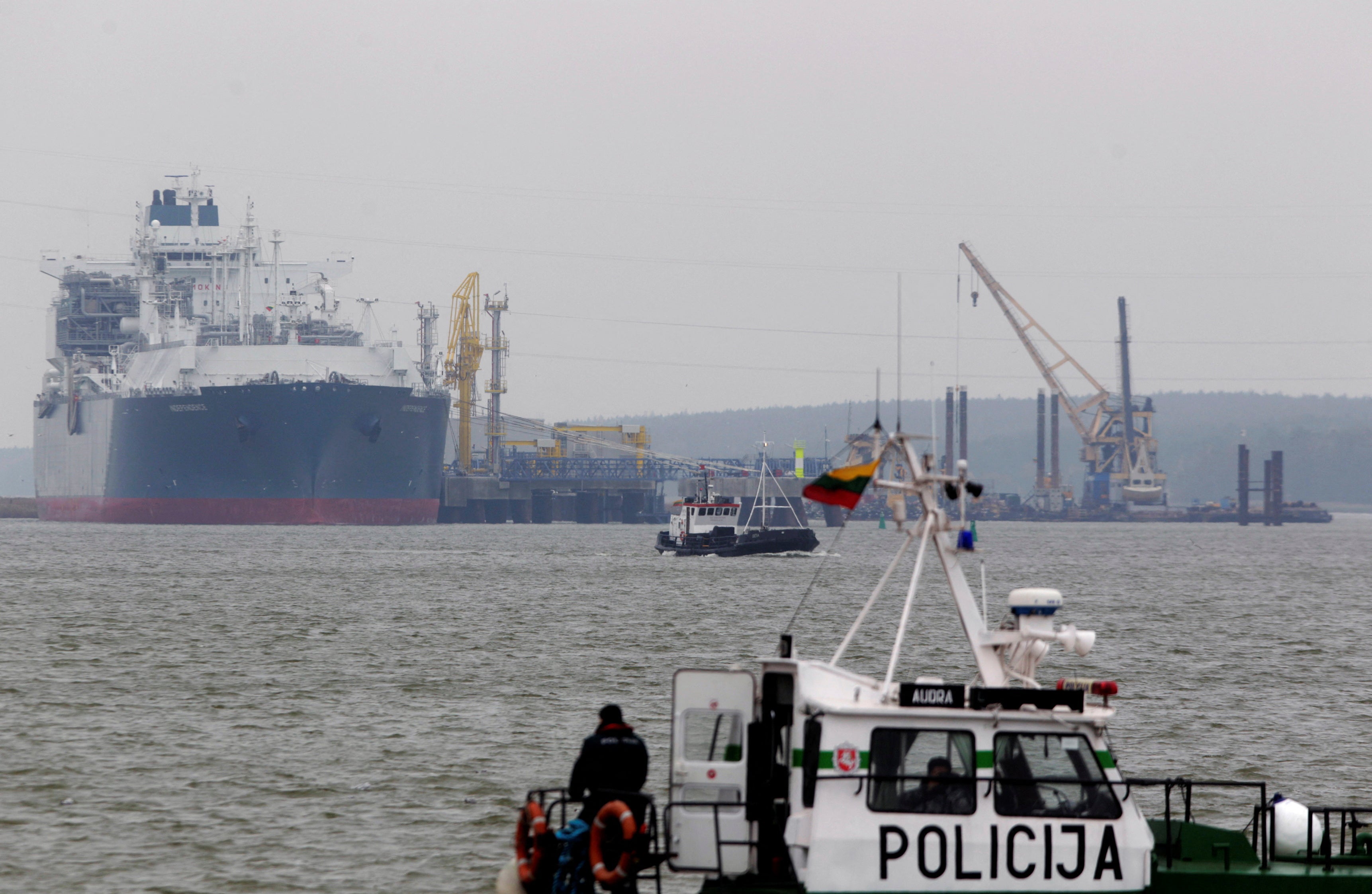
PHOTO CAPTION: FILE PHOTO: A police boat is seen in the foreground of the floating storage regasification unit "Independence" on October 27, 2014, one of the key infrastructure objects in Lithuania now guarded by military due to fears of a Russian false-flag attack. REUTERS/Ints Kalnins/File Photo
WARSAW/VILNIUS, Aug. 10 — Poland and the Baltic states are increasing security around dams, power plants and natural gas infrastructure amid concerns that Russia could stage a “false flag” attack using Ukrainian drones, according to officials and intelligence assessments reviewed by Reuters.
Lithuania said last week that Moscow was considering such an operation, while Poland, Latvia and Estonia have also warned about possible sabotage intended to test NATO’s response. The concern comes as questions persist over the strength of U.S. commitment to the Western military alliance.
Kremlin spokesman Dmitry Peskov said last month that warnings about clandestine Russian attacks were “scare stories” being used to justify militarization against Russia. Moscow has repeatedly denied Western accusations of sabotage and other covert operations.
Poland and the three Baltic states, all of which border Russia and have previously found Ukrainian drones on their territory, are taking additional precautions.
“We are not naive, we see the information, we read between the lines and we are doing our homework,” Lithuanian Defence Minister Robertas Kaunas told Reuters.
Kaunas, Latvia’s prime minister and four intelligence and company officials from across the region shared details with Reuters about intelligence assessments and steps being taken to protect infrastructure. “We are increasing the security of our critical infrastructure, we constantly exchange information with our intelligence on what to do next,” Kaunas said.
Military and police reinforce key sites
Lithuania last month deployed military personnel to support riot police guarding its liquefied natural gas import terminal, oil products terminal, a key power connection with Poland and the Kruonis Pumped Storage hydroelectric plant.
“We are clearly signaling that, if needed, we will be defending ourselves,” Kaunas said.
Latvia has increased security around all critical infrastructure, including the Daugava River dam near Riga and the Incukalns underground gas storage facility, Prime Minister Andris Kulbergs told Reuters. “A potential hybrid threat is more likely than it was before,” he said.
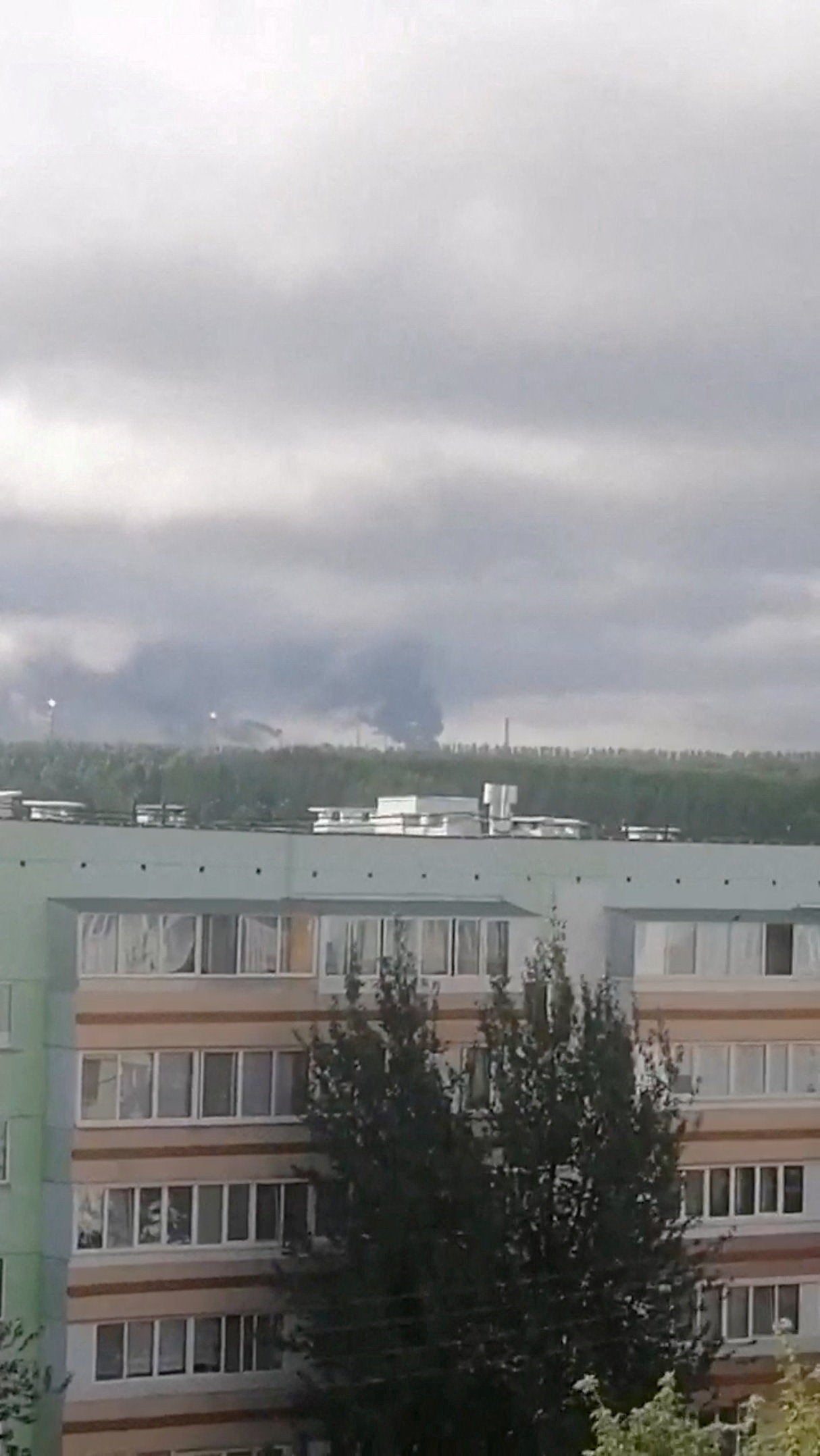
Russia in May accused the Baltic states of preparing to allow Ukrainian drones to attack Russian territory from their countries and promised retaliation. The Baltic governments denied the accusations and protested, while officials became concerned Moscow could stage an attack and use it to justify a response.
A Baltic intelligence official said assessments indicated that Russian military and domestic intelligence agencies were considering a possible false-flag strike against infrastructure in Russia, the Baltic states or Poland using Ukrainian-made drones. The operation could be carried out within days of approval from senior Russian leaders, including President Vladimir Putin, the official said.
According to the official, the greatest concern was not necessarily the immediate damage from such an attack but the “political chaos” it could trigger inside NATO headquarters in Brussels as European allies and the United States debated whether and how to respond.
Another regional official was less certain, saying repeated warnings from “allied intelligence” about Russian activity had made an “overwhelming impression” on Baltic governments but that an attack could happen “between today and never.”
Moscow says Western governments routinely accuse Russia of hostile acts without evidence because of what it calls “Russophobia.” NATO and the Russian Embassy in Vilnius did not immediately respond to Reuters requests for comment.
Poland prepares for infrastructure disruption
In Poland, state-controlled oil and gas company Orlen is studying alternative gas import routes in case its primary supply infrastructure is disrupted, according to a person familiar with its operations. Orlen imports about 80% of Poland’s gas through the Swinoujscie liquefied natural gas terminal on the Baltic Sea and an undersea pipeline from Norway that comes ashore nearby.
Gaz-System, which owns the infrastructure, is operating with “increased vigilance,” according to another person with direct knowledge of the situation. Orlen declined to discuss specific preventive measures, while a Gaz-System spokesperson said the company was monitoring geopolitical developments and responding appropriately.
Polskie Elektrownie Jadrowe, the state-owned developer of Poland’s first nuclear power plant, said forged company documents intended to confuse stakeholders had appeared and could be traced to somewhere “east of Poland.” Spokesman Marcin Skolimowski said the company was investigating with special services and law enforcement while monitoring the planned construction site for sabotage and other threats.
Poland’s power-grid operator and a branch of the military also began increasing security in July around a power connection with Ukraine that helps stabilize the country’s war-damaged grid.
“This is an area where heightened vigilance is required, so we are using all available resources,” grid operator spokesperson Maciej Wapinski told Reuters. The operator expects the military eventually to help protect other critical infrastructure in eastern Poland.
Concerns about unexplained drones have also spread elsewhere in Europe. German officials last week found a drone carrying explosives at Leipzig/Halle Airport, and Interior Minister Alexander Dobrindt called the incident a hybrid attack without assigning blame. Russia has rejected suggestions from German politicians and media that it was responsible.
Wojciech Kononczuk, director of the Polish state-funded OSW Centre for Eastern Studies, said repeated Russian accusations that the Baltic states are acting on Ukraine’s behalf could be laying the groundwork for future Russian attacks.
With Russian forces bogged down in Ukraine and Ukrainian attacks damaging Russian energy and other infrastructure, Kononczuk said Moscow could be seeking to regain leverage. He said the message to Europe would be that rejecting Russian demands could bring wider destabilization, a risky strategy based on the calculation that NATO members may lack the will to respond.
(Source: Reuters)