Pentagon Warns of Pacific Base Decay
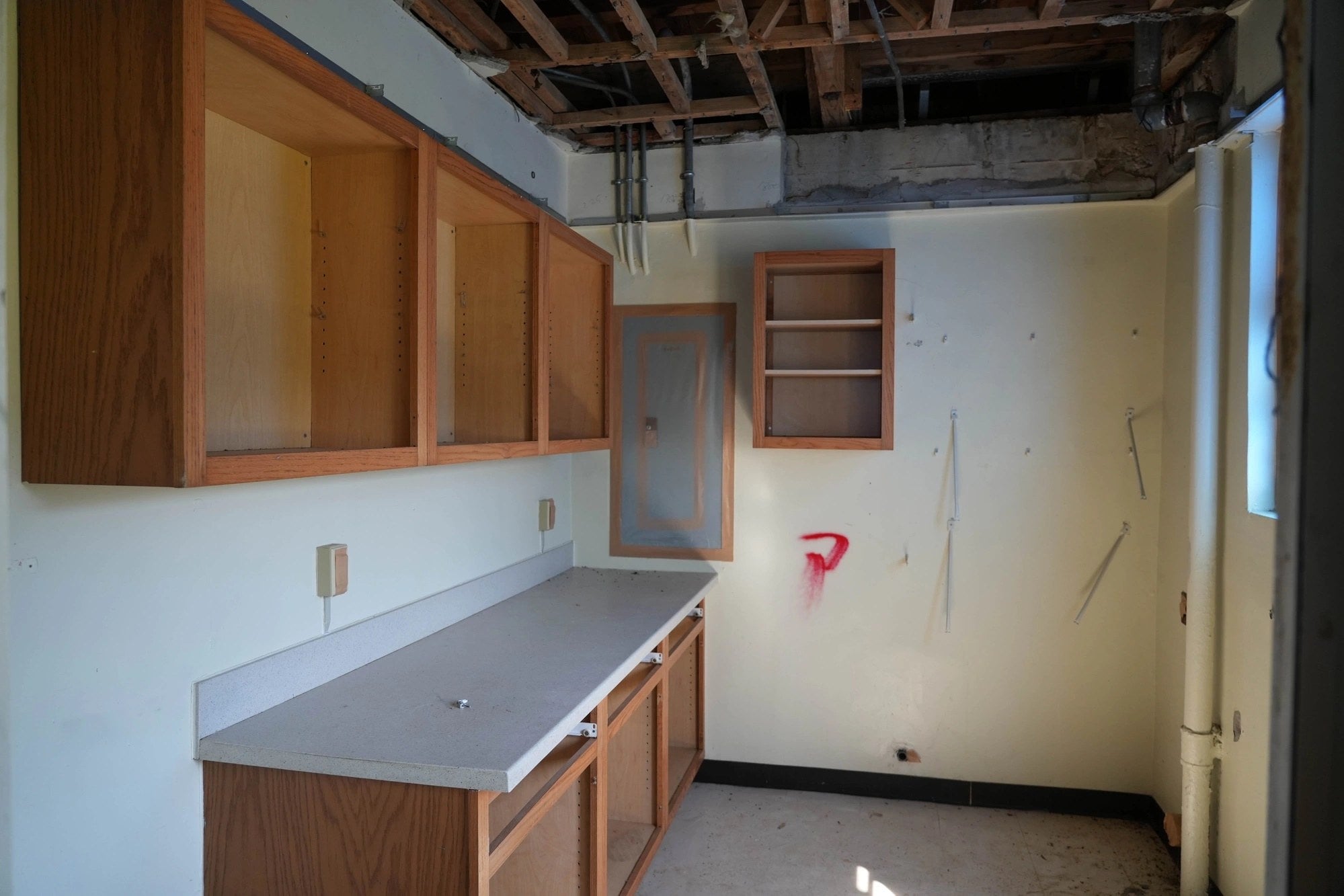
PHOTO CAPTION: Stearley Heights military family housing at Kadena Air Base, Okinawa, Japan, during renovation. (U.S. Army Corps of Engineers photo by Patrick Ciccarone)
A Pentagon watchdog is warning that deteriorating infrastructure at U.S. military installations in the Pacific needs immediate attention after inspectors documented mold, asbestos, crumbling concrete, failing water systems and damaged military housing.
The problems surfaced during an inspector general evaluation originally focused on electromagnetic-pulse protection at facilities under U.S. Pacific Command. Inspectors examined 11 installations, with the publicly released findings detailing significant problems at bases in Japan, including Kadena and Yokota air bases and Marine Corps facilities on Okinawa.
Some of the most striking findings involved military family housing at Kadena.
At the Stearley Heights housing complex, the inspector general reported that 139 homes were affected by ceiling collapse and 22 units were vacated. Photographs included in the report show sections of ceilings missing and debris scattered across the furniture and floor of a family living room.
The problems extended beyond one neighborhood. Inspectors documented mold and concrete deterioration across hundreds of housing units at Kadena and nearby military facilities. Seventy-five housing units had been vacated because of mold, concrete spalling or both, while 544 units at Kinser Tower on Marine Corps Camp Kinser were affected by concrete deterioration.
Inspectors also found problems in buildings used for military operations, maintenance and communications. The public report documented visible corrosion, cracks, exposed reinforcing steel, asbestos-containing materials, water intrusion and other deterioration. One Kadena building that had already been declared unsafe had about eight inches of standing water on its roof.
Water infrastructure was another concern. Aging pipelines at Kadena and Yokota have suffered breaks and disruptions, including one reported 12-foot crack in a Kadena water line that resulted in the loss of approximately 400 million gallons of water. Another failure beneath a Kadena taxiway lost more than 4 million gallons, according to the inspector general findings.
Military officials attributed the deterioration to several factors, including aging facilities, typhoons and earthquakes, personnel shortages, high construction costs and uncertainty over repair funding. Officials told inspectors that in some areas, falling pieces of deteriorating structures posed an ongoing safety risk to personnel.
U.S. Forces Japan said work is already underway on some of the problems and called the safety and quality of life of service members and their families a top priority. The inspector general, however, is seeking prioritized repair plans, funding sources and documentation showing how the military intends to address the deficiencies.
The watchdog said some recommendations will remain unresolved until the Pentagon and military services provide more detailed corrective-action plans.
For service members and families stationed in the Pacific, the findings turn what might otherwise look like a facilities-maintenance issue into something much more immediate: the condition of the homes, workplaces and infrastructure they rely on every day.
(Source: OAF Nation)