Pentagon Waives NDA for UAP Info
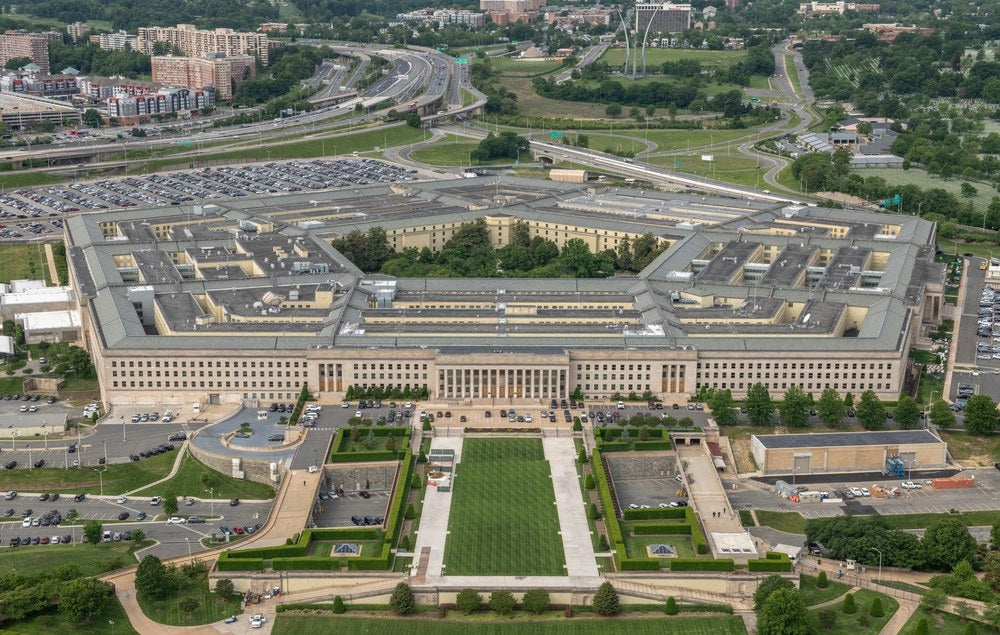
PHOTO CAPTION: The Pentagon in Arlington, Virginia. The Department of War issued a new legal waiver Sept. 14 allowing certain current and former personnel to provide protected UAP information through the government’s PURSUE program despite some NDA and Special Access Program restrictions. U.S. Air Force photo by Staff Sgt. Brittany A. Chase/DVIDS.
The Pentagon has issued a new legal waiver allowing current and former military personnel, civilian employees and defense contractors with protected information about unidentified anomalous phenomena to disclose that information without violating certain secrecy agreements.
But there is an important catch.
The waiver does not give people permission to publicly reveal classified UFO or UAP information.
Instead, it creates a protected pathway for them to provide information directly to designated representatives of the government’s Presidential Unsealing and Reporting System for UAP Encounters, known as PURSUE.
The Department of War announced the change Monday, Sept. 14, describing it as a “targeted legal waiver” intended to remove barriers that officials say have discouraged people with direct knowledge of UAP-related programs from coming forward.
Under the directive, current and former service members, civilian personnel and contractors who hold — or previously held — access to UAP-related National Defense Information may provide protected information directly to authorized PURSUE representatives.
The Waiver Reaches Into Special Access Program Agreements
The unusual part is exactly which restrictions the Pentagon says it is setting aside.
According to the department, the waiver supersedes civil and administrative enforcement provisions contained in Non-Disclosure Agreements and Special Access Program Indoctrination Agreements for covered communications with PURSUE.
Special Access Programs generally involve some of the military and intelligence community's most tightly controlled information.
The Pentagon said people with direct knowledge of UAP-related programs have previously cited concerns that speaking could expose them to legal liability, loss of security clearances or administrative action.
The new waiver is intended to remove those barriers when information is supplied through the authorized PURSUE channel.
That does not mean the underlying information automatically becomes public.
The department says material provided through the program will undergo review and security evaluation before any potential declassification or public release.
This Is Not Permission to Tell the Public Classified Secrets
That distinction matters.
The waiver applies specifically to communications with authorized PURSUE representatives.
It does not broadly cancel someone's secrecy obligations, declassify UAP information or authorize former troops and contractors to begin publicly discussing classified programs.
In other words, a person who believes he or she possesses protected information can now have a government-approved path around certain NDA restrictions — but only by using the designated reporting process.
There is also some history here.
The Pentagon's All-domain Anomaly Resolution Office, or AARO, already had congressional authority to receive sensitive information from witnesses regardless of classification level or certain nondisclosure agreements.
AARO officials have previously encouraged people with firsthand information to use its secure reporting mechanism.
What changed Monday is that the Pentagon has now created a separate, explicit waiver tied to the Trump administration's PURSUE effort.
PURSUE Has Already Released Five Batches of UAP Records
PURSUE was launched earlier this year after President Donald Trump directed federal agencies to identify and begin releasing government records involving UAP, UFOs and alleged extraterrestrial activity.
The Pentagon published its first PURSUE release May 8 and has subsequently released additional batches of records.
The fifth tranche was published Aug. 7, with the department saying additional files would continue to be released on a rolling basis.
The collection includes government reports, historical records, imagery and military sensor footage.
Now the government is attempting to create another source of information: people who may have been reluctant to speak because of secrecy agreements they signed while serving or working inside classified programs.
That creates an obvious question the new waiver does not answer:
What information does the government believe is still being withheld because the people who know it are afraid to talk?
The waiver itself does not establish that secret extraterrestrial technology exists, nor does it validate the most extraordinary claims surrounding UAP.
What it does establish is that the Pentagon believes existing secrecy agreements have been enough of an obstacle to warrant formally creating a legal path around them.
And that alone is likely to fuel the debate over what information remains behind classified doors.
(Source: OAF Nation)