Pentagon Uses Medical Records for Separations
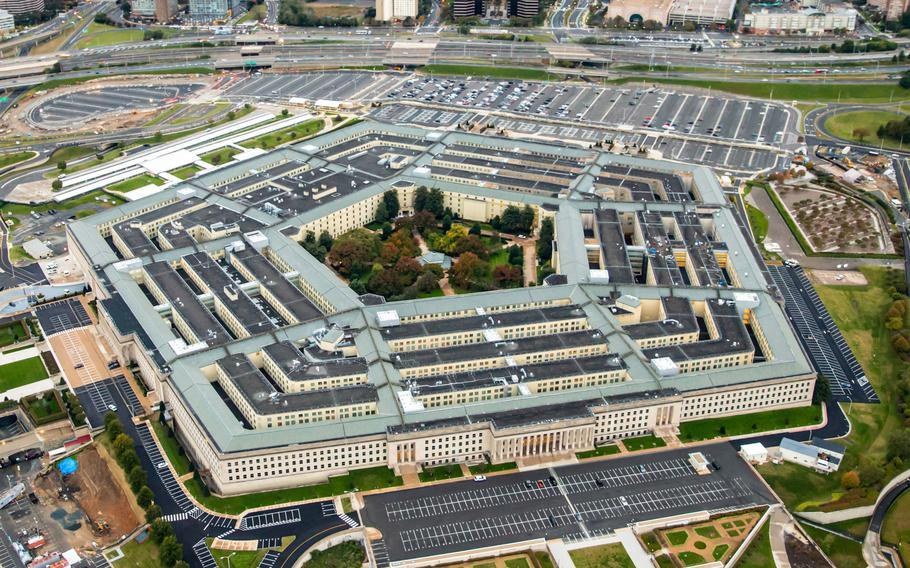
PHOTO CAPTION: An aerial view of the Pentagon in Arlington, Virginia. A Federal News Network investigation reported that military medical records have been used to identify personnel for separation under the Pentagon's transgender service policy. (U.S. Air Force photo by Staff Sgt. Brittany A. Chase)
The Pentagon has been using military medical and personnel records to identify service members for separation under the Trump administration's transgender military service policy, according to an investigation originally published by Federal News Network on September 7.
The investigation found that commanders across the armed forces were receiving notifications about personnel whose medical histories indicated a current or previous diagnosis of gender dysphoria.
Advocates and attorneys estimated that several hundred active-duty and Reserve personnel, including military academy and ROTC cadets, had been identified through the process.
The Pentagon has not independently confirmed that estimate.
Medical Records Used to Identify Personnel
According to Federal News Network, an internal Air Force email from July 31 indicated that the Office of the Secretary of Defense had identified individuals through information contained in their electronic health records.
The investigation described the military's potential use of MHS Genesis, the Defense Department's electronic health records system, along with other medical and personnel databases.
These systems can contain sensitive information about previous diagnoses, prescriptions, counseling and medical treatments, including care obtained through TRICARE.
One reported separation referral included details from a service member's past treatment, including counseling sessions and prescribed medication.
The reporting also found that an internal Army directive prohibited commanders from broadly searching medical records themselves, while permitting notifications based on information supplied by higher headquarters.
Pentagon Cites Military Readiness
The separations follow Defense Department policies implemented in 2025 under President Donald Trump.
The administration maintains that a current or previous diagnosis of gender dysphoria is incompatible with its military readiness standards, with limited exceptions.
Defense officials have directed the services to identify personnel covered by the policy and begin separation proceedings.
Critics argue that using historical medical information in this manner raises serious questions about privacy, confidentiality and the treatment of service members who complied with earlier military policies.
Military health privacy rules permit certain medical information to be shared with commanders for authorized readiness purposes. Whether the reported disclosures comply with all applicable requirements remains a legal question.
Separations Face Ongoing Court Challenges
Multiple lawsuits have challenged the Pentagon's restrictions on transgender military service.
The dispute includes questions about constitutional protections, the military's authority to establish medical standards and whether service members already serving should be allowed to remain.
More recently, court filings reported in October identified additional service members facing involuntary separation proceedings while legal challenges continue.
For affected troops, the consequences can include the loss of military careers, retirement opportunities and, depending on individual circumstances, certain separation benefits.
The Defense Department and military services declined Federal News Network's questions about the investigation, citing ongoing litigation.
The findings raise a broader question about how sensitive military health records can be used when the Defense Department changes its eligibility requirements for continued service.
(Source: OAF Nation)