
Pentagon Bans Insider Betting
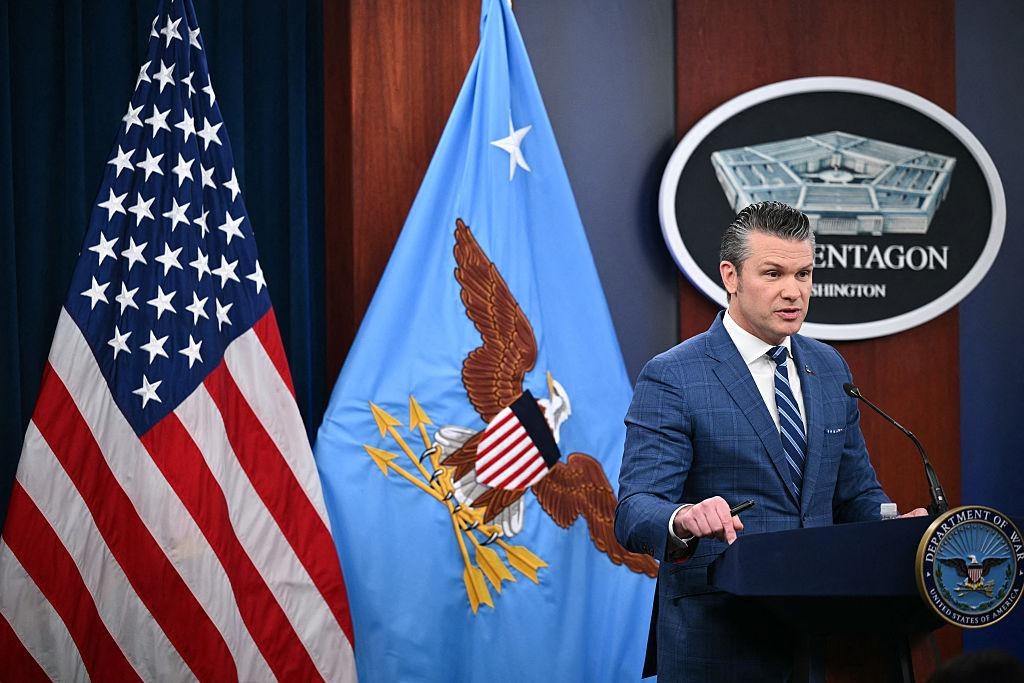
PHOTO CAPTION: Defense Secretary Pete Hegseth appears at the Pentagon on August 19, 2026. In an October 20 directive, Hegseth prohibited military personnel and civilian employees from using nonpublic government information to place financial bets, including wagers on military operations. The order follows the prosecution of an Army Special Forces soldier accused of making nearly $410,000 from bets tied to a classified mission in Venezuela. (U.S. Navy photo by Petty Officer 2nd Class Charlotte Duran)
Defense Secretary Pete Hegseth has issued a Pentagon-wide directive prohibiting military personnel and civilian employees from using nonpublic government information to make financial bets, months after an Army Special Forces master sergeant was accused of making more than $400,000 by wagering on a classified mission to capture Venezuelan leader Nicolás Maduro.
The October 20 memorandum, first publicly reported Thursday, specifically identifies prediction markets such as Polymarket and Kalshi, warning that financial transactions tied to military operations could reveal sensitive information to America's adversaries.
Violators could face military discipline or criminal prosecution under federal law.
Pentagon Warns Betting Can Reveal Military Operations
The one-page memorandum, titled "Do Not Compromise Military Operations for Personal Financial Gain," was sent to senior Pentagon leadership, combatant commanders and Defense Department agency directors.
It prohibits personnel from making financial transactions using nonpublic information obtained through their government positions, whether that information is classified or unclassified.
The prohibition also applies to transactions made indirectly through third parties.
Hegseth specifically warned that foreign intelligence agencies could monitor prediction-market activity to identify patterns connected to upcoming military operations.
"Our enemies watch movements in these markets," he wrote.
The concern is that unusual betting activity could reveal information about future targets, troop movements or the timing of military strikes.
The memorandum also warns that personnel with money riding on a military outcome could develop financial interests that conflict with their professional responsibilities.
The directive does not prohibit every form of personal betting by military personnel. It addresses the use of nonpublic information for financial gain, conduct that may already violate federal law and military regulations.
Special Forces Soldier Accused of Profiting From Maduro Raid
The directive follows an extraordinary federal criminal case involving Army Master Sgt. Gannon Ken Van Dyke, 38, an active-duty Special Forces soldier stationed at Fort Bragg, North Carolina.
Federal prosecutors charged Van Dyke in April with using classified information about Operation Absolute Resolve, the U.S. military mission that captured Nicolás Maduro in Venezuela on January 3, 2026.
According to the indictment, Van Dyke participated in planning and executing the mission and had access to sensitive operational information before it became public.
Prosecutors allege that instead of protecting that information, he used it to place wagers predicting U.S. military action and Maduro's removal from power.
Prosecutors Allege $33,034 in Bets Generated $409,881
According to the Justice Department, Van Dyke created a Polymarket account in late December 2025.
Between December 27 and January 2, he allegedly placed approximately 13 wagers totaling $33,034.
The contracts predicted outcomes including whether American forces would enter Venezuela, whether Maduro would be removed from power and whether the United States would invade by specific deadlines.
Prosecutors allege Van Dyke consistently bet on those events occurring.
In the early hours of January 3, U.S. forces captured Maduro and his wife, Cilia Flores, in Caracas.
After the operation became public, the relevant contracts resolved in favor of the positions Van Dyke had allegedly purchased.
According to federal authorities, the trades generated approximately $409,881 in profit.
These figures are allegations contained in the prosecution's case, not established findings of guilt.
Soldier Allegedly Tried to Conceal the Money
The indictment also alleges that Van Dyke moved much of the proceeds through a foreign cryptocurrency vault before depositing funds into a newly established brokerage account.
Prosecutors say he attempted to conceal his connection to the trading activity after unusual bets involving Maduro attracted public attention.
On January 6, he allegedly asked Polymarket to delete his account, claiming he had lost access to its registered email address.
Investigators also allege that he changed an email address associated with a cryptocurrency exchange to obscure his identity.
Van Dyke was charged with offenses involving misuse of confidential government information, commodities fraud, wire fraud and unlawful financial transactions.
He pleaded not guilty during an April 28 appearance in Manhattan federal court and was released on a $250,000 personal recognizance bond with restrictions.
He is presumed innocent unless proven guilty.
Concerns Extend Beyond One Criminal Case
Federal officials have raised broader concerns about prediction markets that allow participants to trade contracts linked to political, economic and military events.
Unlike a conventional sports wager, a prediction-market contract can be tied to the date of a military operation, the removal of a foreign leader or the outcome of international negotiations.
Researchers have identified suspicious trading patterns involving some military-related events, although unusual market activity alone does not prove that classified information was misused.
The Pentagon's concern is not limited to individual financial misconduct.
A series of bets placed by people with advance operational knowledge could potentially alert foreign intelligence services to an approaching mission, even if those individuals never directly disclose a classified document.
Violators Face Military or Federal Penalties
Hegseth's memorandum states that violations may lead to administrative or disciplinary action and, when appropriate, criminal prosecution under the Uniform Code of Military Justice or applicable federal law.
The directive applies to Defense Department personnel using nonpublic information for financial transactions, regardless of whether the information carries a formal classification marking.
The Pentagon has not announced additional criminal cases resulting directly from the new directive.
It also has not publicly established that the rule prohibits personnel from all legal betting activity unrelated to their official access.
The October 20 directive reinforces the government's position that advance knowledge of military operations cannot be exploited for personal profit, particularly when financial transactions themselves could expose sensitive information about the mission or personnel involved.
(Source: OAF Nation)









