Oil Prices Dip Amid U.S.-Iran Tensions
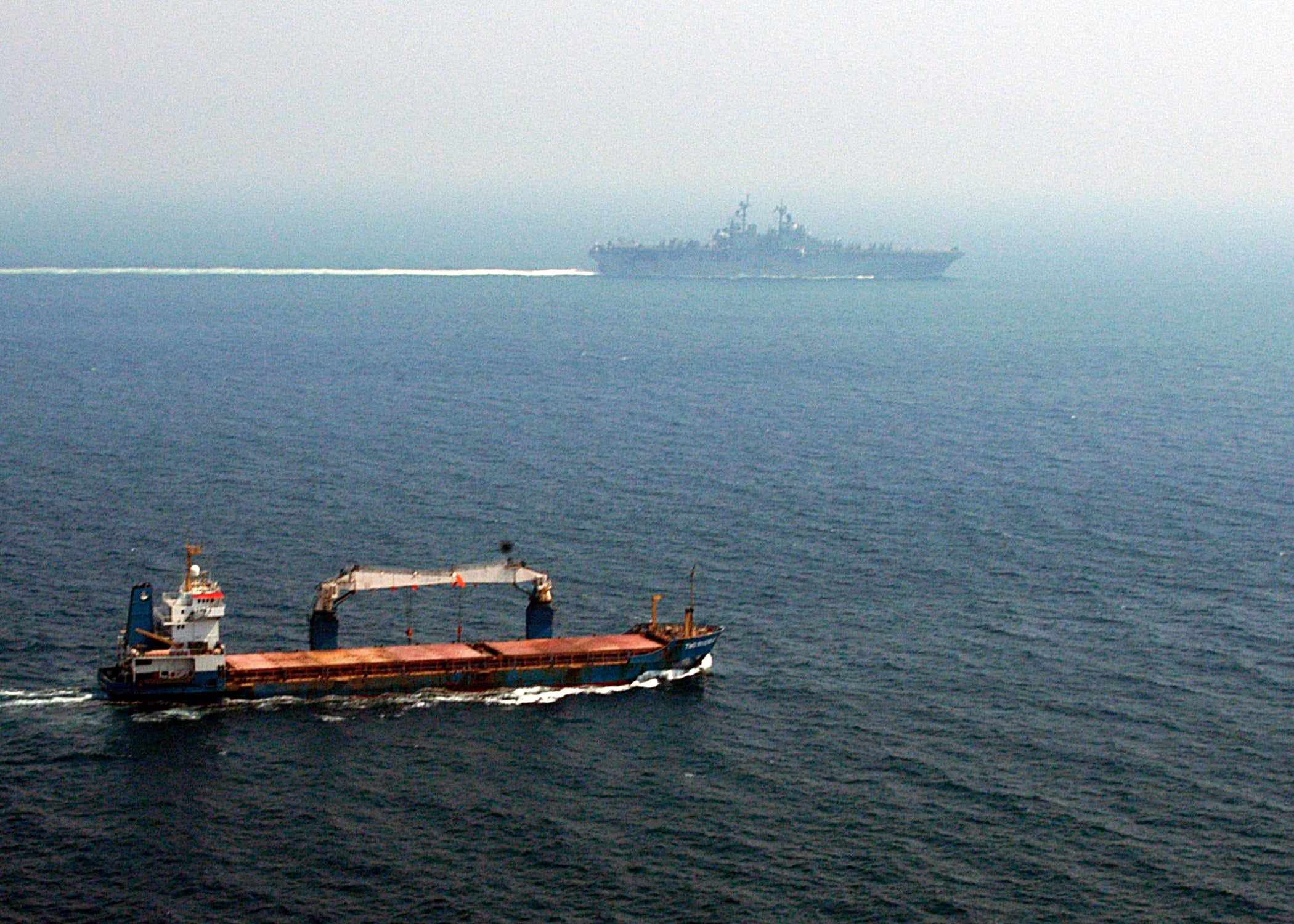
PHOTO CAPTION: A merchant ship transits the Strait of Hormuz as a U.S. Navy vessel sails in the distance, July 5, 2004. U.S. Navy photo by Photographer’s Mate 3rd Class Angel Roman-Otero / Wikimedia Commons / Public Domain.
July 30 — Oil prices edged lower in volatile trading Thursday as investors weighed continuing Oman-Iran talks over the Strait of Hormuz against escalating military tensions between the United States and Iran.
Brent crude futures were down 36 cents, or 0.40%, at $90.38 per barrel as of 1111 GMT after reaching $93.31 earlier in the session.
U.S. West Texas Intermediate crude fell 72 cents, or 0.85%, to $83.74 per barrel after touching a session high of $85.94.
“The fact that Oman is in talks with Iran could suggest that progress is being made on re-opening the Strait of Hormuz,” said Hamad Hussain, a climate and commodities economist at Capital Economics.
Talks between Iran and Oman over management of the strait were continuing, according to the Iranian Labour News Agency.
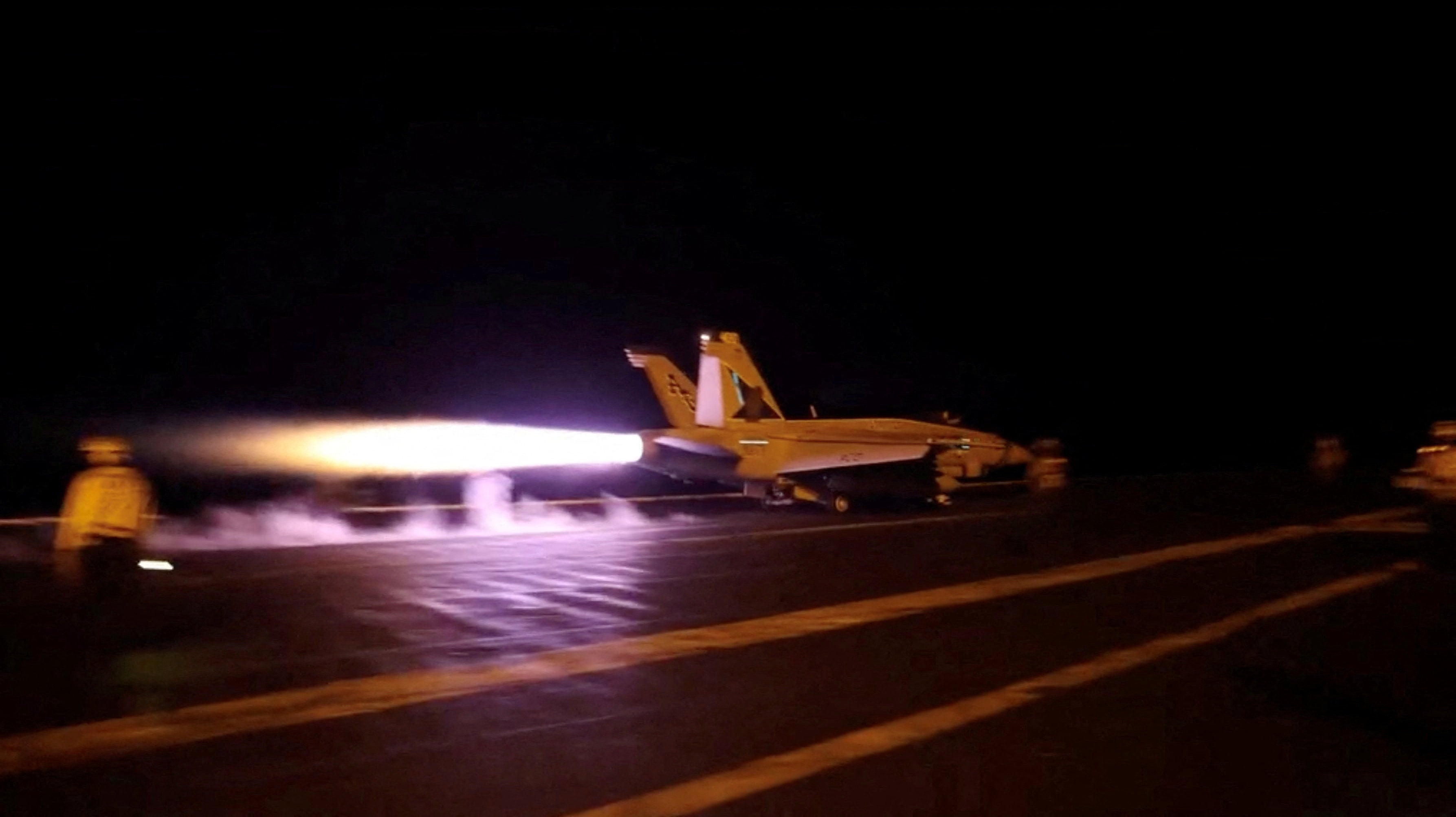
Tensions remained high after the U.S. military said it struck dozens of Islamic Revolutionary Guard Corps targets in Iran. Washington said the operation followed Iranian ballistic missile launches toward U.S. forces in the Middle East.
“Until safe passage through the Strait of Hormuz is no longer a gamble, the risk premium in oil is not going anywhere,” said Tim Waterer, chief market analyst at KCM Trade.
“Hope for diplomacy is welcome, but the market is pricing in the reality of ongoing strikes,” he added.
The Strait of Hormuz, which normally carries about one-fifth of global oil and liquefied natural gas flows, has remained a central concern for energy markets since the Iran war began on February 28.
Analysts said investors were monitoring the amount of oil moving through Hormuz and the Bab el-Mandeb strait at the southern end of the Red Sea, along with the possibility of a diplomatic breakthrough.
Iran’s Fars news agency reported that a Qatari liquefied natural gas tanker passed through an Iran-designated route in the Strait of Hormuz with Tehran’s permission.
The Al Areesh loaded its cargo at Qatar’s Ras Laffan terminal around July 4 to July 6 and sailed out of the strait overnight on July 29, according to data from Kpler and LSEG.
Other developments added to supply concerns.
Tankers scheduled to load at the Caspian Pipeline Consortium terminal were moving away from the Black Sea after a vessel was hit while loading there Thursday, according to two sources and shipping data.
A Ukrainian drone attack also caused a fire at Lukoil’s Perm refinery, damaging one crude-distillation unit and forcing it to shut down, two industry sources told Reuters.
Hussain said disruptions at several maritime chokepoints and rapidly declining oil inventories suggested prices could be even higher than their current levels.
(Source: Reuters)