Military Leaders Face Fitness Scrutiny
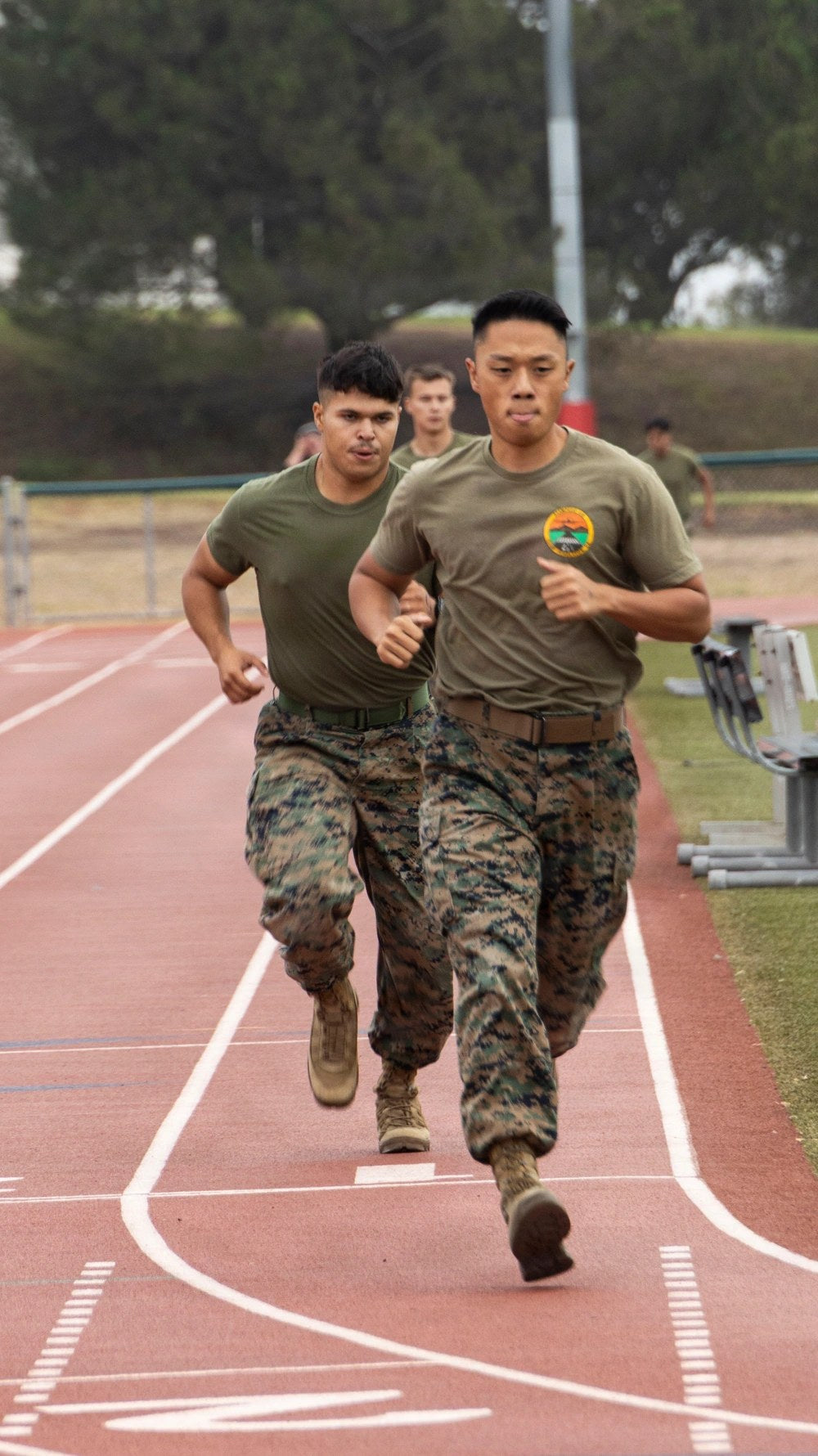
PHOTO CAPTION: U.S. Marines run during the Warrior Athlete Readiness and Resilience Challenge at Camp Pendleton, California, Sept. 23, 2026. Marine Corps Inspector General inspections can examine whether units are properly implementing fitness and body-composition programs. U.S. Marine Corps photo by Sgt. Davin Tenbusch.
Military leaders are facing increased scrutiny over whether their units are actually enforcing physical fitness and body-composition standards, with Inspector General inspections being used to examine how commands are implementing the Pentagon’s new fitness push.
The Defense Department has directed leaders at all levels to enforce fitness standards and says commanders can be held accountable when those standards are not enforced within their units.
New reporting from Task & Purpose shows how several services are putting that requirement into practice.
The Marine Corps says its Inspector General inspection program can evaluate whether units and their leaders are properly implementing physical fitness policies.
That means inspectors can look beyond whether an individual Marine passed a fitness test and examine whether the command itself is running the program correctly.
Marine Corps inspection checklists include questions about whether units take required administrative action when Marines fail fitness tests, whether personnel comply with body-composition standards and whether commands provide time for regular endurance, strength and mobility training.
Inspectors can also examine whether Marines are demonstrating the level of performance expected under the service’s fitness program.
Marine Corps spokesman Capt. Wesley Medeiros told Task & Purpose that accountability does not stop with the individual Marine.
If a unit’s fitness program fails, he said, the leader responsible for that program can also be held accountable.
The Navy is taking a similar approach.
Navy officials said physical readiness programs can be examined during Inspector General command inspections, which already review areas such as mission performance, training, facilities and quality of life.
The Navy’s existing physical-readiness checklist asks whether commands conducted required fitness assessments, whether commanding officers support the program and whether properly qualified Command Fitness Leaders are in place.
The Air Force is moving in the same direction, although it has not yet fully incorporated physical fitness into every inspection.
Air Force officials told Task & Purpose that the service is looking at adding physical fitness to Unit Effectiveness Inspections and readiness inspections because fitness directly affects individual and unit readiness.
Those inspections can examine whether a command complies with Air Force policy and whether the organization is capable of performing its mission.
The Army has not announced the same Inspector General approach.
Army officials said the service is still implementing its new fitness and body-composition requirements and has not indicated whether IG inspections will be used to evaluate them.
The Army nevertheless says commanders remain responsible for physical fitness and body-composition programs throughout their formations.
The increased command scrutiny follows Pentagon guidance directing military leaders to treat fitness as a readiness issue rather than simply an individual responsibility.
Defense Department guidance says leaders at all levels are expected to enforce fitness standards consistently and warns that standards left unenforced are not truly standards.
The policy also states that leaders can be held accountable when physical fitness and body-composition requirements are not enforced within their units.
Service members themselves still face the direct consequences of failing required standards, including remedial programs and, depending on the circumstances and service policy, administrative action.
But the emerging inspection system adds another layer of accountability.
The question for commanders is increasingly not just whether their troops passed.
Inspectors can also ask whether the unit provided appropriate training, tracked results, enforced failures and maintained a fitness program designed to keep the force ready.
For Marine leaders in particular, that means a failing fitness program can become a command problem, not just an individual Marine’s problem.
(Source: OAF Nation)