Article: Jury Rules Against SIG Sauer in P320 Case
Jury Rules Against SIG Sauer in P320 Case
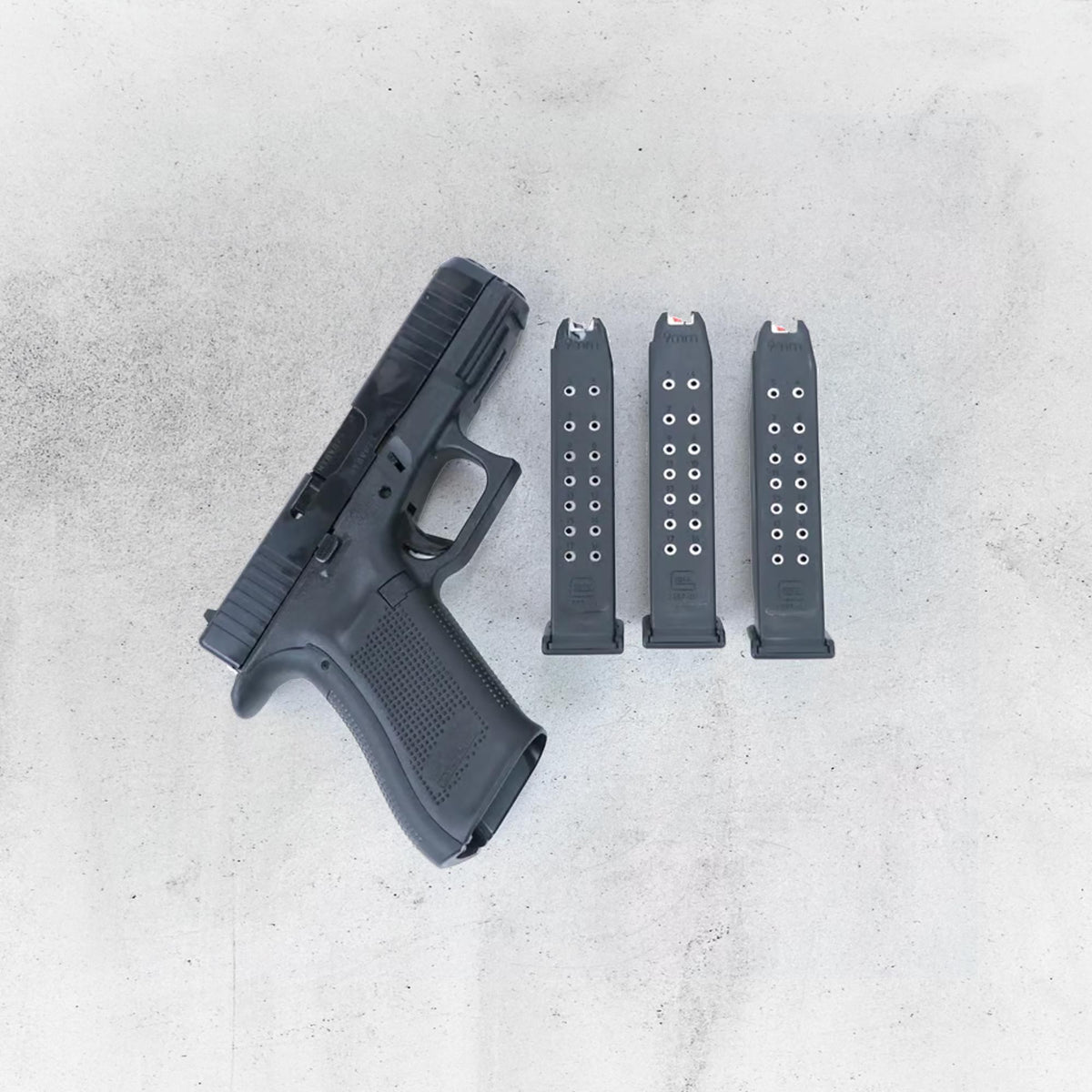
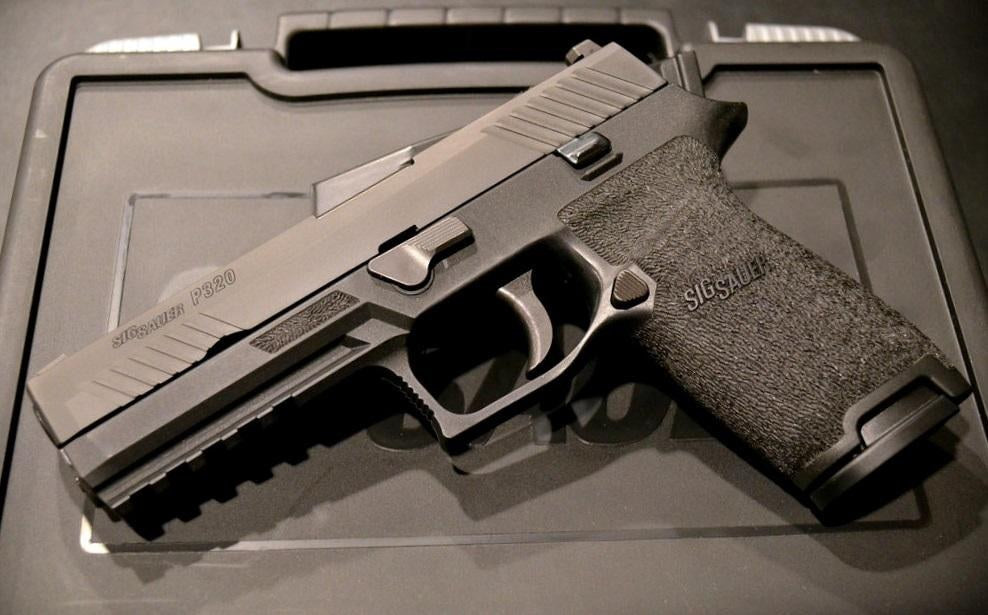
PHOTO CAPTION: A SIG Sauer P320 semiautomatic pistol photographed in December 2014. A federal jury in New York ruled against SIG Sauer on November 20, 2026, in a lawsuit brought by police officer Michael Colwell, who was injured when his department-issued P320 discharged during a training exercise in 2021. The pictured handgun is an illustrative file photograph, not the firearm involved in the incident. (Photo: TexasWarhawk / CC BY-SA 4.0.)
A federal jury in New York has ruled against SIG Sauer in another lawsuit involving its P320 pistol, finding in favor of a police officer who suffered a gunshot wound to his leg during a training exercise.
The November 20 verdict also found that punitive damages were warranted, although the amount has not yet been determined.
SIG Sauer immediately disputed the decision and announced plans to seek post-verdict relief and, if necessary, appeal.
The case adds another chapter to the ongoing legal controversy surrounding the P320, the handgun platform used in the U.S. military's M17 and M18 pistols.
But this lawsuit involves an important distinction: The officer's case focused on the pistol's lack of an external trigger safety, not a claim that its internal firing mechanism activated without a trigger pull.
A Police Training Exercise Ends in a Gunshot Wound
Michael Colwell was serving with the Troy Police Department in New York when his department-issued SIG Sauer P320 discharged during a training exercise on June 2, 2021.
The round struck his leg.
Colwell maintained that the handgun discharged while it was in his holster as he reached across his body for a training Taser.
He said his hand was not touching the pistol when it fired.
That account was disputed by other documentation, including emergency-response records indicating that the gun discharged while Colwell was still holstering it.
The cause of the trigger movement was central to the lawsuit.
Colwell's legal argument was that the pistol should have included an external safety mechanism capable of preventing an unintended trigger pull.
The Case Was About the Trigger, Not an Internal Mechanical Failure
The P320 is a striker-fired handgun available in multiple configurations.
Unlike some competing pistols, the particular P320 involved in Colwell's case did not have an external tabbed trigger safety.
Such a device is designed to prevent the trigger from moving unless the tab is depressed as part of the trigger pull.
Colwell argued that this additional safety feature could have prevented his injury.
The legal dispute was therefore different from allegations in other P320 lawsuits claiming that the firearm could discharge because of an internal mechanical defect.
During pretrial proceedings, the court restricted evidence inconsistent with the appellate court's treatment of the incident as involving an actuated trigger.
The question for jurors was whether the handgun's design lacked a safety feature that should have prevented the accidental discharge.
An Appeals Court Gave the Officer His Day Before a Jury
Colwell's case had previously been dismissed by a federal district court.
The judge concluded that the evidence presented was insufficient to establish that an alternative safety design would have prevented the shooting.
But in May 2026, the U.S. Court of Appeals for the Second Circuit reversed that ruling.
The appellate judges determined that a reasonable jury could find that an external tabbed trigger safety would have prevented the incident.
That decision did not establish SIG Sauer's liability. It allowed the case to proceed to trial.
On November 20, the jury returned a verdict in Colwell's favor.
Jurors also determined that punitive damages were warranted.
A separate proceeding is expected to determine the amount.
SIG Sauer Says the Verdict Was Wrong
SIG Sauer issued a statement the same day, strongly disagreeing with the result.
Company attorneys argued that the evidence did not establish that an external trigger safety would have prevented the shooting.
SIG Sauer also maintained that evidence indicated Colwell's finger, rather than an unidentified object, caused the trigger to move.
The company raised concerns about the evidence presented during trial, including its assertion that the actual firearm involved was not shown to jurors and that experts had examined a different firearm.
Those are SIG Sauer's objections to the verdict, not findings adopted by the jury.
The manufacturer says it intends to ask the trial court to enter judgment in its favor despite the jury's decision. If that effort fails, it plans to appeal.
The verdict therefore represents a significant legal setback for the company, but the case is not necessarily finished.
What Does This Mean for the Military's M17 and M18?
The P320 platform is particularly familiar to American service members because the Army selected it as the basis for the M17 and M18 Modular Handgun System.
Those military versions have their own specifications and safety configurations, including manual thumb safeties.
The handgun involved in Colwell's lawsuit was a police-issued P320, not a military M17 or M18.
The verdict does not establish that the military variants suffer from the same alleged design defect, nor does it order the military to stop using them.
SIG Sauer has pointed to military testing and inspections supporting the continued use of the M17 and M18.
The company also notes that it has prevailed in other P320-related cases.
Nevertheless, the civilian P320's safety design remains the subject of significant litigation.
For firearm owners, police officers, and service members familiar with the platform, the latest verdict highlights a specific dispute over how much protection a handgun should provide against unintended trigger movement.
In Colwell's case, a jury has now sided with the injured officer.
SIG Sauer intends to keep fighting that decision in court.
(Source: OAF Nation)