Iran Threatens Gulf Oil Exports
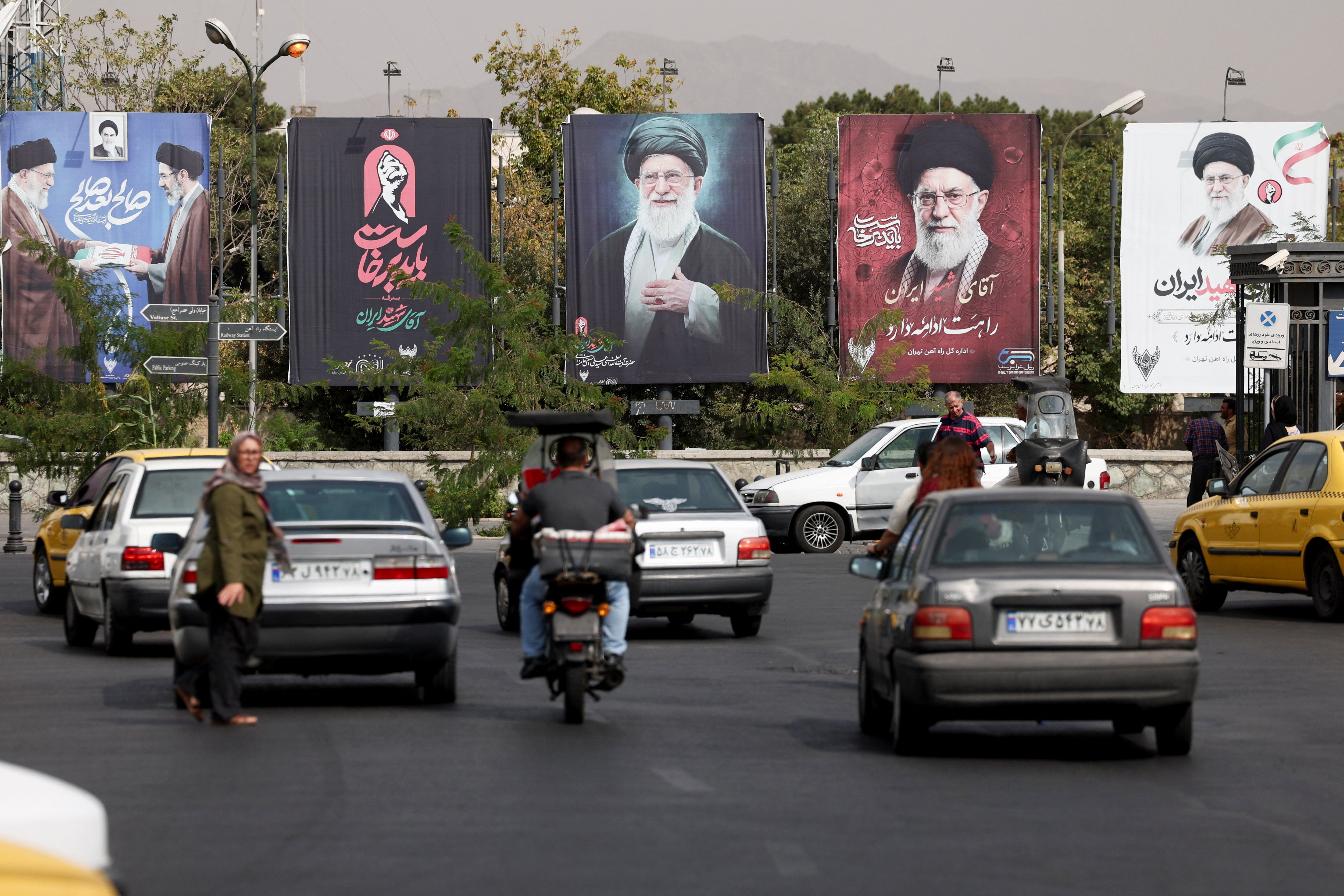
PHOTO CAPTION: Banners with pictures of the late Supreme Leader of Iran, Ayatollah Ali Khamenei, are displayed on a street in Tehran, Iran, August 22, 2026. Majid Asgaripour/WANA (West Asia News Agency) via REUTERS
LONDON, Aug. 24 — U.S. threats to impose what Washington has called “the toughest sanctions in history” after nearly six months of war have raised the prospect of another escalation in the Gulf if Iran chooses to respond militarily or economically.
Tehran has already threatened several possible courses of action, ranging from further disruption of oil shipments through the Strait of Hormuz to attacks on Gulf infrastructure and cyber operations against Western countries.
Could Iran stop more Middle East oil exports?
Mohsen Rezaei, former commander of Iran’s Revolutionary Guards and secretary of the Supreme National Security Council, has threatened to shut down oil exports from the Gulf if U.S. economic pressure continues.
“If the economic war continues, not a single drop of oil will be exported, neither through the Strait of Hormuz nor from anywhere in the Persian Gulf,” Rezaei said.
Iranian attacks and threats have already sharply reduced traffic through the Strait of Hormuz, which carried about one-fifth of global energy supplies before the war began on Feb. 28. Some oil tankers have resumed moving through the waterway in recent weeks, but volumes remain low.
On Sunday, Iran blacklisted 45 tankers that it said had failed to comply with shipping rules Tehran is seeking to impose in the strait.
Missile, drone and speedboat attacks on tankers attempting to leave the Gulf have repeatedly pushed oil prices higher during the conflict. Iran’s Houthi allies in Yemen have also restricted Red Sea shipping through attacks and threats to block Saudi Arabian vessels carrying crude toward Asia through the Bab el-Mandeb strait.
Although more than half of vessels were still getting through the Red Sea route in mid-August, shipping companies have faced increasing difficulties. Chinese shipping firms are now rerouting away from Bab el-Mandeb, according to industry sources.
Further attacks could intensify market concerns. Reuters cited a strike on a vessel near Saudi Arabia’s main Red Sea oil terminal at Yanbu on Monday and a drone attack near the Suez Canal in early August as examples of incidents that could add pressure to oil prices.
Could Gulf states face more attacks?
Iran has threatened what it called an “earthquake” response against neighboring countries that participate in U.S. efforts to choke off its economy.
During the war, Tehran has repeatedly targeted Gulf countries and Jordan, primarily striking U.S. bases but also hitting energy infrastructure and other targets.
A broader campaign against oil and gas production facilities could push energy prices higher and create longer-lasting disruptions than attacks on individual vessels.
Power generation and desalination facilities could also become targets. Such attacks would pose a serious risk to U.S.-aligned Gulf monarchies, where desalination is critical to water supplies and major cities also serve as financial centers for the global economy.
Could Iran strike Western countries directly?
Most Western countries are beyond the range of Iran’s primary missiles and other conventional weapons, but the Revolutionary Guards have historically been accused of pursuing alternative forms of attack.
Britain said Monday that Iran-linked hackers had shut down a small electricity station, while U.S. officials have said Tehran was likely responsible for cyberattacks against water facilities in Minnesota. Iran has not commented on those allegations.
Western security agencies have also accused Iran of recruiting local operatives to carry out attacks or assassination attempts in Western countries. Tehran has denied those accusations.
The options available to Iran therefore extend beyond direct military attacks in the Gulf. Further shipping disruptions, strikes against regional infrastructure and alleged cyber or covert operations could all offer Tehran ways to increase pressure if diplomacy fails and Washington proceeds with harsher economic measures.
(Source: Reuters)