Iran Suspected in U.S. Base Cyberattacks
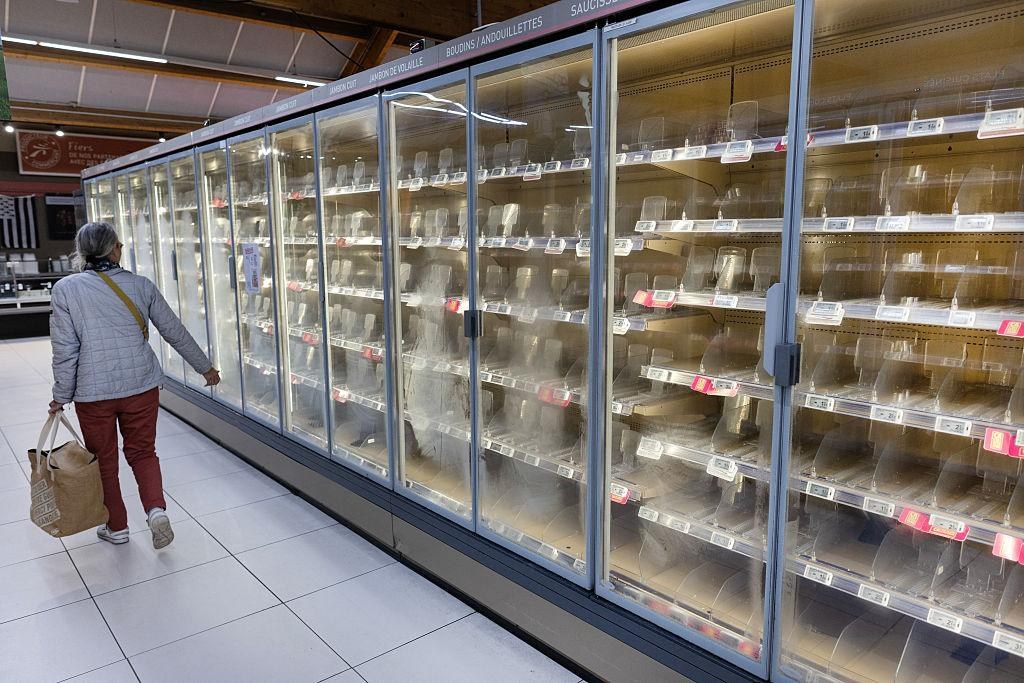
PHOTO CAPTION: A shopper passes empty refrigerated shelves at an Intermarché supermarket in Névez, France, on October 12, 2026, after a cyberattack disrupted temperature-control systems. French investigators now suspect Iranian state-backed hackers were responsible for the attack, while the Pentagon is investigating similar refrigeration failures at U.S. military commissaries in August. No connection between the incidents has been confirmed. (Photo: Fred Tanneau/AFP.)
Iran is under suspicion in a series of unusual refrigeration incidents that have disrupted U.S. military commissaries, destroyed food at European supermarkets, and forced French blood banks to move supplies into unaffected storage units.
A November 9 Reuters investigation revealed that French officials suspect Iranian state-backed hackers were responsible for an October cyberattack that manipulated refrigeration temperatures at hundreds of businesses across France.
Pentagon investigators are also considering Iran a suspect in mysterious freezer failures that struck at least six U.S. military commissaries in August.
The investigations have not established that the incidents were connected, and neither country has publicly identified a perpetrator with certainty.
But the disruptions expose an unexpected vulnerability: computer-controlled refrigeration systems used to preserve food and medical supplies can become targets of cyberattacks.
Military Commissary Freezers Suddenly Switched to Defrost Mode
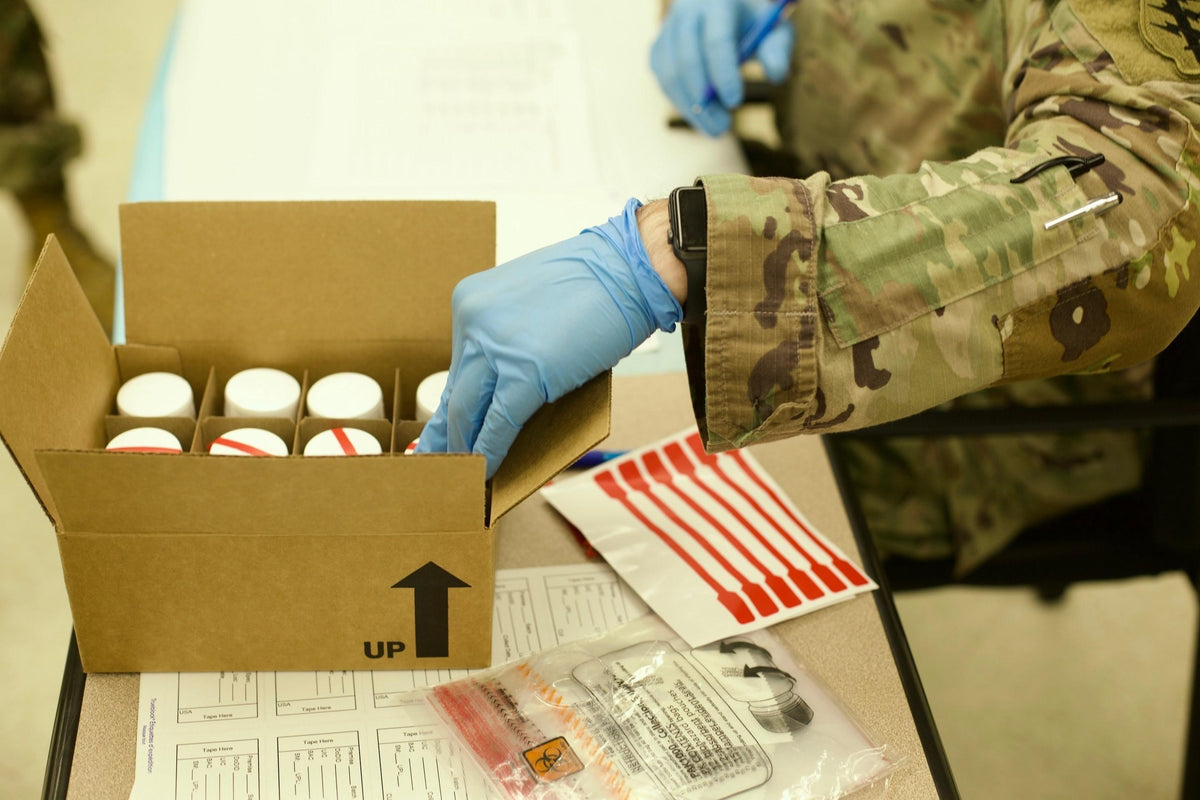
The American incidents began in August, when refrigeration equipment malfunctioned at multiple commissaries, the grocery stores operated for service members, retirees and their families.
At Fort Huachuca, Arizona, the installation's commissary reported an overnight equipment failure that caused its freezers to switch into defrost mode.
The resulting temperature increase spoiled food.
An official installation social media account clarified that the problem was not a power outage. The refrigeration equipment itself had malfunctioned, leaving previously frozen products unusable.
Similar disruptions were reported at Fort Irwin, California, home of the Army's National Training Center.
There, technicians worked to repair refrigeration equipment and restore safe temperatures before restocking.
Some military families found refrigerated and frozen food sections emptied or inaccessible.
Ashley Upshaw, a military spouse at Fort Irwin, told NPR that residents learned about the shortages through social media and military spouse groups.
For families at remote installations, the consequences were more than an inconvenience.
Upshaw said some residents had to drive more than 40 minutes to reach another grocery store, purchase alternative food supplies or rely on neighbors.
The Pentagon initially provided little public information about the cause of the failures.
Investigators are now treating the incidents as a possible cyberattack rather than assuming they were unrelated equipment breakdowns.
Pentagon Investigators Are Considering Iran
Reuters reported that military investigators have been coordinating with French authorities over the refrigeration incidents.
The Defense Criminal Investigative Service and Army Criminal Investigation Division's Cyber Field Office have been involved in the investigation, according to reporting by NPR.
On November 9, Reuters reported that a person familiar with the investigation said the Pentagon considers Iran a suspect in the August commissary disruptions.
That suspicion does not establish Iranian responsibility.
Investigators have not publicly released forensic evidence identifying the attackers, described the precise intrusion method, or confirmed that every affected military installation experienced the same underlying problem.
In a statement Monday, the Pentagon said it was aware of speculation surrounding a potential cyber incident but could not provide additional details for security reasons.
The investigation remains ongoing.
Hackers Turned French Supermarket Refrigerators Into Heat Sources
The American commissary failures preceded a much larger confirmed cyberattack in France.
On October 11, hackers manipulated connected refrigeration controls across hundreds of commercial establishments.
Instead of keeping meat, dairy products and other perishables cold, some systems were remotely forced into abnormal operating conditions.
Refrigeration temperatures rose, food spoiled and businesses had to discard large quantities of merchandise.
Reuters reported that some affected units became so hot they caught fire.
Supermarket employees were left removing spoiled meat, melted frozen products and other ruined inventory.
One French supermarket owner estimated the nationwide financial damage could reach tens of millions of euros, although a verified national loss total has not been established.
The incident affected multiple French retail chains and raised concerns about the security of refrigeration equipment connected to remote monitoring systems.
French investigators now suspect Iranian state-backed hackers were responsible.
Reuters based its November 9 report on two people familiar with the investigation, but could not independently determine how French authorities reached that assessment.
Iran has not accepted responsibility, and its representatives did not respond to Reuters' request for comment.
New Attacks Reached European Blood Banks
The refrigeration problems did not end with the October incidents.
A second wave of cyberattacks struck more than 100 establishments across Europe in early November.
The targets included commercial refrigeration systems in several countries and cold-storage equipment used by French blood banks.
France's health ministry confirmed that refrigeration monitoring and control systems at three regional French Blood Establishment facilities were affected.
Employees received alerts and transferred blood products to unaffected refrigeration units.
The French Blood Establishment said the incident did not disrupt the blood supply.
The precautionary transfers prevented the attacks from becoming a confirmed loss of blood products.
Nevertheless, the incident demonstrated how the same type of equipment targeted at grocery stores is also used in medical operations where maintaining safe temperatures is essential.
A refrigeration failure at a supermarket can destroy inventory. A failure involving medical blood products could potentially make supplies unusable if temperatures move outside required storage limits.
French authorities said the situation was under control by November 4, while investigations continued.
Old Equipment May Have Created an Opening
Cybersecurity experts have identified weaknesses in the types of refrigeration controllers used by businesses and institutions.
Unlike ordinary household refrigerators, large commercial systems often use network-connected controllers that allow technicians to monitor temperatures, change settings and manage equipment remotely.
These systems can reduce operating costs and help prevent failures, but they also create potential paths for attackers if remote access is inadequately secured.
NPR found that some U.S. military commissaries use Danfoss refrigeration control systems, including older models that may no longer receive software security updates.
Similar equipment has been identified in investigations of the French incidents.
That overlap has attracted investigators' attention, but it does not prove the attacks were carried out by the same hackers or even exploited the same vulnerability.
Security researchers have warned that outdated firmware, exposed internet connections and weak access controls can allow unauthorized users to interfere with industrial equipment.
The consequences extend beyond stolen data.
An attacker who gains control of temperature settings can potentially spoil food, damage refrigeration components or interrupt essential services.
Cyberwarfare Is Reaching Everyday Military Services
The investigations come during the continuing conflict between the United States and Iran, which began in February 2026.
Cyber incidents associated with the conflict have reportedly affected infrastructure far removed from traditional military targets, including water treatment equipment, transportation systems and commercial operations.
The commissary incidents are particularly relevant to military families because they illustrate how disruptions to support services can affect daily life on installations.
A commissary is not a weapons system or military command network. It is a grocery store where families purchase food.
Yet the technology operating its refrigerators may share vulnerabilities with systems used by civilian retailers and medical facilities.
The Pentagon has not confirmed Iranian responsibility for the commissary disruptions.
French investigators have not publicly presented conclusive evidence connecting their refrigeration attacks to the American cases.
What is established is that military grocery stores experienced unusual freezer failures, European refrigeration systems were deliberately compromised, and blood banks had to move supplies to protect them.
Whether investigators ultimately trace these incidents to one campaign or several unrelated operations remains unresolved.
The broader security concern is already apparent: technology that keeps food and medical supplies cold has become another potential point of vulnerability in an increasingly connected world.
(Source: OAF Nation)