Gulf States Seek China's Help
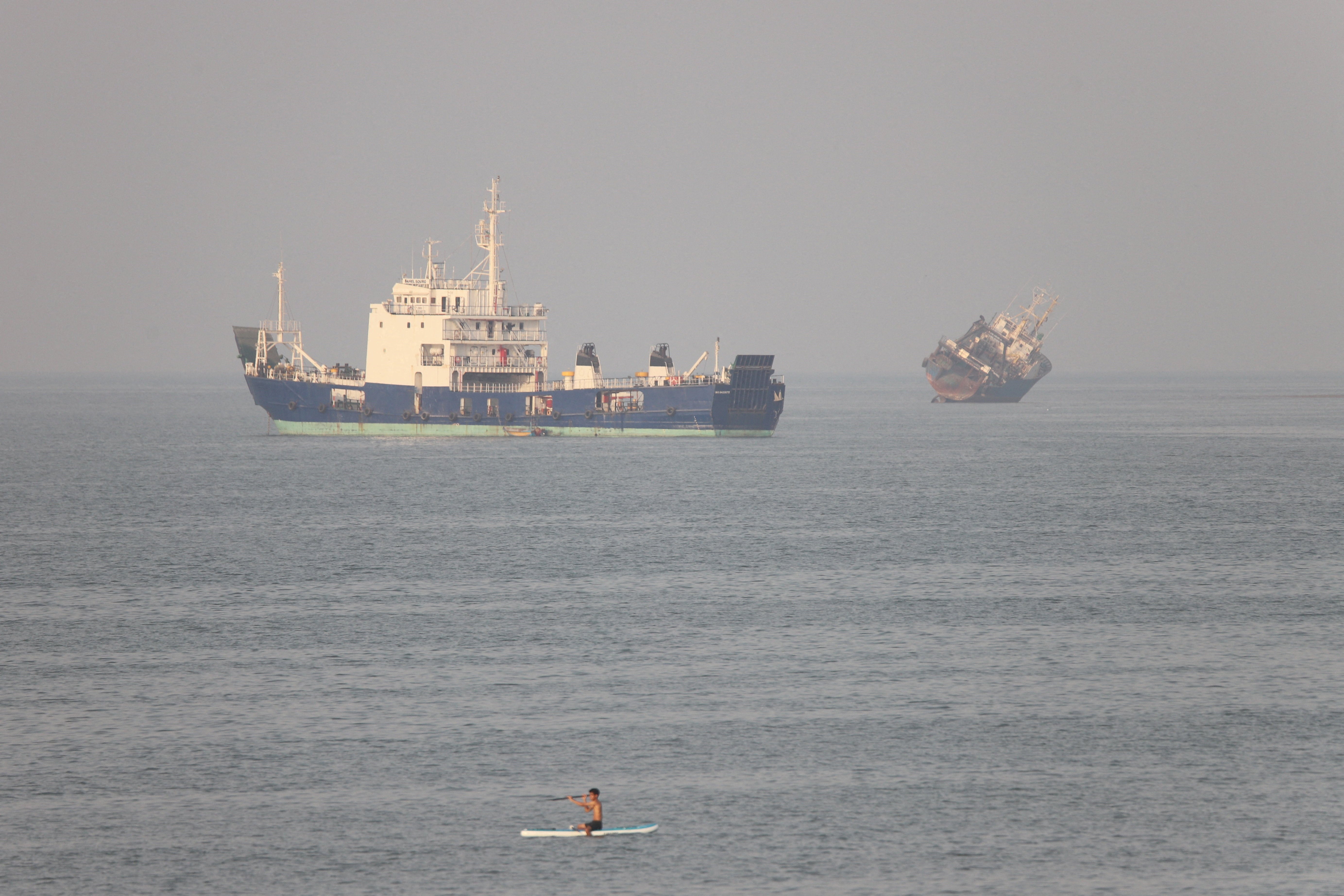
PHOTO CAPTION: FILE PHOTO: Vessels in the Strait of Hormuz near the beach of Bandar Abbas, Iran, June 21, 2026. Amirhosein Khorgooi/ISNA/via WANA (West Asia News Agency)via REUTERS/File Photo
BEIRUT/RIYADH, July 30 — Gulf Arab states are looking to China to use its economic influence over Iran to help restore shipping through the Strait of Hormuz and the Red Sea, regional sources said, testing how far Beijing is willing and able to pressure Tehran.
The push reflects growing Gulf frustration as the war that began with U.S.-Israeli attacks on Iran on February 28 continues to disrupt energy exports and expose countries across the region to attacks.
Iran and its allies have threatened shipping through both the Strait of Hormuz and the Bab el-Mandeb waterway at the southern end of the Red Sea.
Three regional sources said Gulf governments have sought Beijing’s help because the conflict has exposed what they view as the limits of U.S. influence.
Chinese Foreign Minister Wang Yi has held dozens of calls and meetings with counterparts while seeking a new ceasefire. China’s special Middle East envoy, Zhai Jun, has also held talks in Gulf Arab capitals and Iran.
“China has maintained close communication with all parties, and has consistently worked to stop the fighting and promote peace,” China’s Foreign Ministry said.
China is a major buyer of oil from Gulf countries and Iran’s largest trading partner, giving it potential economic leverage while also requiring it to balance competing relationships.
One Gulf source said regional governments raise sensitive issues with Beijing quietly because of their close economic ties.
Iran has said it intends to maintain control over the Strait of Hormuz, arguing that it was attacked while negotiations over its nuclear program were underway.
The United States and Israel have said they intend to destroy Iran’s nuclear program.
Gulf governments ultimately hope China can steer Tehran toward a negotiated settlement, the source said. However, they recognize that Beijing typically acts slowly and cautiously and that a prolonged conflict could increase pressure on the United States, potentially serving China’s wider strategic interests.
Gulf states question the limits of Chinese influence
China has expanded trade and investment ties with the six members of the Gulf Cooperation Council — Bahrain, Kuwait, Oman, Qatar, Saudi Arabia and the United Arab Emirates — since a Gulf-China summit in 2022.
Another summit is planned for Riyadh this year but has not been confirmed.
Beijing has not publicly challenged Iran’s threats to shipping, raising doubts about how far it is prepared to go to protect Gulf exports.
“The Chinese are trying to be more involved, they are trying to be more helpful,” a second Gulf source said.
“But China has turned out not to be as influential as we thought — whether that is a lack of will or a lack of capacity is debatable.”
The source said broader superpower considerations began to dominate once the United States became directly involved in the conflict.
Henry Tugendhat, a China specialist at the Washington Institute, said Beijing’s primary goal is preserving relationships across the region rather than risking diplomatic damage by openly siding with either Iran or the Gulf states.
A source with direct knowledge of China’s discussions said Gulf governments can purchase Chinese technology, investments and drones, but cannot separate Beijing’s regional influence from its broader relationship and rivalry with Washington.
Chinese President Xi Jinping is expected to meet President Donald Trump in the United States on September 24.
China’s Foreign Ministry said Xi has proposed a four-point plan intended to promote peace and stability in the Middle East while supporting regional development, security and cooperation.
Beijing balances diplomacy and economic interests
China has used its economic relationships to increase its diplomatic role in the Middle East.
In 2023, Beijing brokered a diplomatic rapprochement between Saudi Arabia and Iran. The current conflict is testing the durability of that agreement and China’s ability to influence Tehran.
Three Pakistani sources told Reuters last week that China was pressing Pakistan to mediate between Washington and Tehran in an effort to restart peace talks.
China’s Foreign Ministry said Beijing would continue to play an active role in restoring peace in the Gulf region.
China has also held direct talks with Yemen’s Iran-aligned Houthi movement to protect Chinese tankers traveling through the southern Red Sea, six sources familiar with the discussions said.
The Houthis had pledged to block access to Saudi ports.
China’s Transport Ministry did not respond to a request for comment.
Anna Borshchevskaya, a senior fellow at the Washington Institute, said limited agreements protecting Chinese-linked shipping were the clearest result of Beijing’s diplomatic activity so far.
Beyond those arrangements, she said, it was difficult to identify what else China had been willing or able to accomplish.
Borshchevskaya said the conflict has allowed China to protect its interests while rising energy prices increase political pressure on U.S. and European leaders.
China has also benefited from discounted Iranian oil caused by international sanctions.
Over time, Beijing has supported Iranian security capabilities through dual-use components, semiconductor equipment and satellite-navigation systems, while stopping short of openly supplying military assistance since the war began.
China has repeatedly denied reports that it provided Iran with semiconductor equipment, intelligence support or defense systems during the conflict.
Beijing has said its position is transparent and that it has not sought to intensify the war.
China avoids Gulf security commitments
Analysts said China’s response reflects its longstanding reluctance to accept binding security obligations far from its main strategic interests in East Asia.
Unlike the United States, whose regional alliances include mutual-defense commitments, China generally favors partnerships based on trade, investment and arms sales.
More direct Chinese military involvement has largely remained limited to areas closer to China.
The source familiar with Beijing’s discussions said China’s arrangement with the Houthis has mostly protected Chinese-linked ships but has not produced broader pressure to halt attacks on other vessels.
The source said the approach resembled China’s response to Houthi attacks on commercial shipping in 2023 and 2024.
China has no defense commitments in the Gulf, no military mandate to protect regional waterways and little interest in assuming either responsibility, the source said.
Beijing has said it is not prepared to use military force to reopen the Strait of Hormuz and does not believe other countries can successfully do so.
China has instead called for diplomacy, dialogue and the protection of safe and unrestricted international shipping.
(Source: Reuters)