France, Germany increase cooperation on joint nuclear deterrence
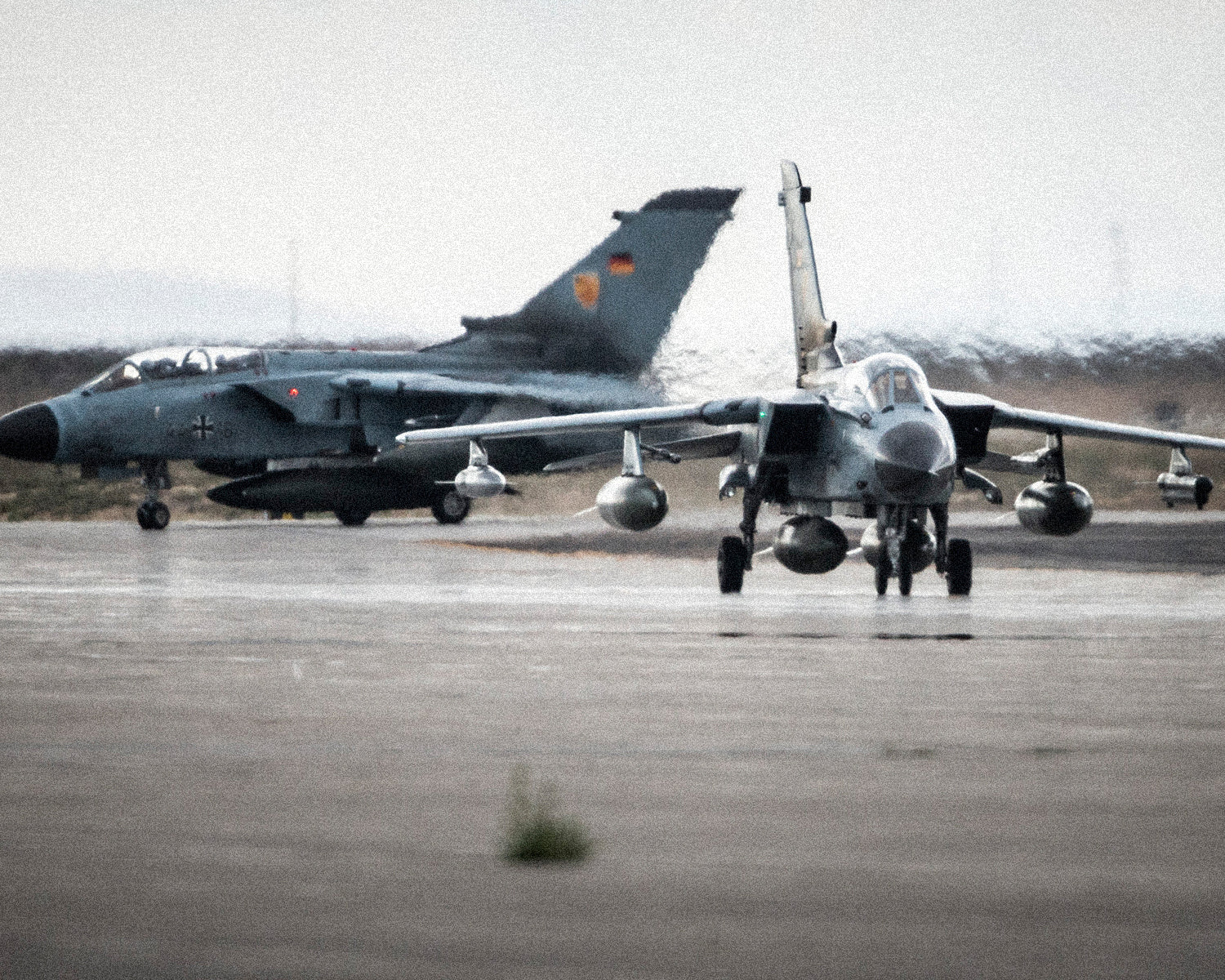
PHOTO CAPTION: Illustrative photo — German Air Force AG-51 Tornadoes arrive at Mountain Home Air Force Base, Idaho, Sept. 30, 2013. (U.S. Air Force photo by Samuel Morse via U.S. Defense Visual Information Distribution Service (DVIDS))
BERLIN/PARIS - France and Germany announced plans on Monday to deepen cooperation on nuclear deterrence, marking a significant shift in European defence policy as the continent faces rising threats from Russia and instability linked to the Iran conflict.
The countries will set up a high-level steering group to align strategy, according to a joint statement. Germany will join French nuclear exercises and inspections of strategic sites, while both aim to strengthen conventional and missile defence capabilities with other European partners.
"In response to the evolving threat landscape," the statement read, France and Germany have agreed to pursue "closer cooperation in the field of deterrence."
The initiative reflects Europe's push to reduce reliance on the U.S. nuclear umbrella, long central to regional security, after Russia's invasion of Ukraine exposed gaps in Europe's defences.
Tensions have climbed further as drone and missile attacks tied to the conflict in Iran have reached Europe's periphery, including a strike by an Iranian‑made Shahed drone on a British air base in Cyprus, causing limited damage but heightening concern.
The Iran conflict has also underscored Europe's secondary role in U.S. and Israeli decision-making. German Chancellor Friedrich Merz is travelling to Washington to meet U.S. President Donald Trump, seeking reassurances and emphasising Europe's commitment to NATO.

BALANCING GERMAN SENSITIVITIES AND HISTORICAL CONSTRAINTS
The Paris‑Berlin partnership poses challenges for Germany, which is barred from developing nuclear weapons under the Two Plus Four Treaty and the Nuclear Non‑Proliferation Treaty. Public opinion remains divided on nuclear issues, complicating policy choices.
While Germany has traditionally relied on U.S. support, Merz has recently said Europe must prepare for strategic independence if necessary.
Separately, French President Emmanuel Macron, speaking Monday at a submarine base in Brittany, announced plans to expand France's nuclear arsenal and involve European allies in exercises. Decisions on French nuclear strikes will remain solely with the French presidency, Macron said.
Poland meanwhile said it is exploring advanced nuclear deterrence cooperation with France and other European partners. "We are arming up together with our friends so that our enemies will never dare to attack us," Prime Minister Donald Tusk said on X.
(Reporting by Kirsti Knolle, Friederike Heine, Linda Pasquini; Editing by Ros Russell // REUTERS)