757 U.S. Troops Wounded in Iran Operations
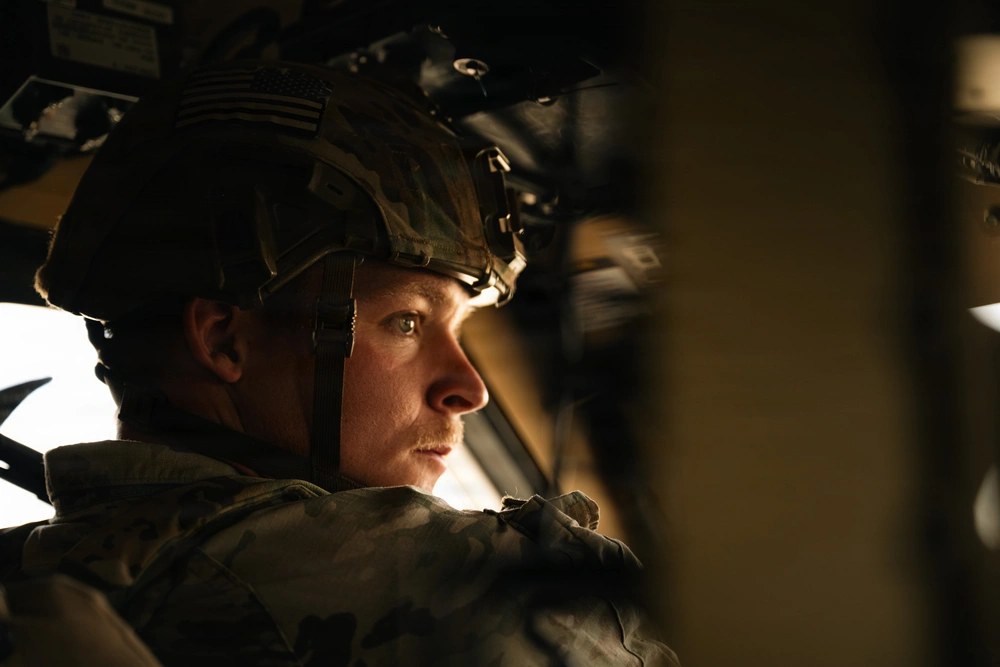
PHOTO CAPTION: A U.S. Army Soldier supports Operation Epic Fury in the U.S. Central Command area of responsibility in March 2026. U.S. Army photo/U.S. Central Command
More than 750 U.S. service members have been wounded during military operations against Iran since fighting began in late February, according to the latest Pentagon casualty data.
The Defense Department now lists 757 wounded service members, with Army personnel accounting for the largest share. More than 580 of the wounded are soldiers, along with 86 sailors, 64 airmen and 19 Marines.
Military officials have said the vast majority of injuries sustained during the conflict have been traumatic brain injuries, including concussions caused by missile and drone attacks on U.S. forces in the Middle East. The Pentagon has not released a detailed injury-by-injury accounting of all 757 wounded troops.
The growing casualty total spans two Pentagon reporting categories. Many of the wounded were initially recorded under Operation Epic Fury, the campaign that began Feb. 28, while more recent casualties have been placed under a new Defense Casualty Analysis System category called “Overseas Operations.”
The Pentagon said the new category was created after Operation Epic Fury formally concluded, even though U.S. military operations and strikes connected to the Iran conflict continued. That change has made the overall casualty toll less obvious because the wounded are now divided across separate tables.
Public Pentagon data from earlier in the conflict showed 413 service members wounded during Operation Epic Fury by July, including 277 soldiers, 65 sailors, 52 airmen and 19 Marines. A separate Overseas Operations table subsequently began recording casualties occurring after July 7.
The Defense Department and U.S. Central Command have provided relatively little public detail about where many of the more recent injuries occurred, what attacks caused them or the full extent of damage sustained at U.S. installations.
Traumatic brain injuries have emerged as one of the defining injuries of the conflict. Earlier this month, military officials said most of the nearly 700 troops wounded at that point had suffered TBIs, many after Iranian drone and missile attacks against American bases.
Pentagon spokesman Sean Parnell previously described the vast majority of injuries during one recent two-week period as minor concussions and said 96% of the affected troops had returned to duty. Military medical experts caution, however, that an injury classified as a mild TBI does not necessarily mean every service member will recover without lasting effects.
Concussions can resolve within weeks, but some patients experience persistent headaches, dizziness, memory problems, difficulty concentrating and other symptoms. Repeated blast exposure can also increase concerns about longer-term neurological effects.
The number of wounded troops has climbed substantially since the opening weeks of the war. Reuters reported March 10 that Pentagon officials were then estimating roughly 140 U.S. personnel had been wounded during the first 10 days of fighting.
By early August, the publicly reported total was approaching 700. The latest Pentagon figures push the number to 757, with Army personnel accounting for more than three-quarters of those wounded.
The casualty figures could continue to change as additional injuries are identified, troops are evaluated after blast exposure and the Defense Department updates its casualty database.
(Source: OAF Nation)